In a city like Chennai, real estate growth follows a clear and consistent pattern. Locations do not become residential hotspots overnight. They evolve over time through a combination of infrastructure development, employment expansion, and planned urban growth.
Areas that were once considered peripheral gradually become part of the city’s mainstream residential landscape. This transition happens when accessibility improves, economic activity increases, and organised development begins to take shape. These are the factors that define a future-ready location. This shift is now clearly visible in the property trend in Chennai –

What Defines a Future-Ready Location
A future-ready location is supported by a set of measurable and practical factors. These indicators help assess whether a locality can sustain growth over time.
-
Infrastructure is the primary driver. Road networks, highways, and transport systems improve accessibility and reduce travel time. This directly increases the usability of a location.
-
Employment hubs are equally important. Areas located near industrial zones, IT parks, or manufacturing corridors attract a steady working population. This creates consistent demand for housing.
-
Planned development plays a key role in shaping long term livability. Locations that expand in a structured manner tend to offer better road layouts, organised residential zones, and open spaces.
-
Social infrastructure completes the ecosystem. Schools, hospitals, and retail centres ensure that residents have access to essential services without relying on distant parts of the city.
When these elements come together, a locality begins to transition into a strong residential destination.
The Shift Towards Developing Localities
Established areas in Chennai continue to remain relevant, but they also come with higher entry costs and limited availability. This has led to a gradual shift in buyer preference towards apartment options in developing localities. Areas offer better value at the time of purchase and provide the potential for long term appreciation. As infrastructure develops and demand increases, these locations gradually evolve into established residential zones.
This trend is shaping the current property trend in Chennai. Buyers are not only evaluating present conditions but are also considering the future growth potential of a location.
As a result, emerging corridors across the city are gaining steady attention.
Infrastructure as the Foundation of Growth
Infrastructure development is one of the strongest indicators of future readiness.
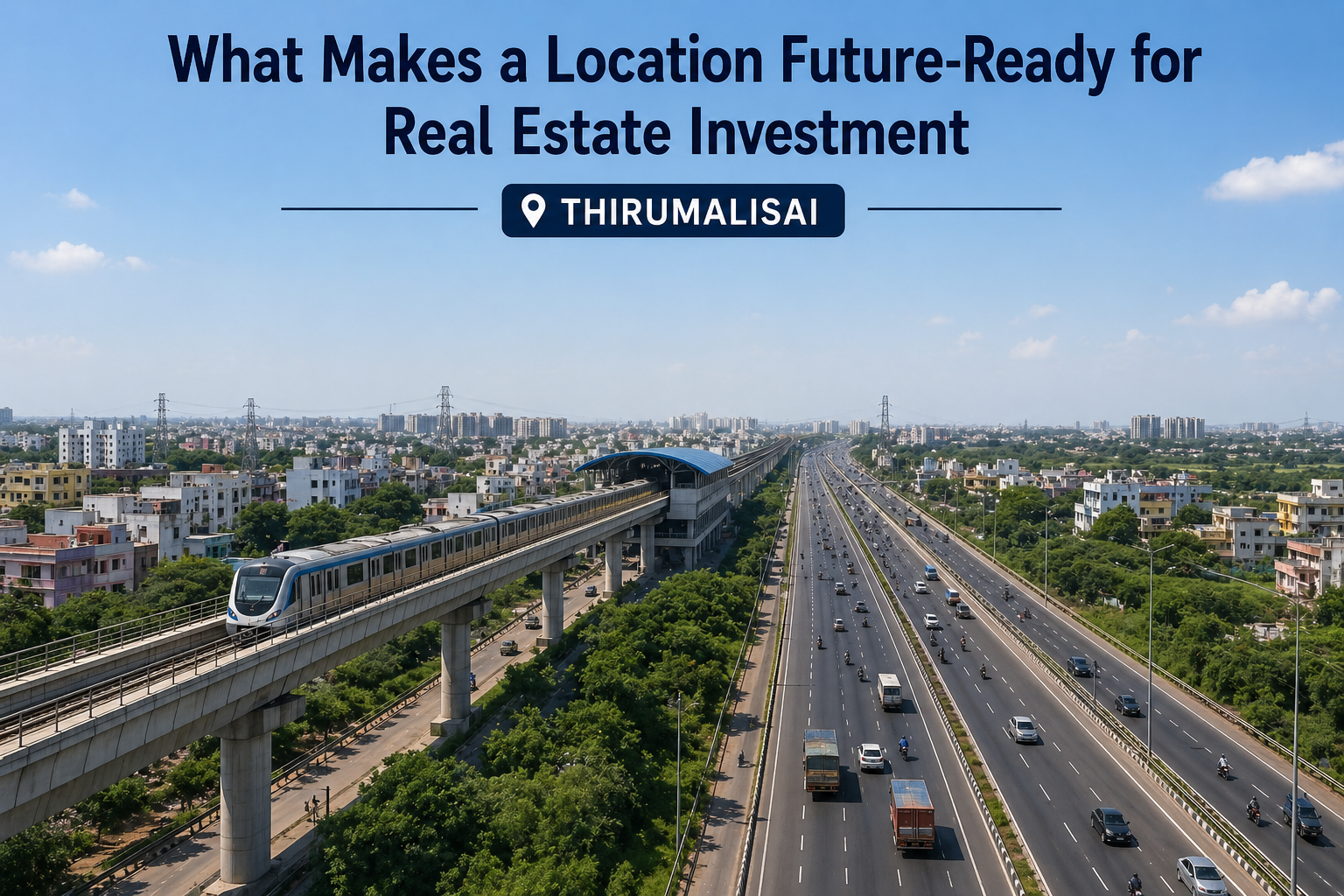
Across Chennai, expansion of arterial roads and highways has improved connectivity between different parts of the city. Key transport corridors are reducing travel time and opening up new residential pockets.
For instance, access to routes such as the Chennai-Bangalore Highway (NH48) and the Outer Ring Road Chennai has strengthened connectivity in the western corridor. So localities like Thirumazhisai make it easier for residents to commute to work and access essential services. Over time, this leads to increased residential demand in these areas.
Employment Corridors Driving Residential Demand
Employment hubs are one of the most direct drivers of real estate demand.
When industries, IT parks, or manufacturing units are established in a region, they attract a large workforce. This workforce creates immediate housing demand in surrounding areas.
Professionals prefer to live closer to their workplace to reduce commute time and improve daily convenience. This leads to the development of residential projects near employment zones.
In Chennai, the expansion of industrial corridors in the western region is creating such demand patterns. As more companies establish operations, nearby residential localities begin to grow in relevance.
Planned Development and Long Term Livability
Planned development is an important factor that differentiates emerging locations from older, congested areas.
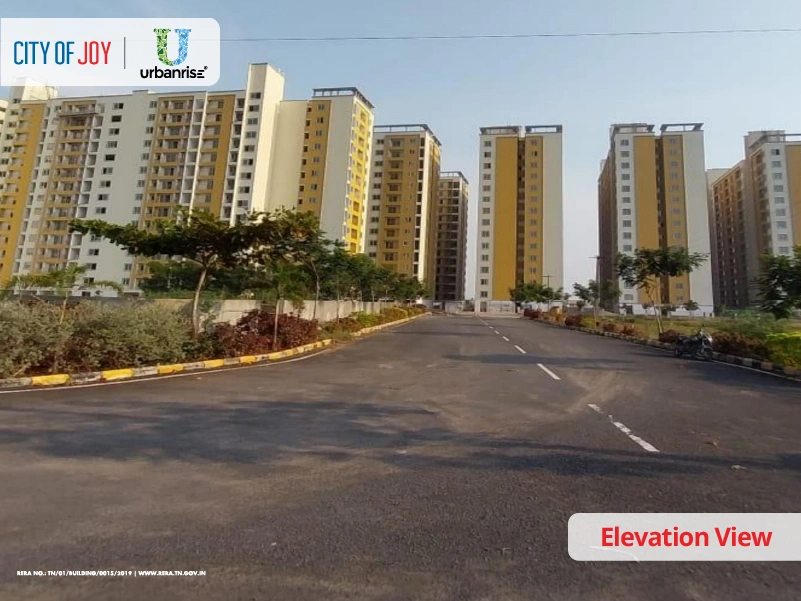
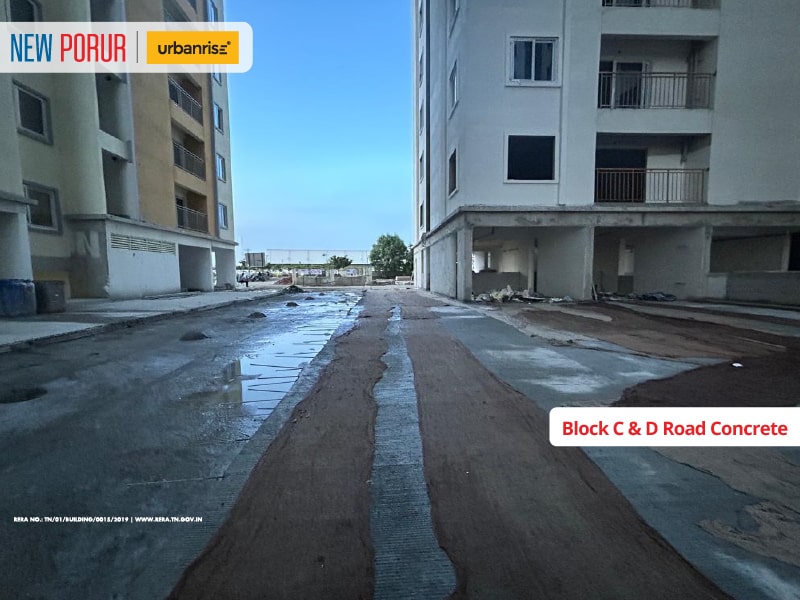
In developing corridors, land parcels are more organised. Roads are wider, and residential layouts are designed to accommodate future growth. This creates a more balanced and structured environment. Such planning ensures that the locality remains functional and comfortable even as population density increases.
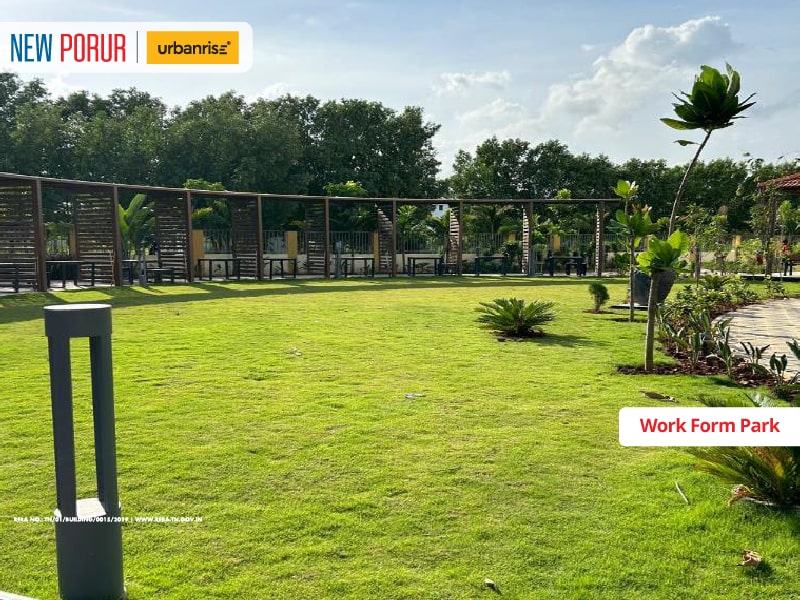
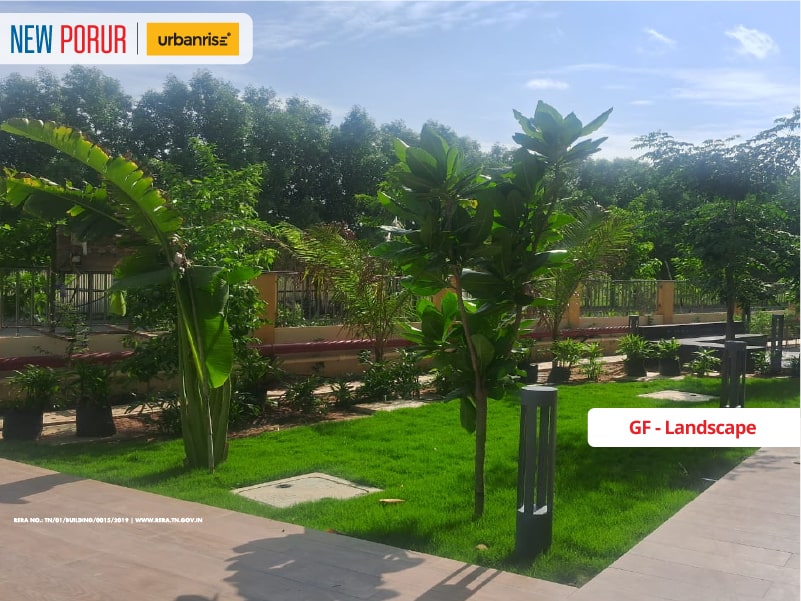
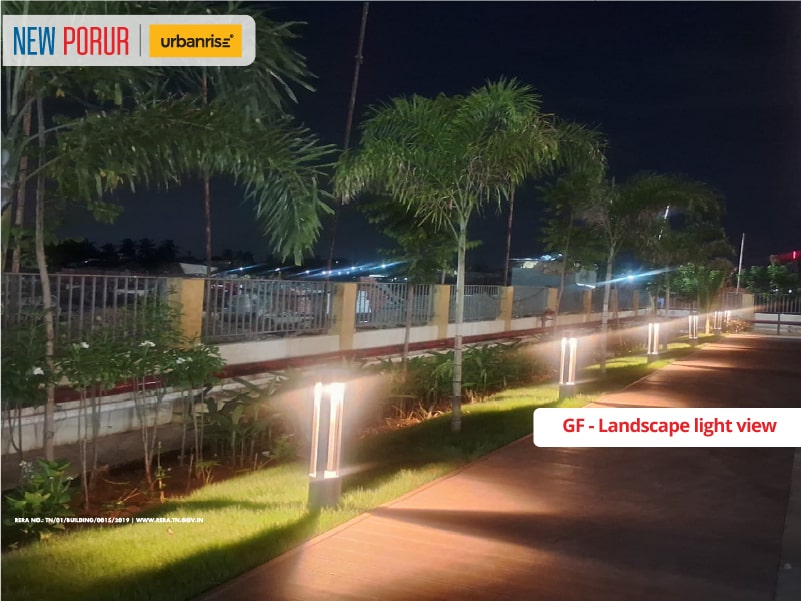
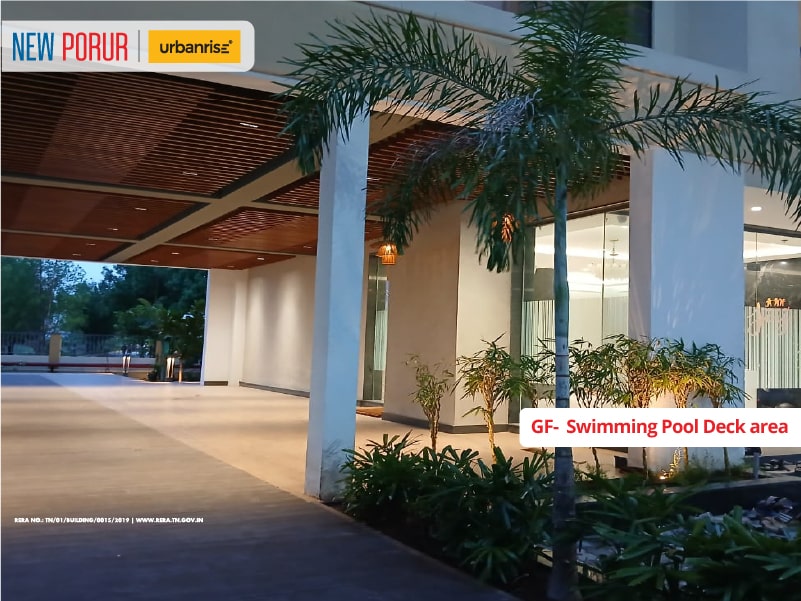
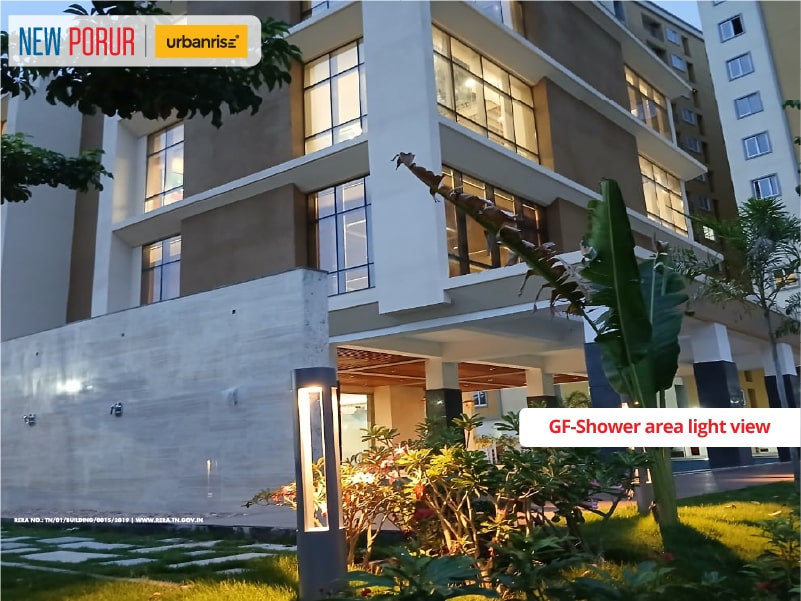
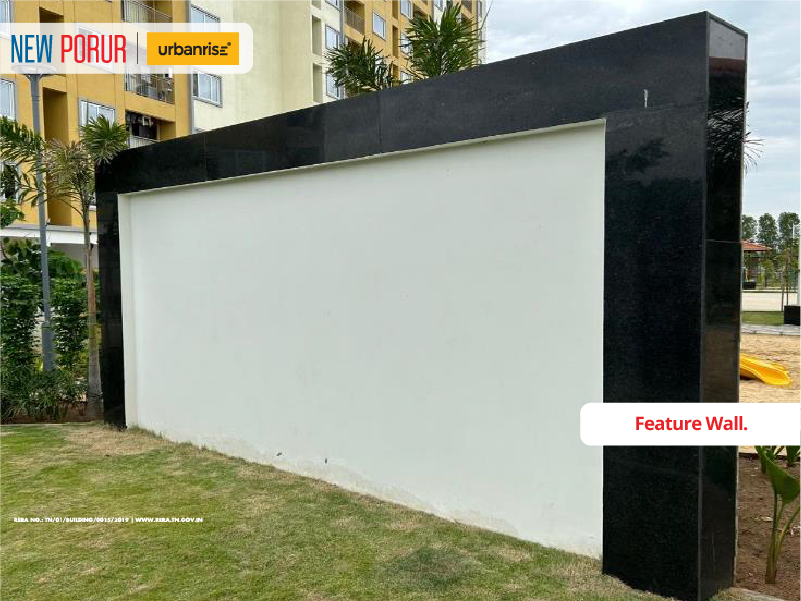
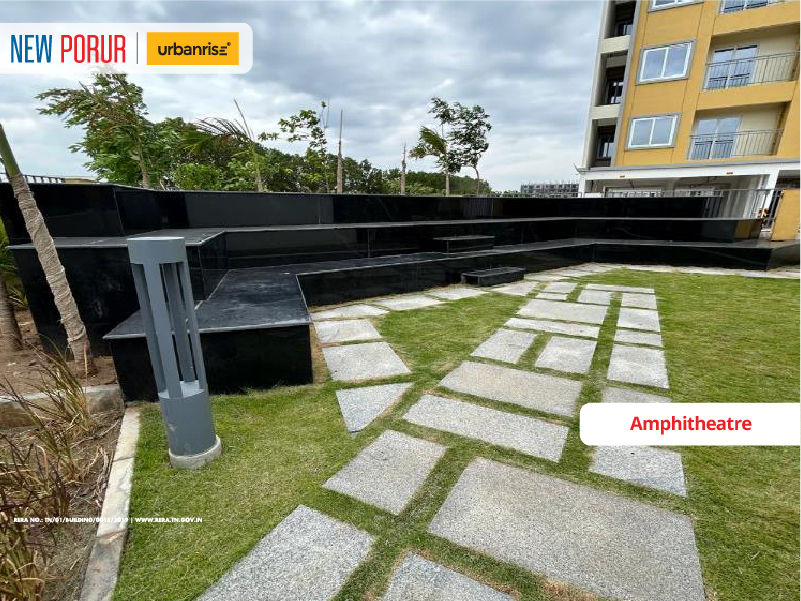
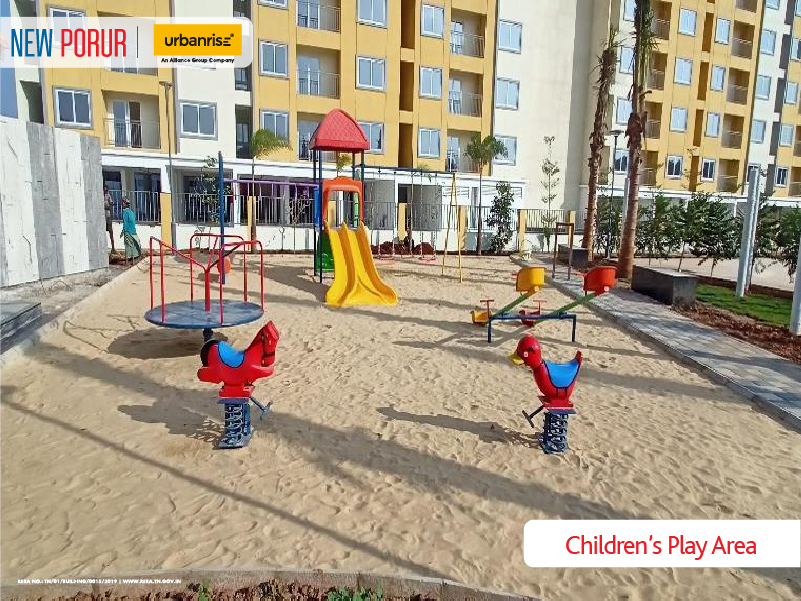
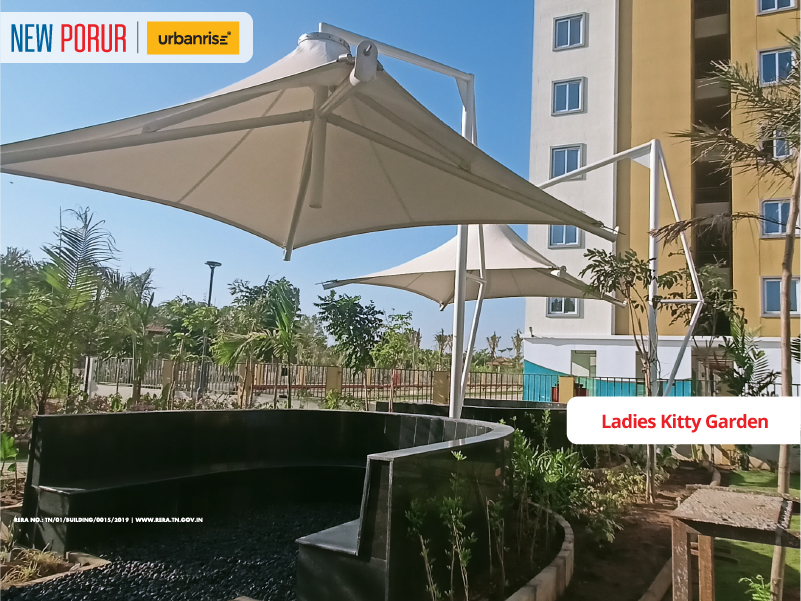
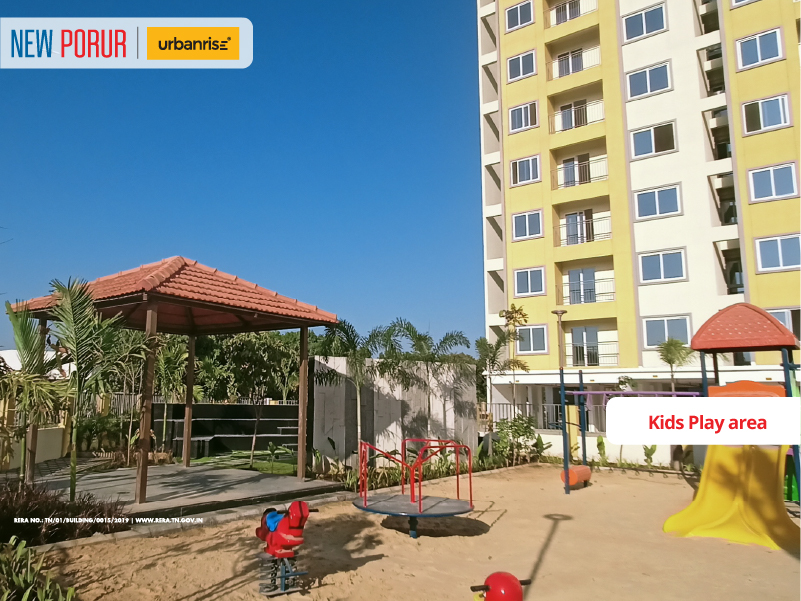
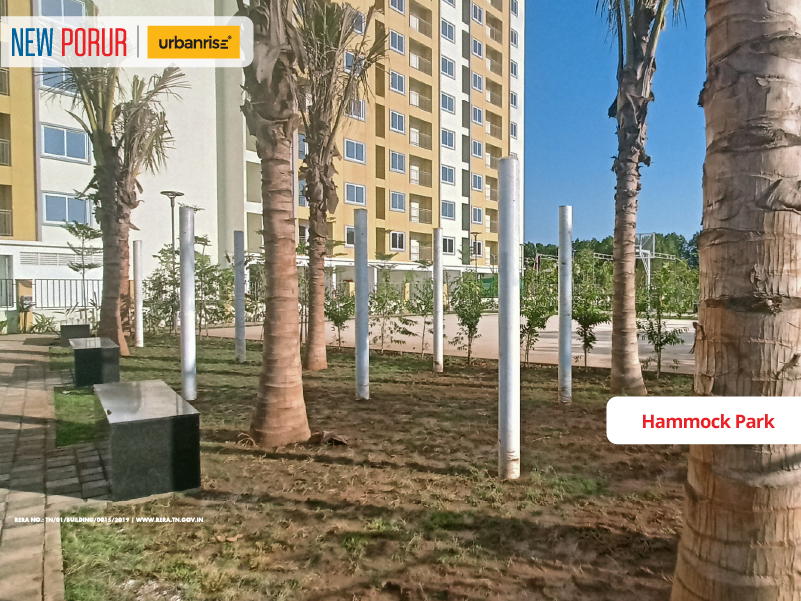
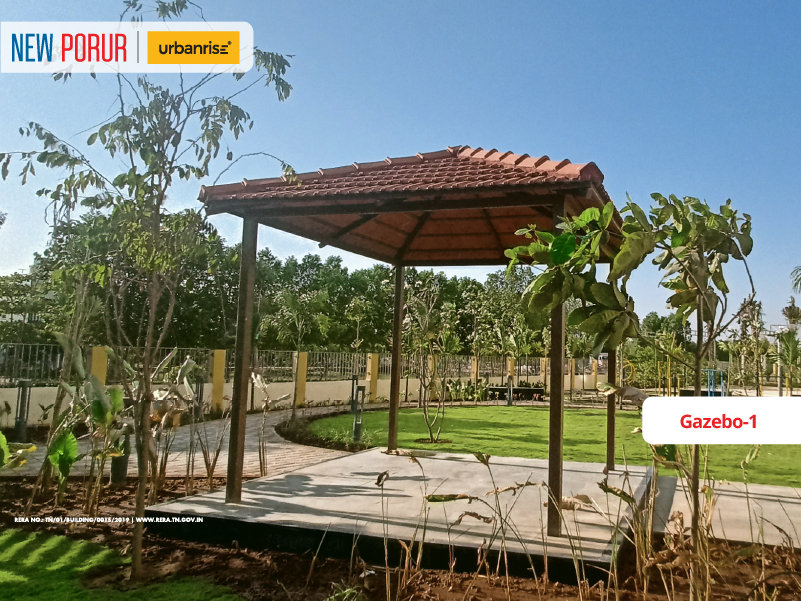
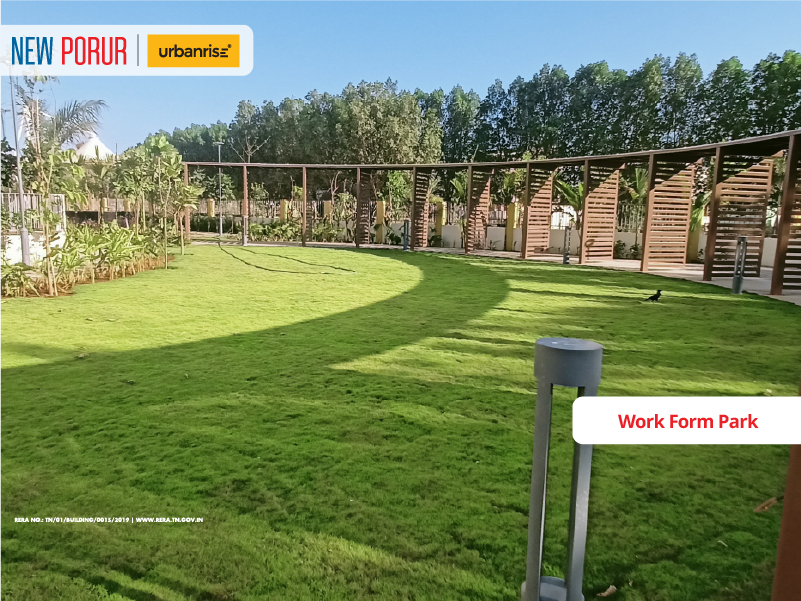
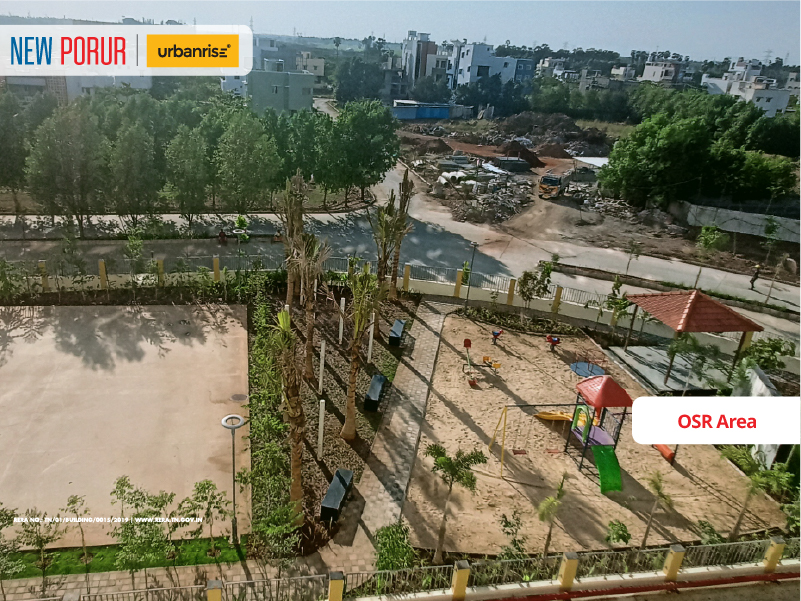
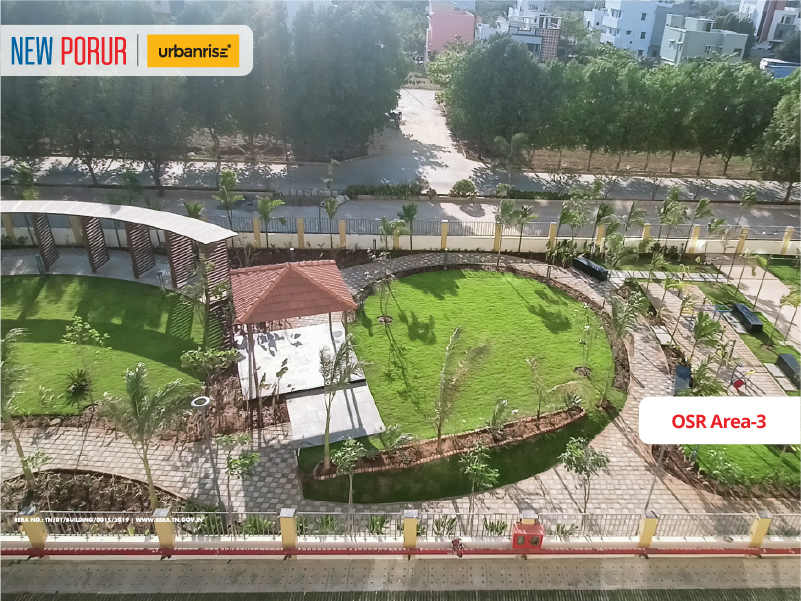
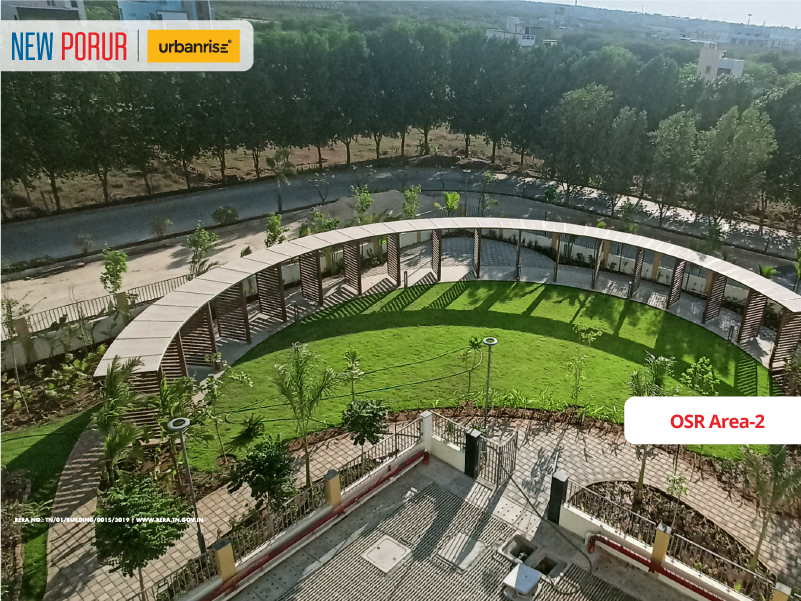
Large scale residential communities are becoming more common in these areas. These developments include open spaces, amenities, and integrated facilities that support modern living.
Thirumazhisai: A Future-Ready Residential Location Gaining Attention
Thirumazhisai is steadily emerging as a future-ready residential destination in Chennai.
The locality benefits from strong connectivity through major transport corridors. Its proximity to industrial and manufacturing zones supports a stable employment base. This combination creates consistent housing demand.
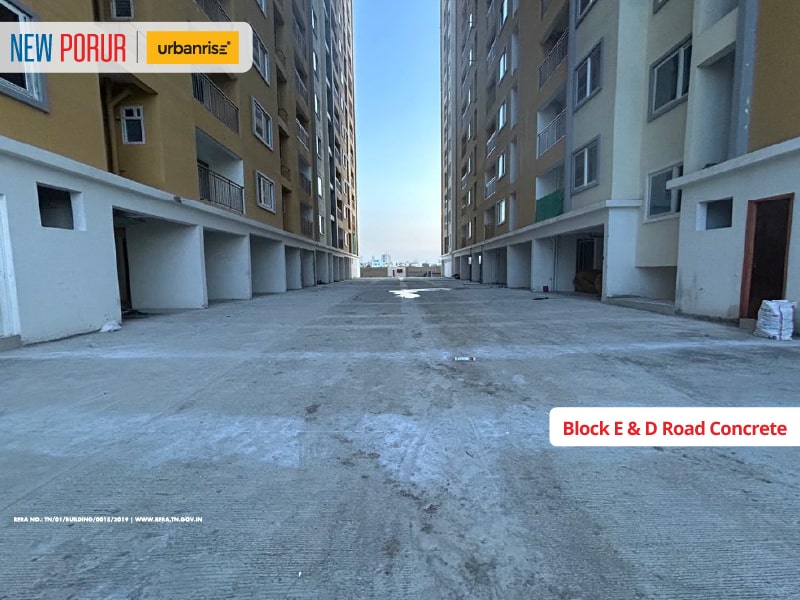
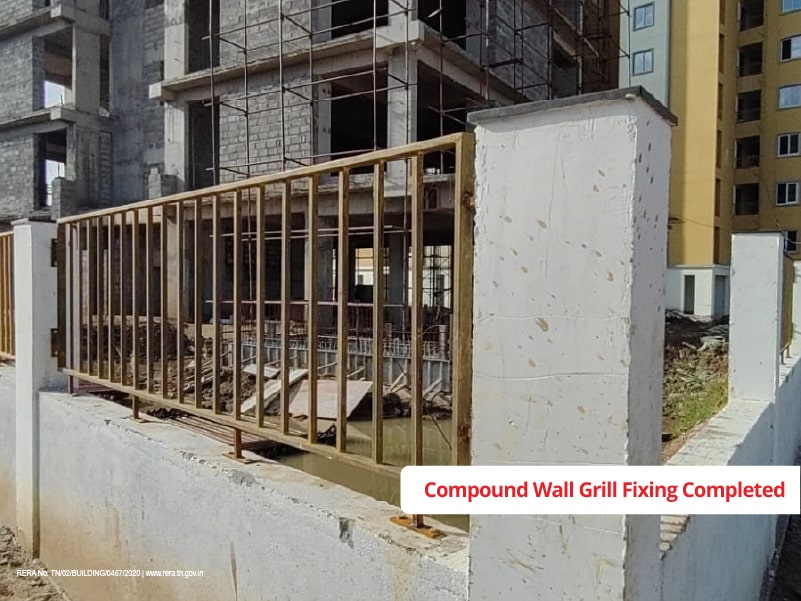
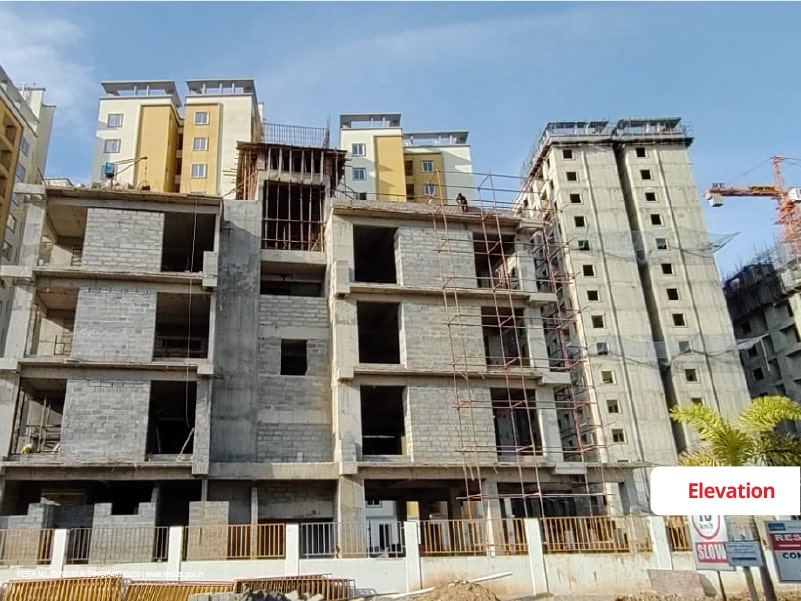
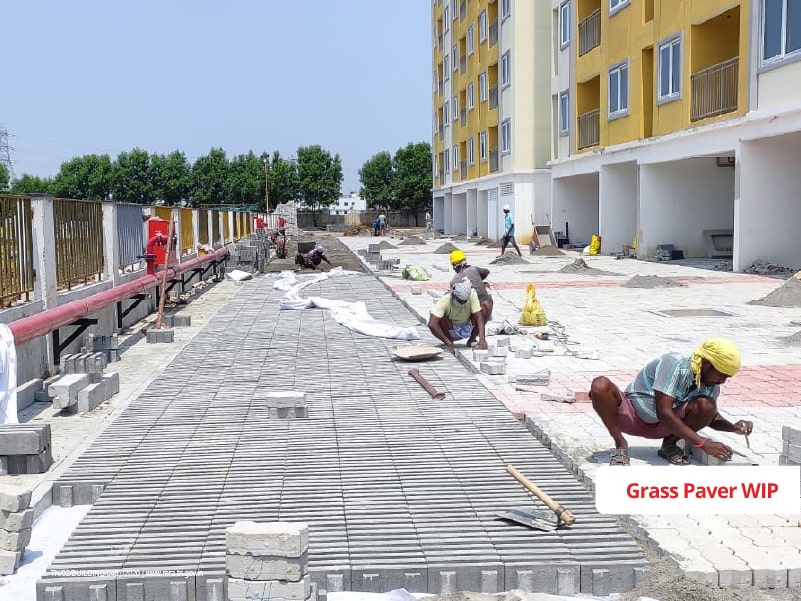
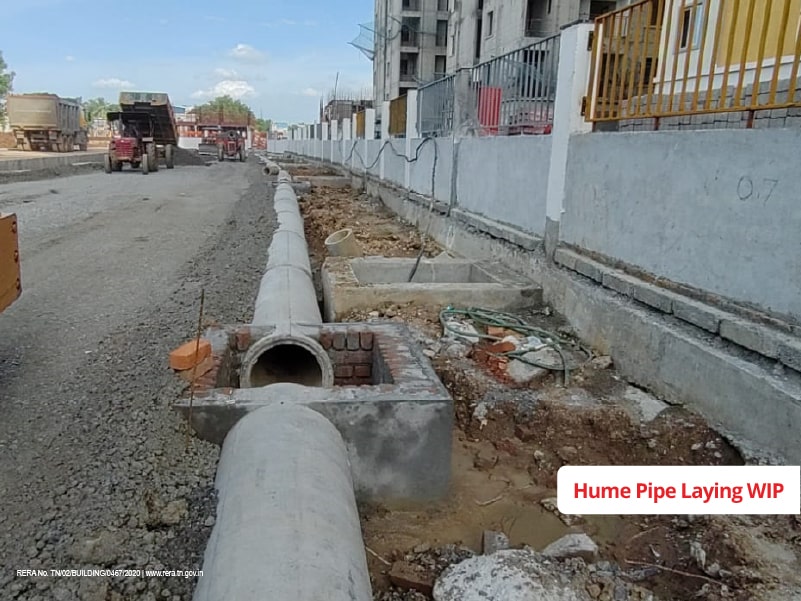
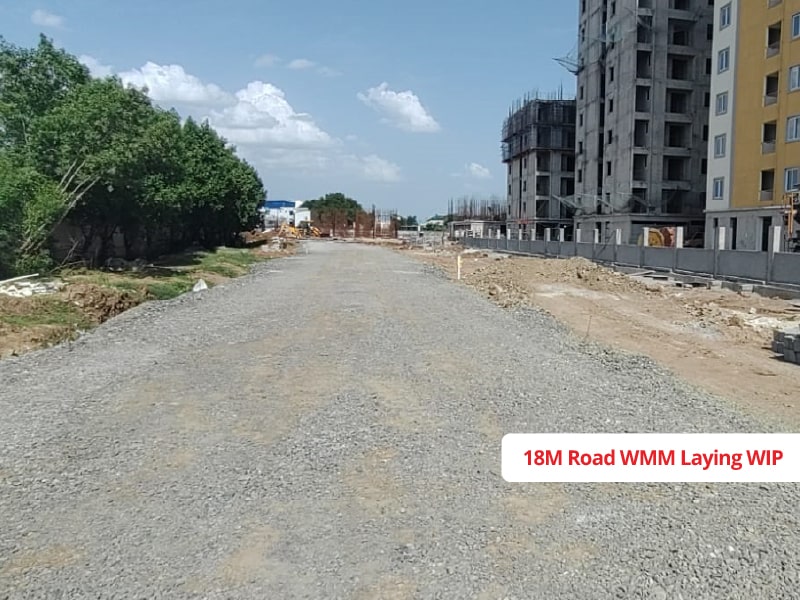
Infrastructure development in and around the area is already visible. Road connectivity has improved, and access to key parts of the city is becoming more efficient.
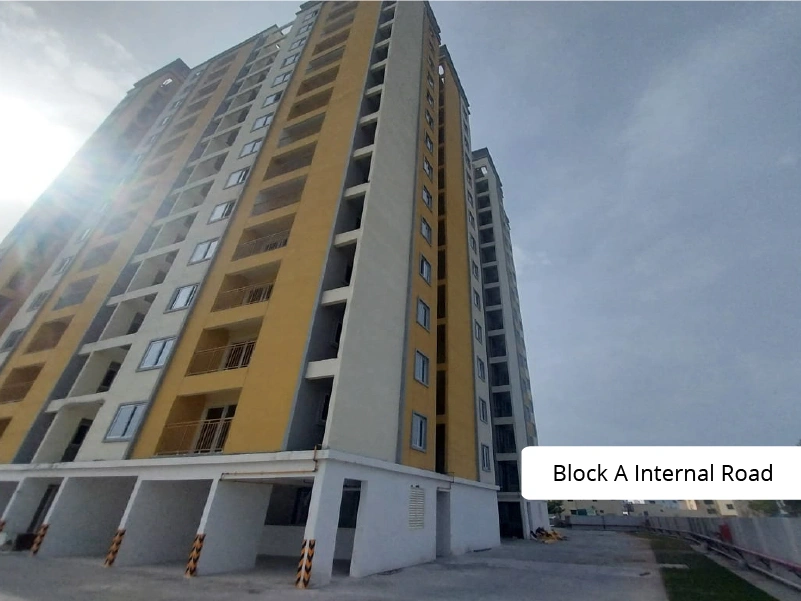
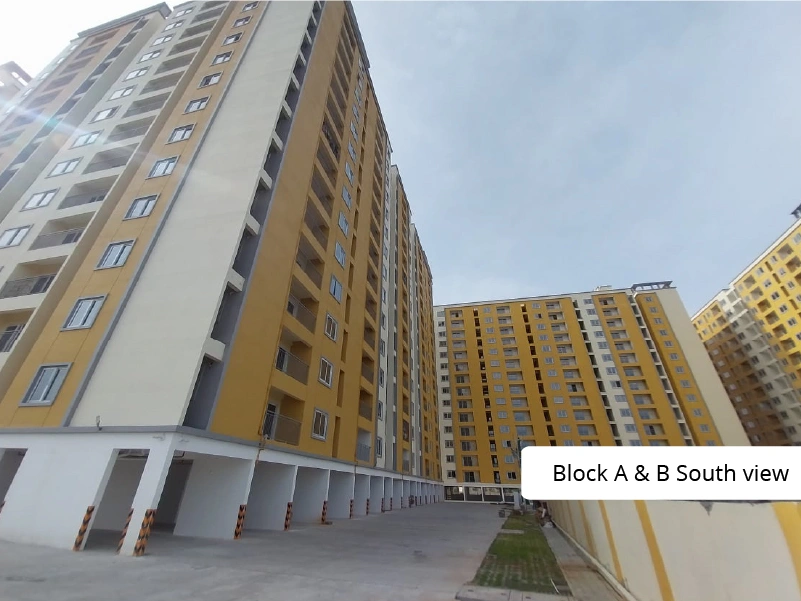
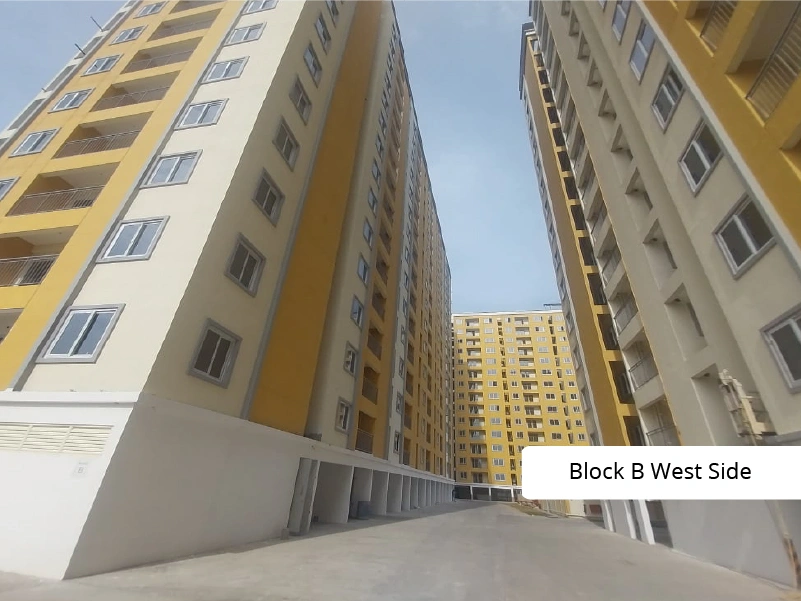
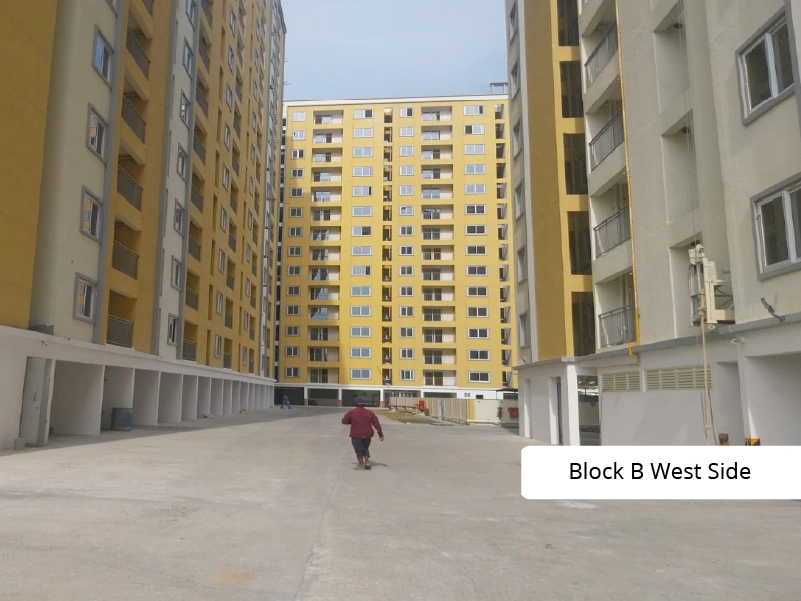
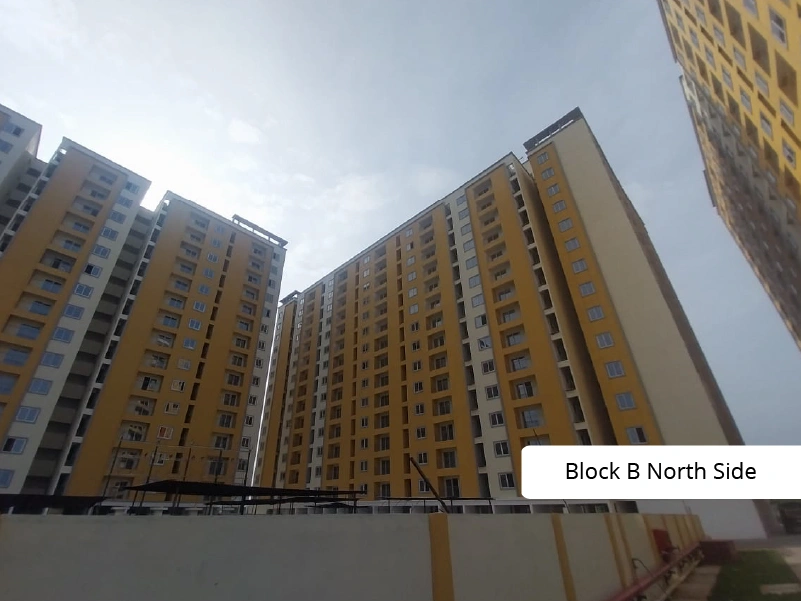
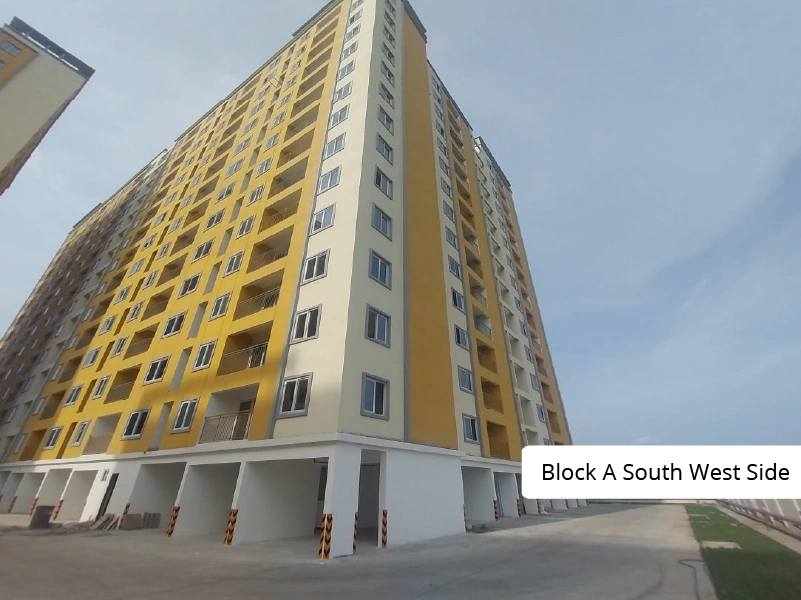
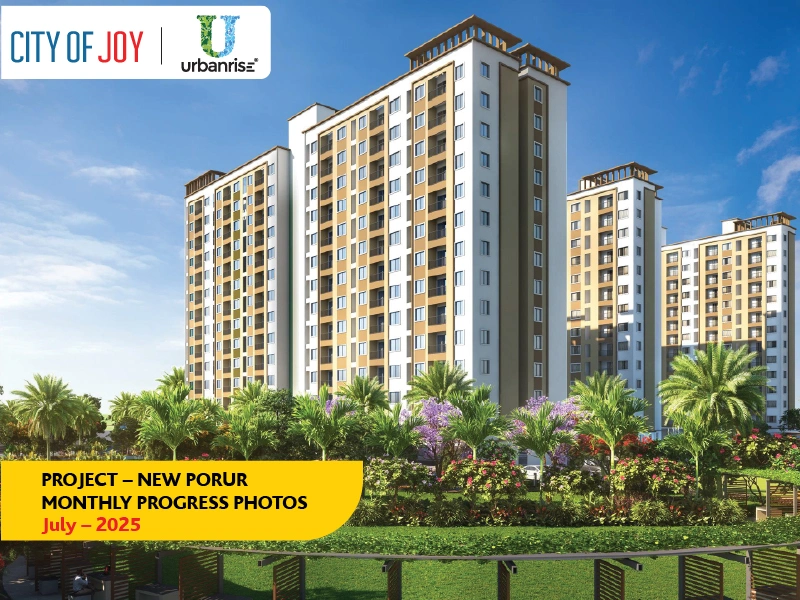
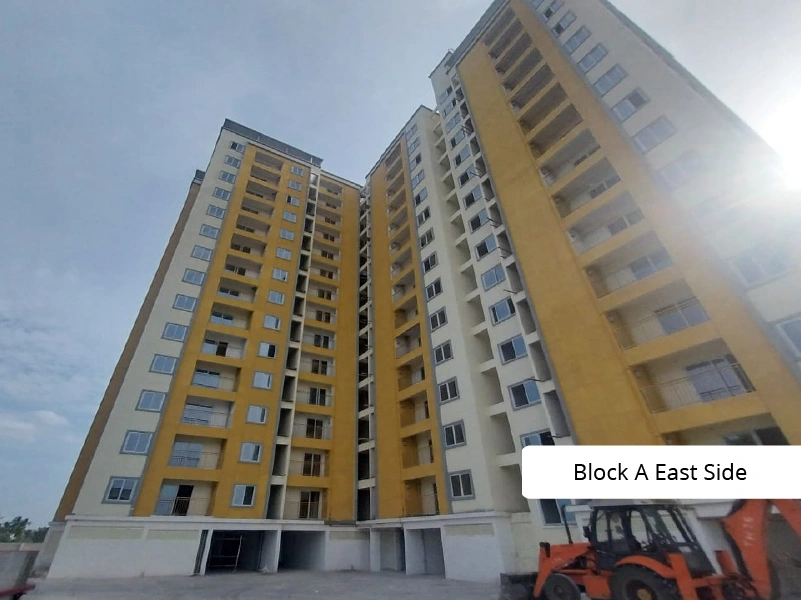
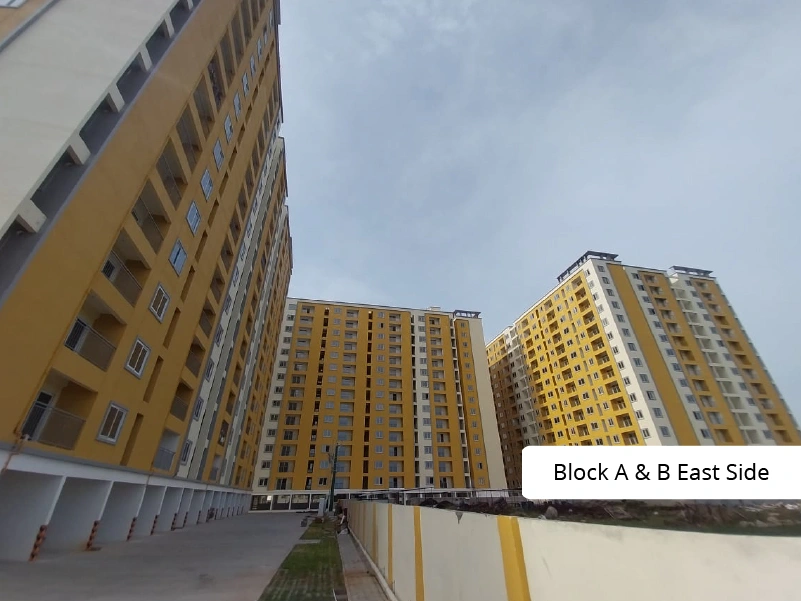
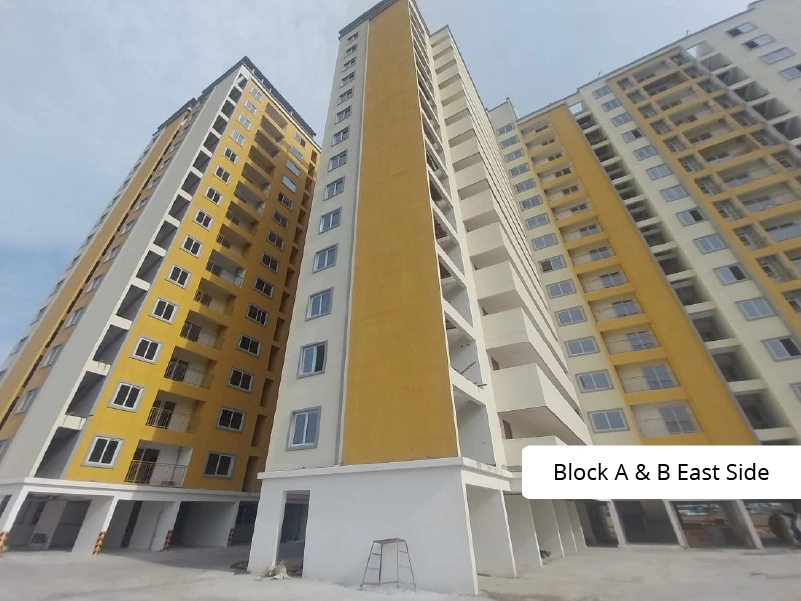
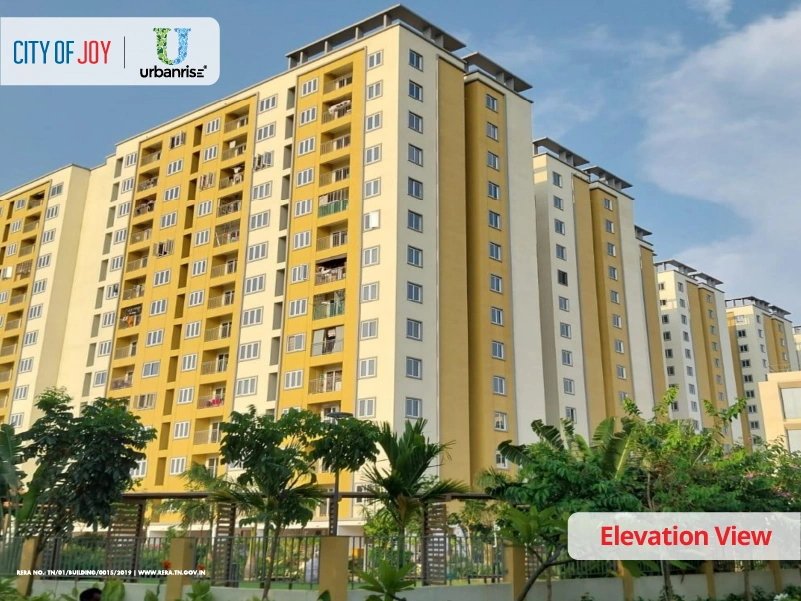
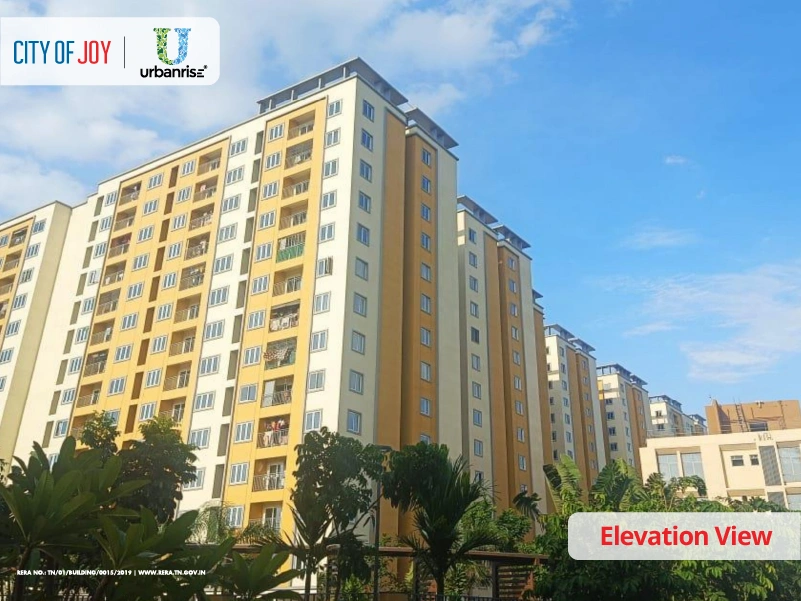
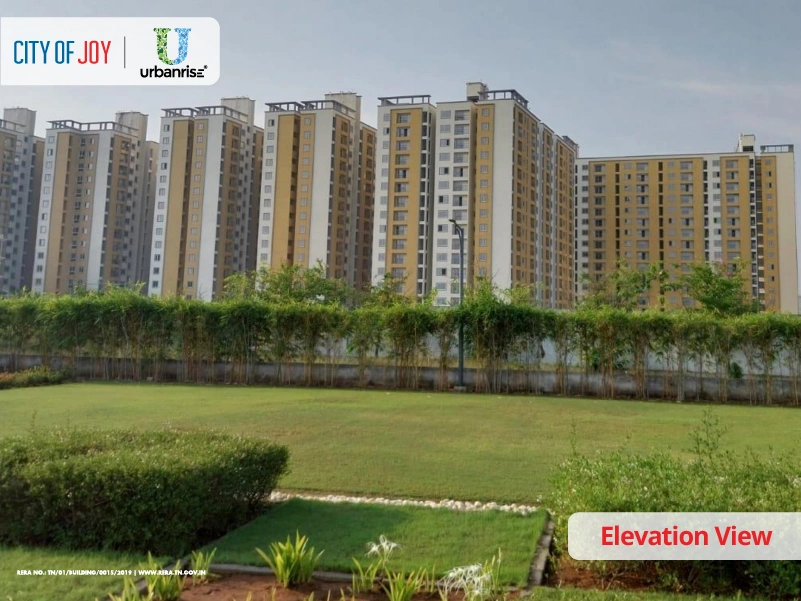
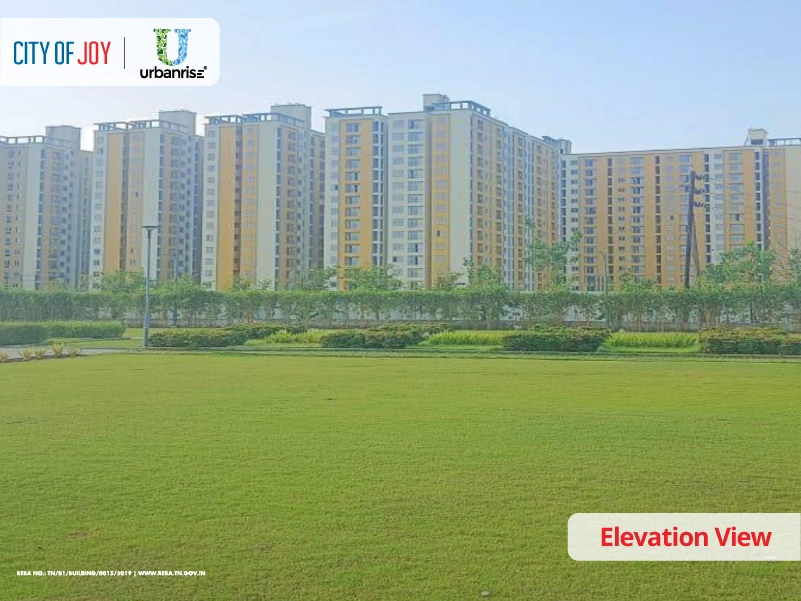
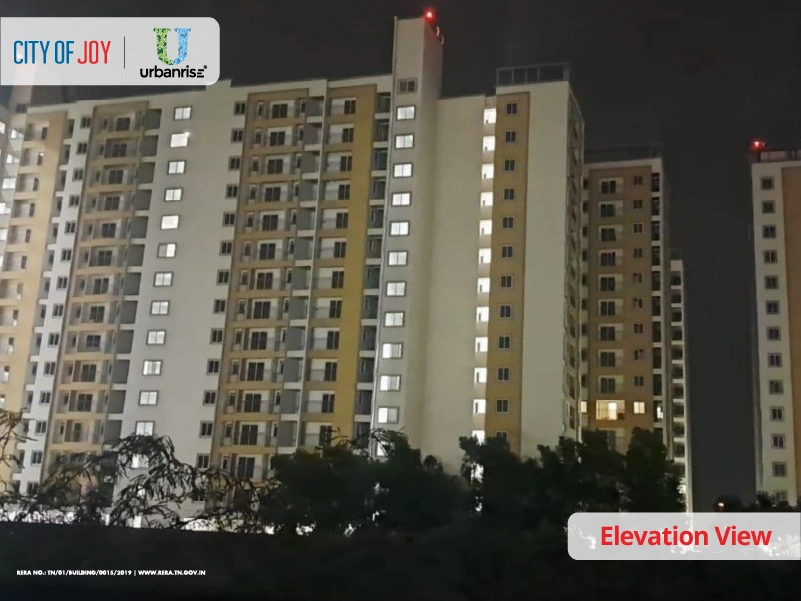
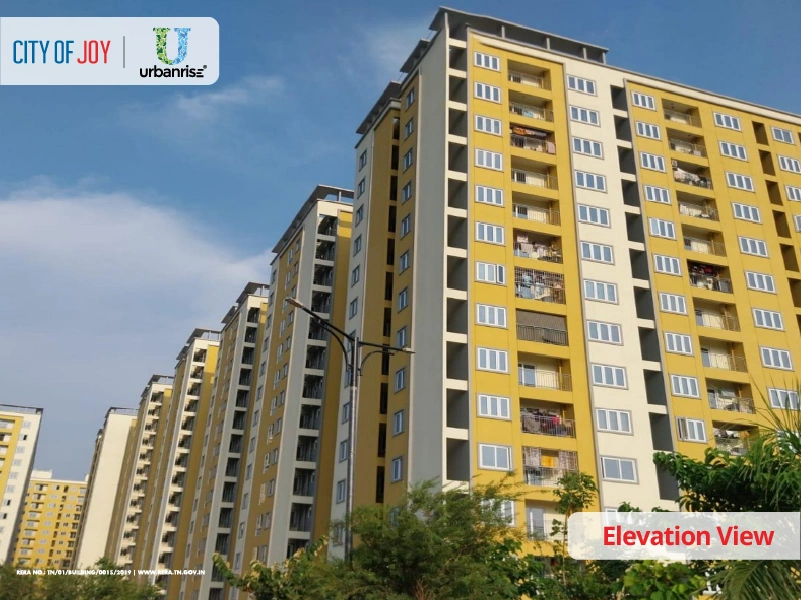
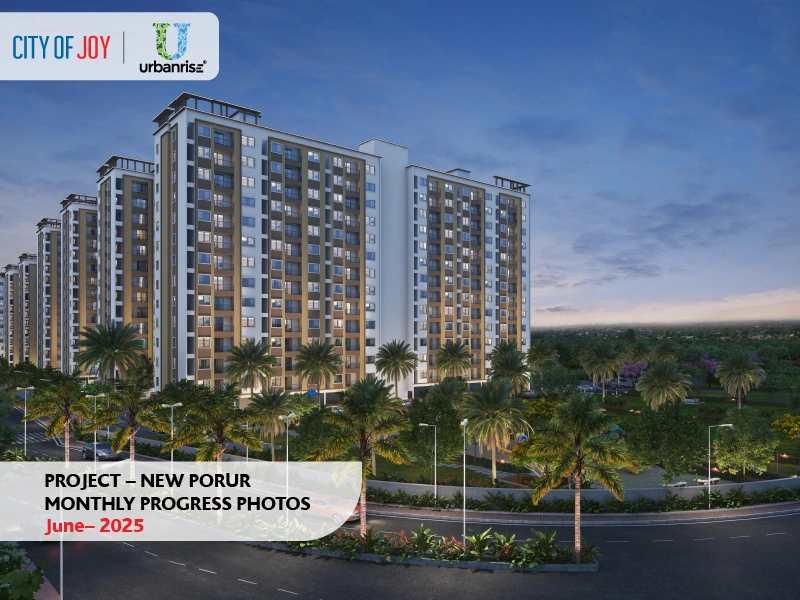
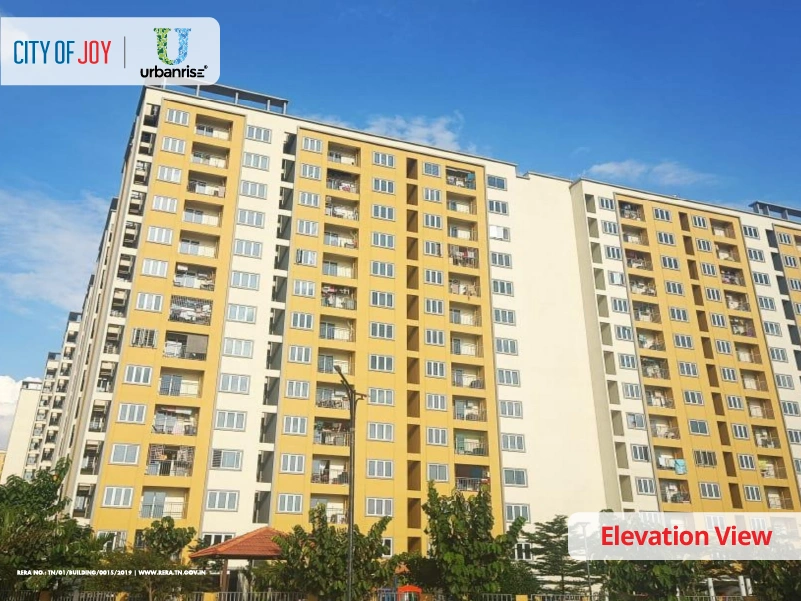
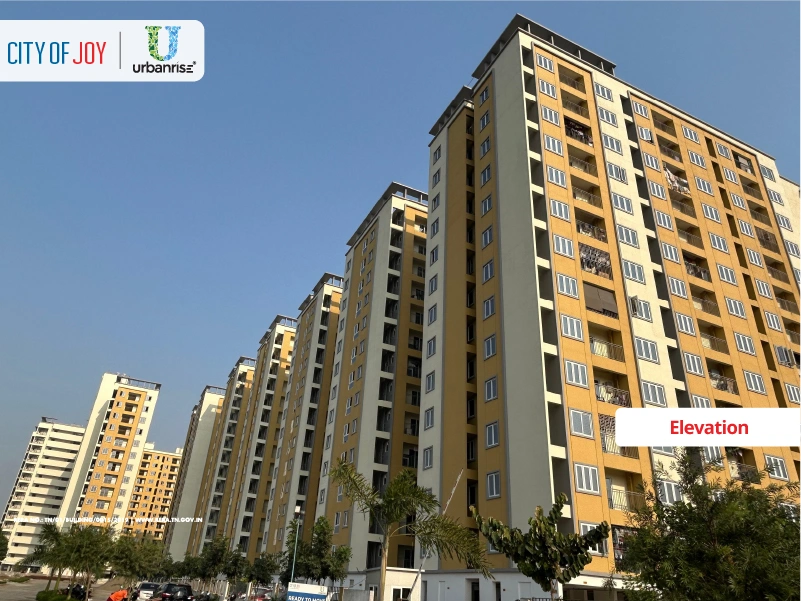
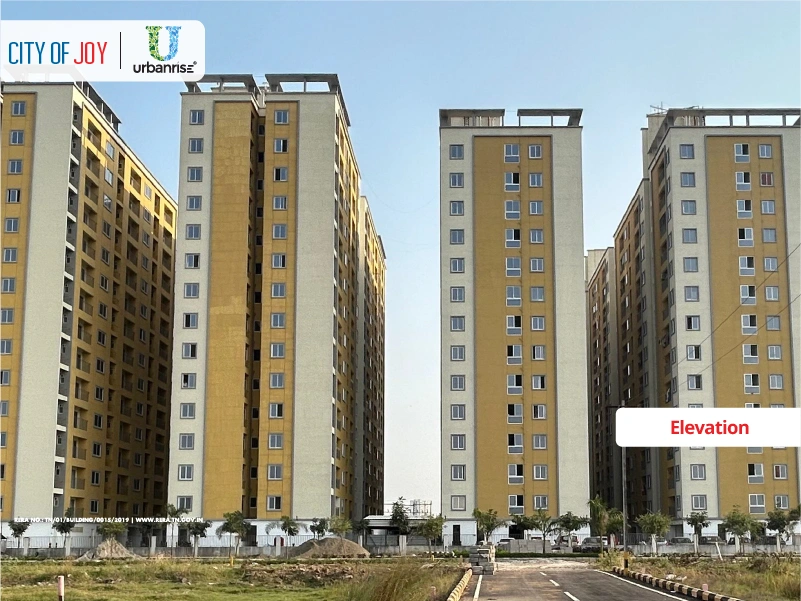
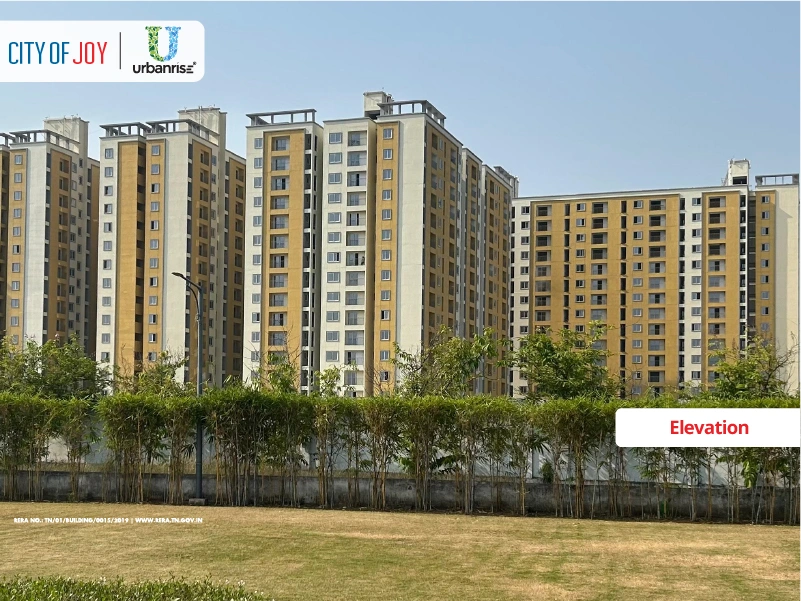
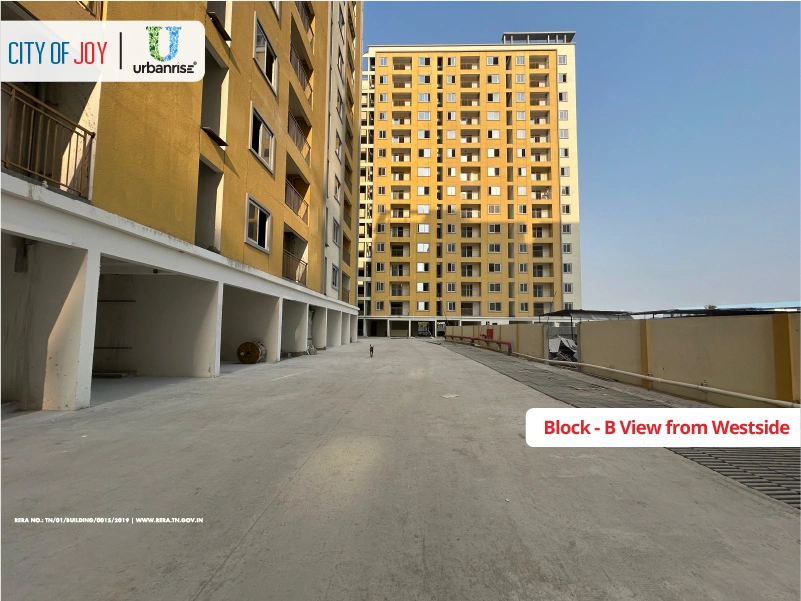
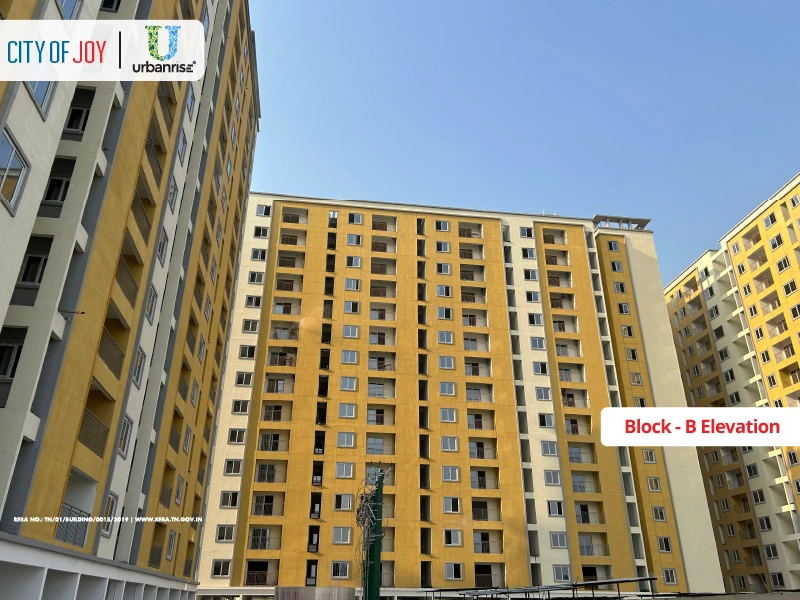
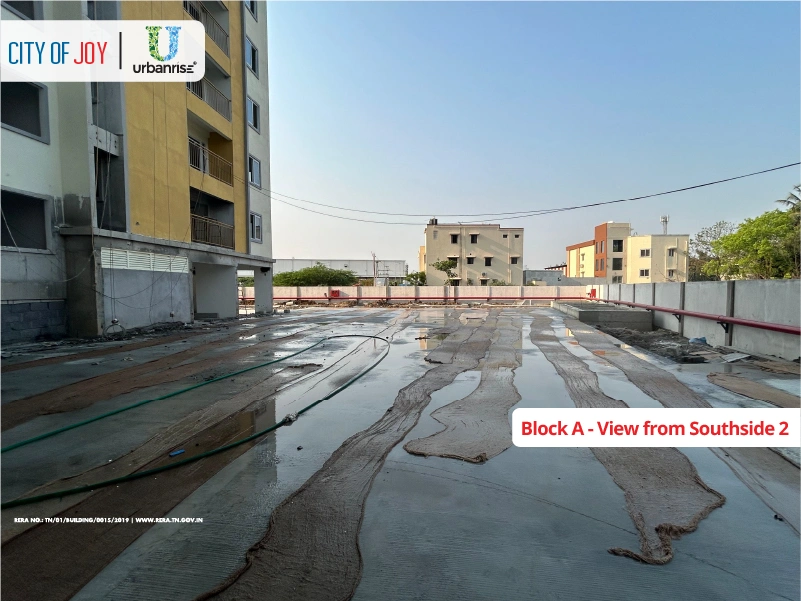
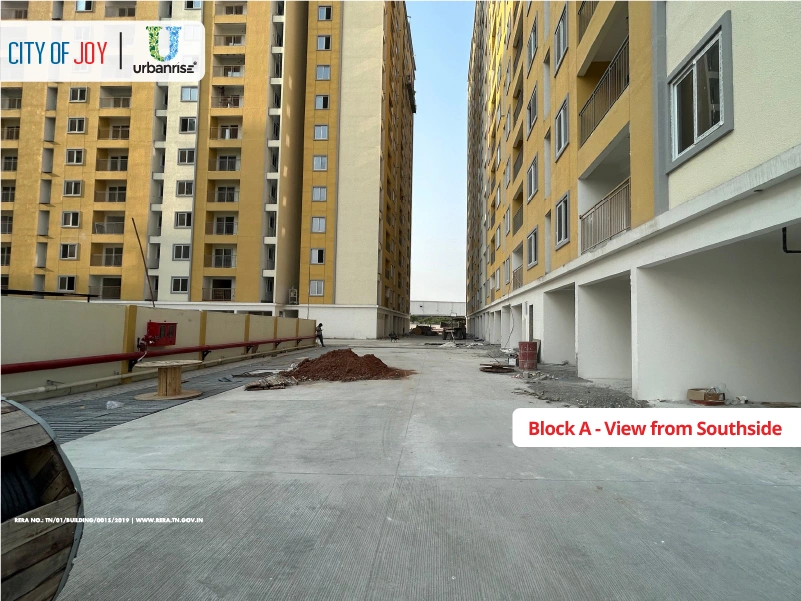
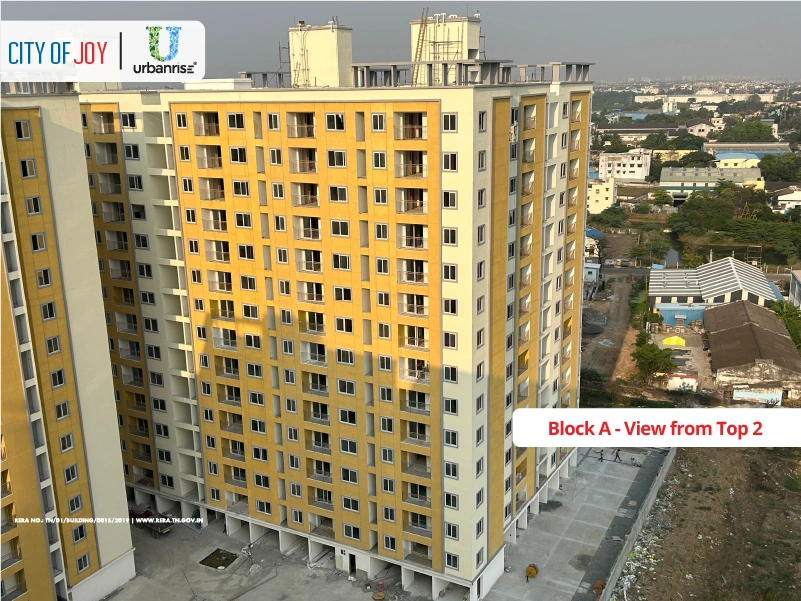
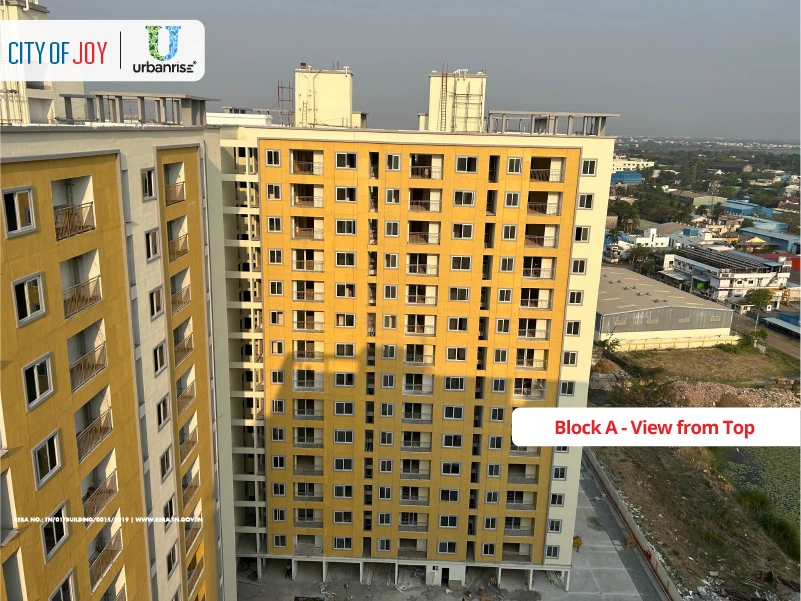
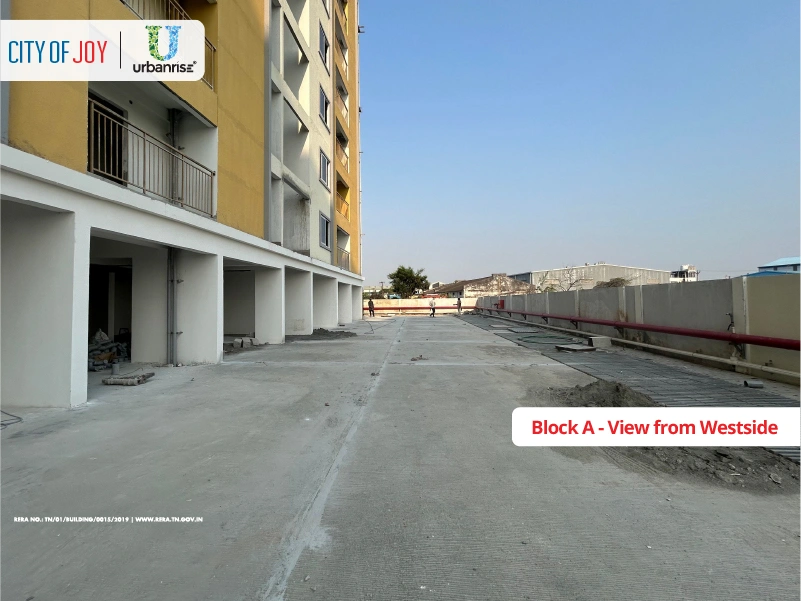
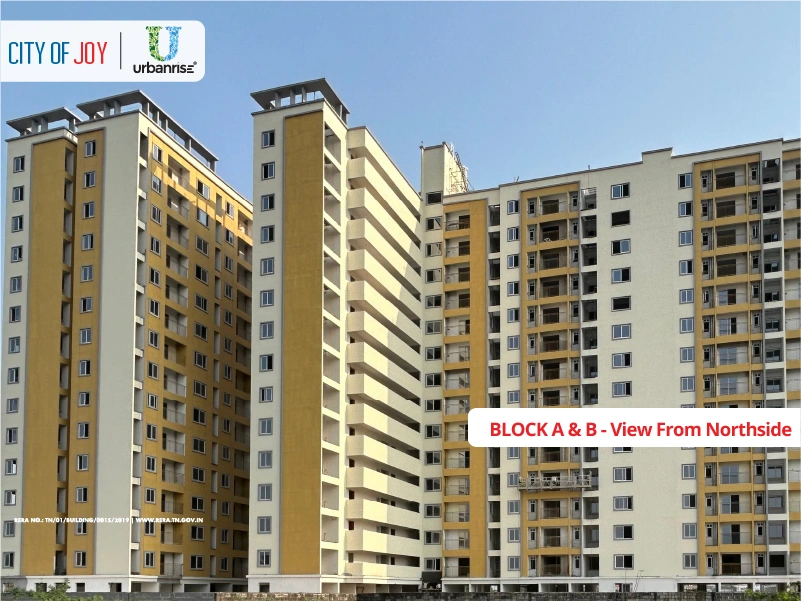
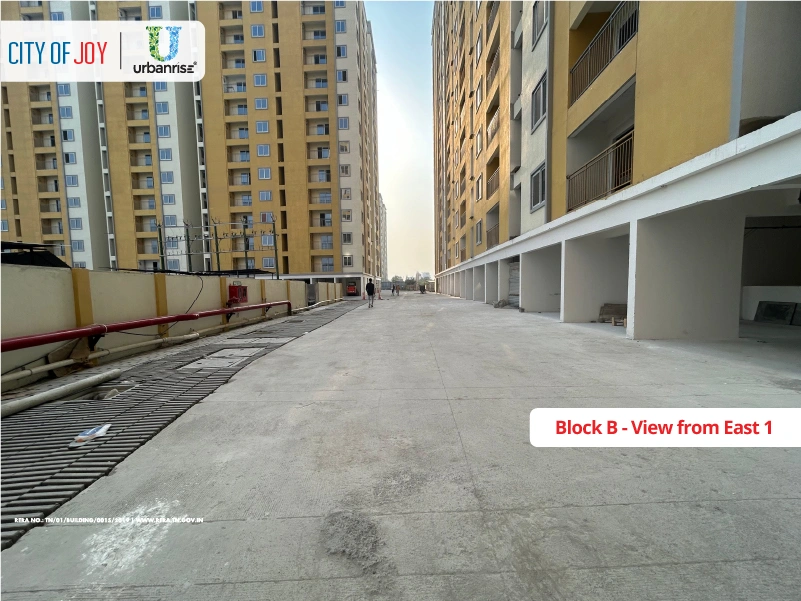
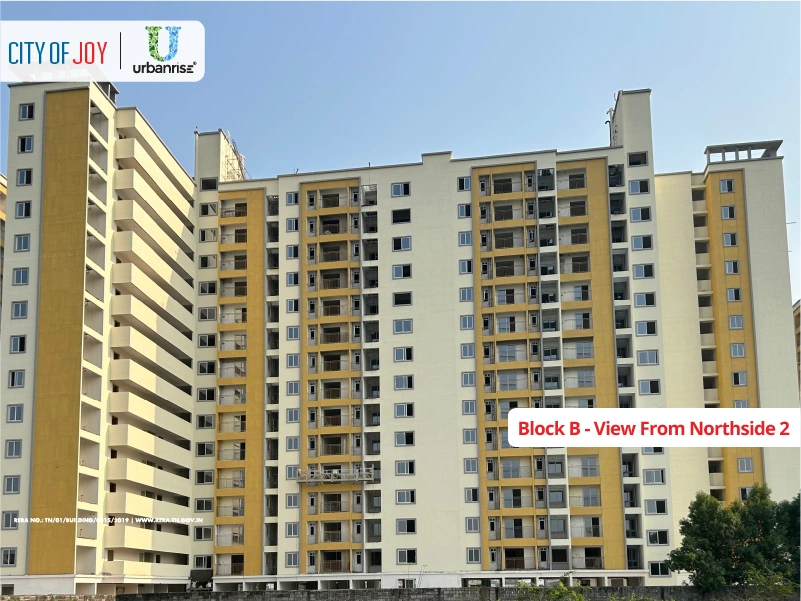
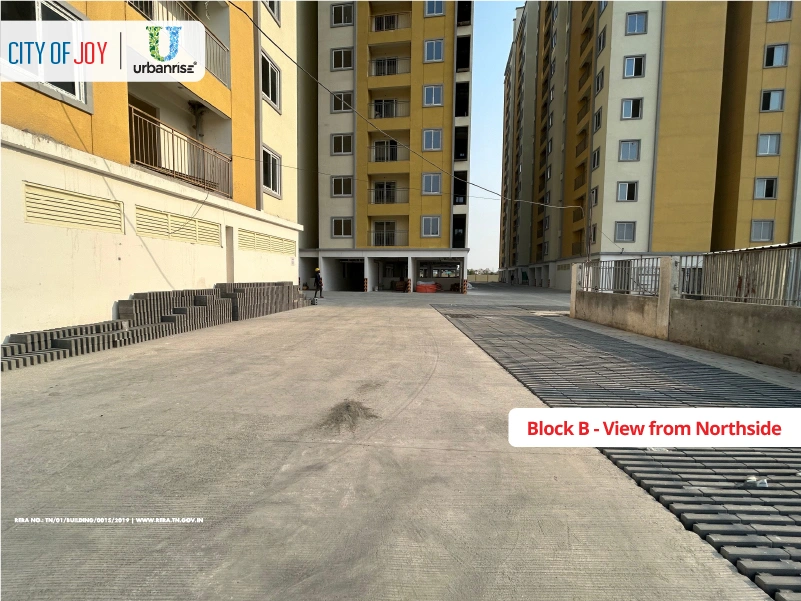
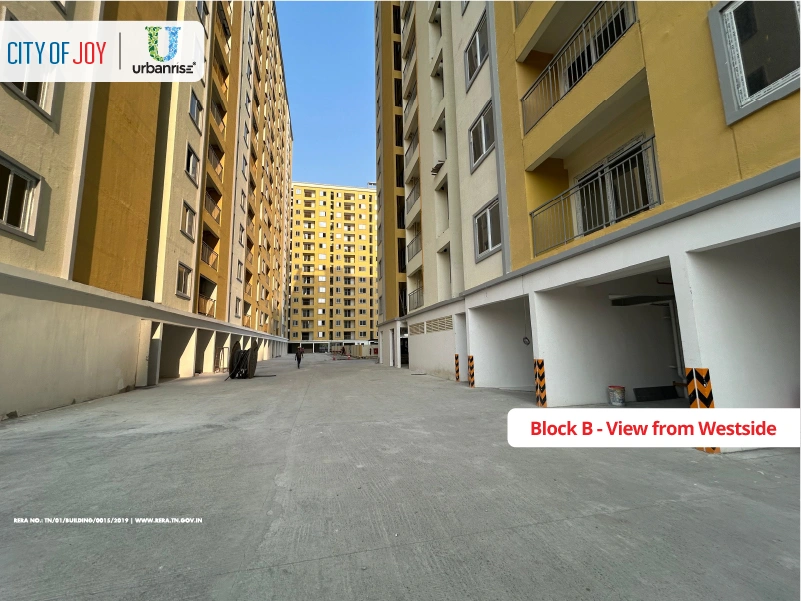
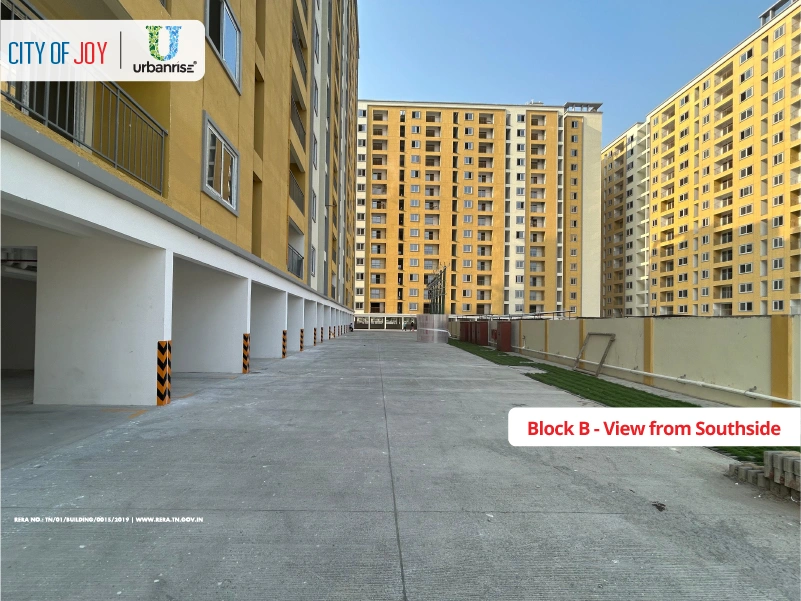
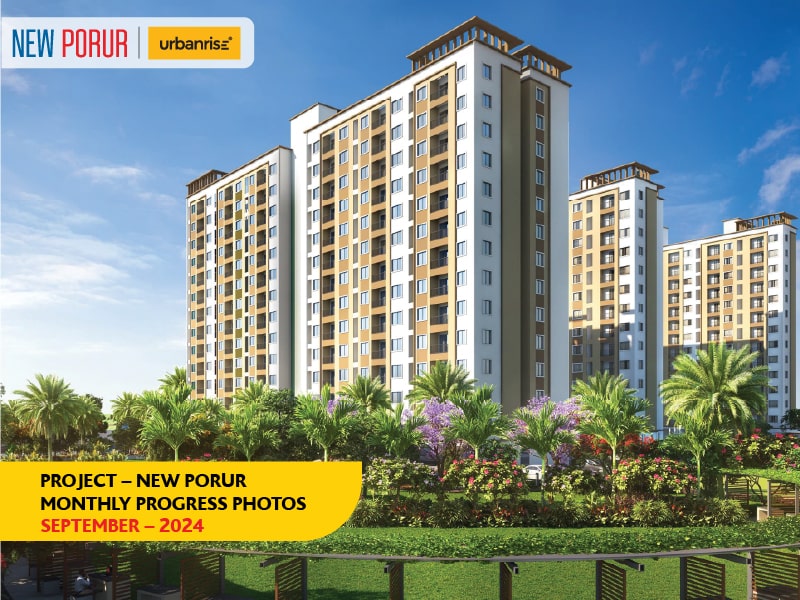
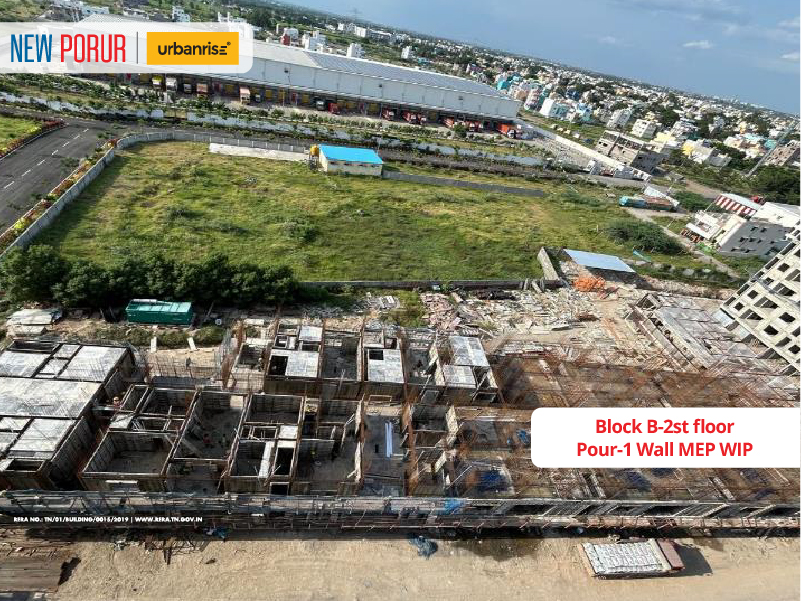
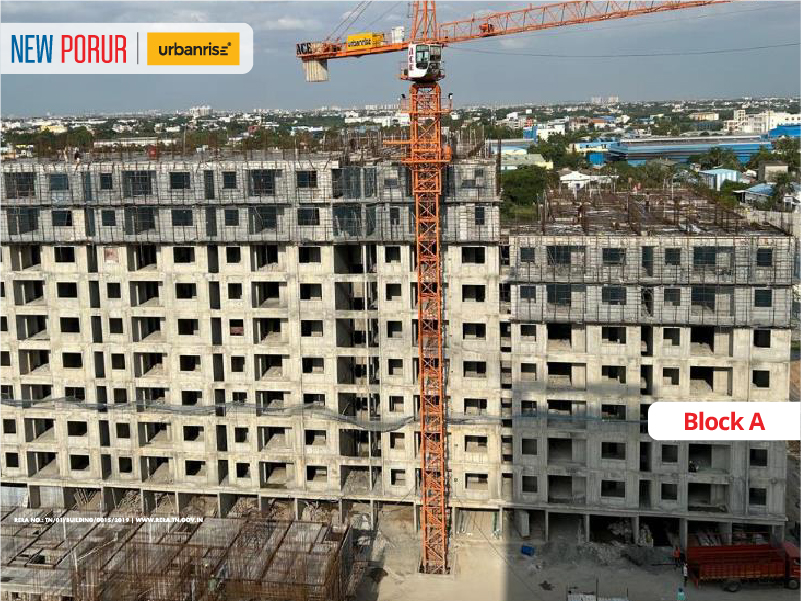
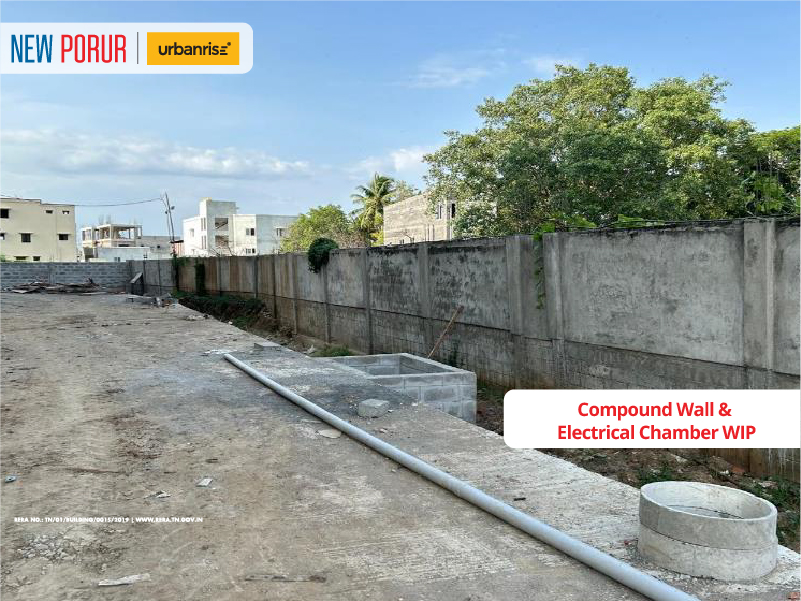
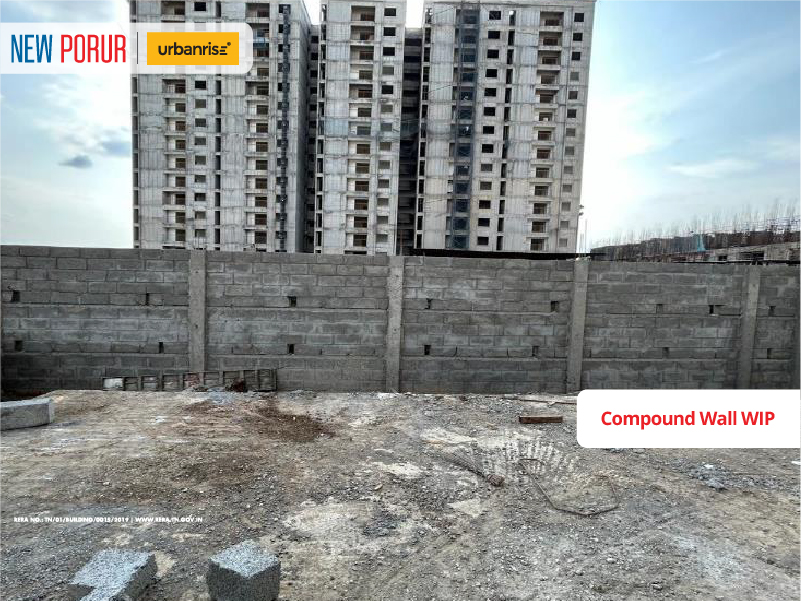
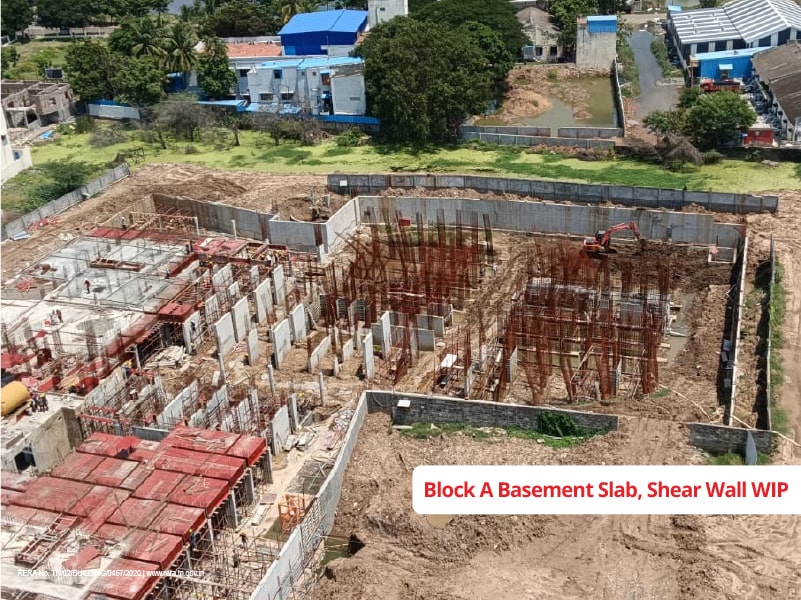
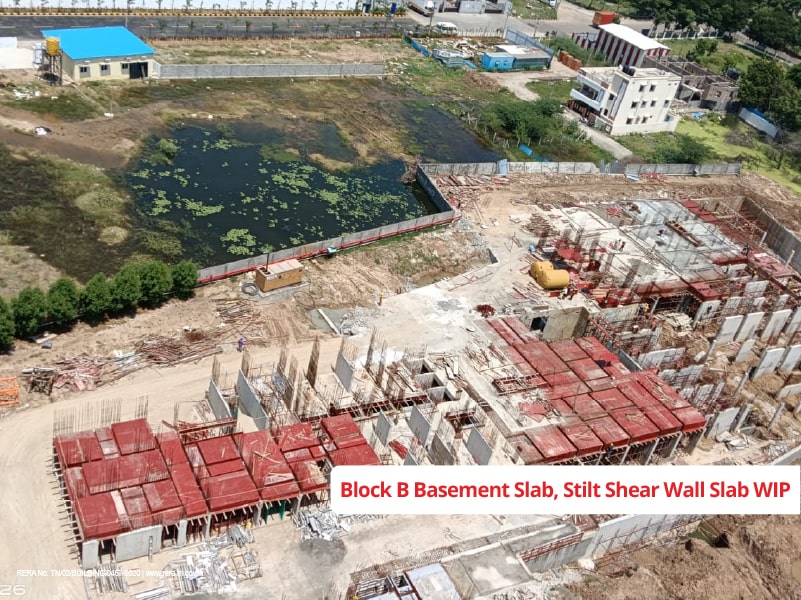
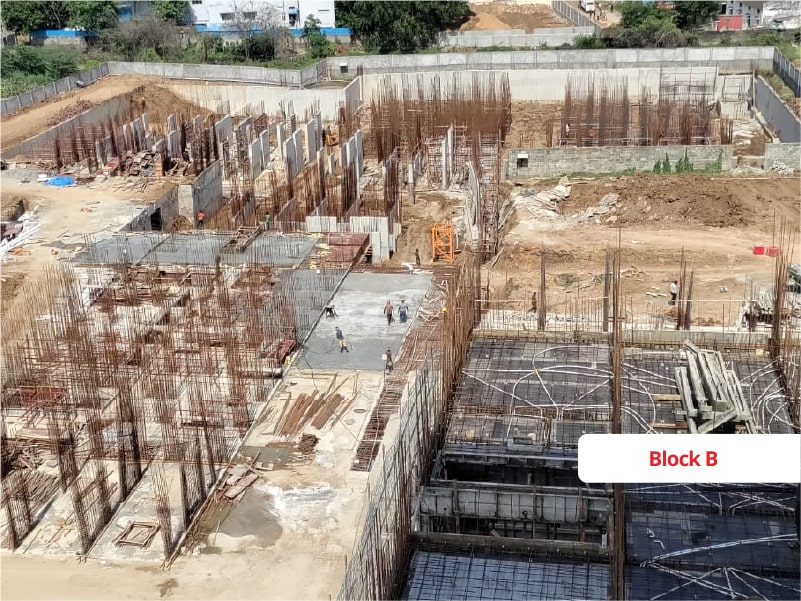
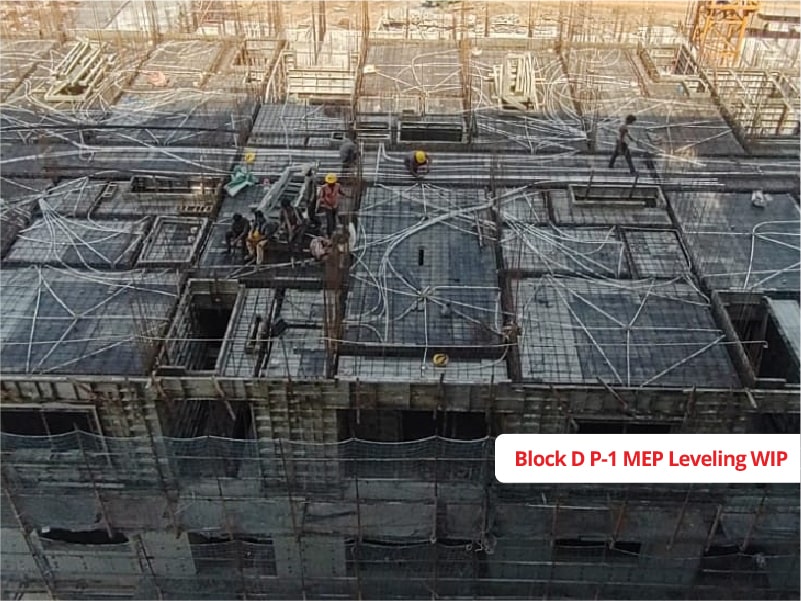
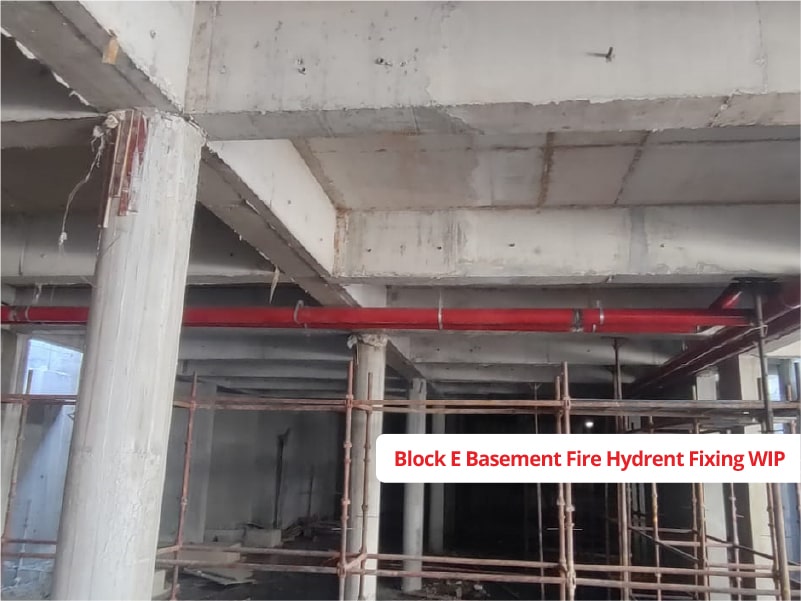
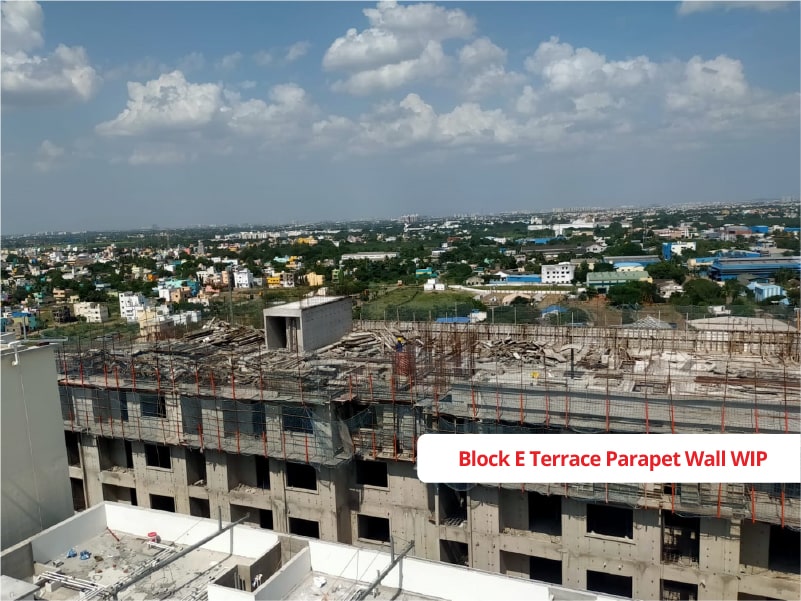
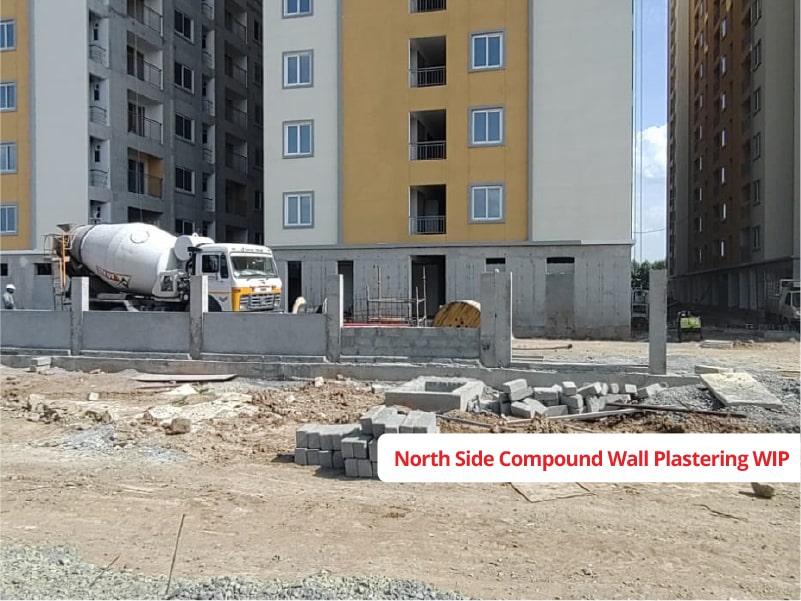
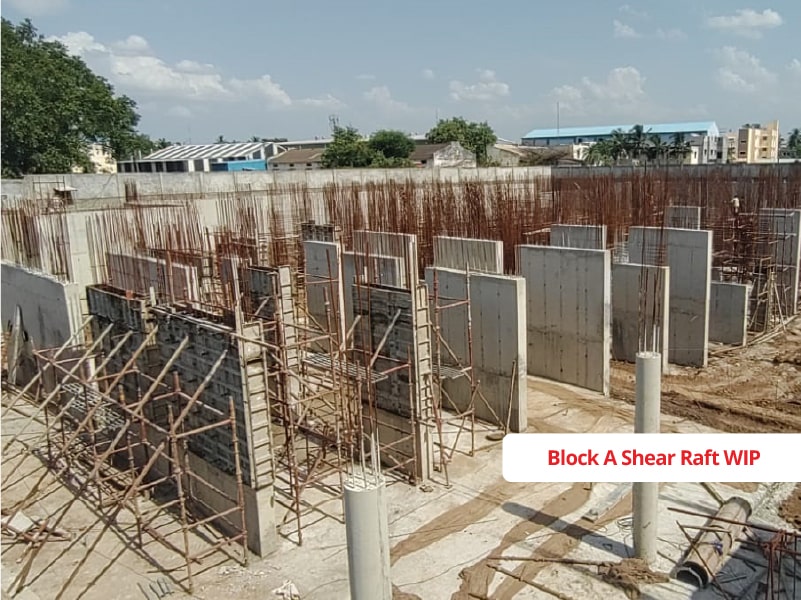
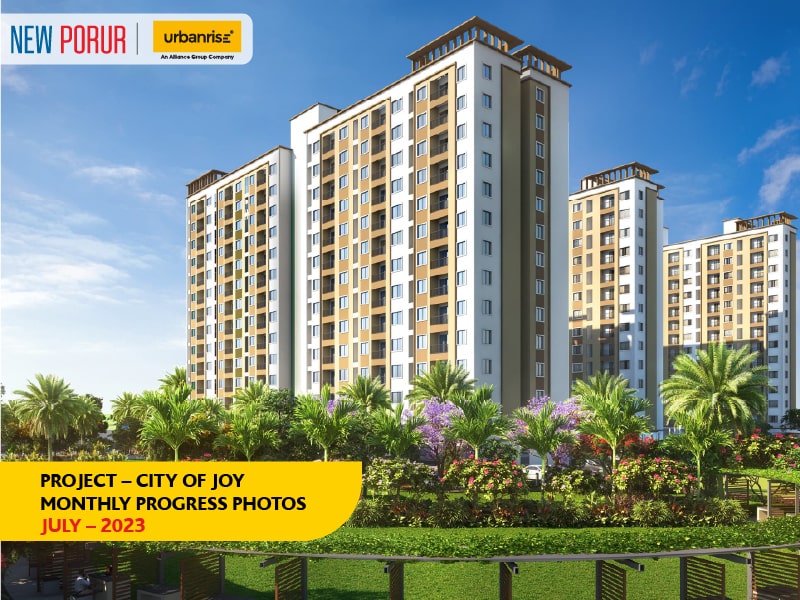
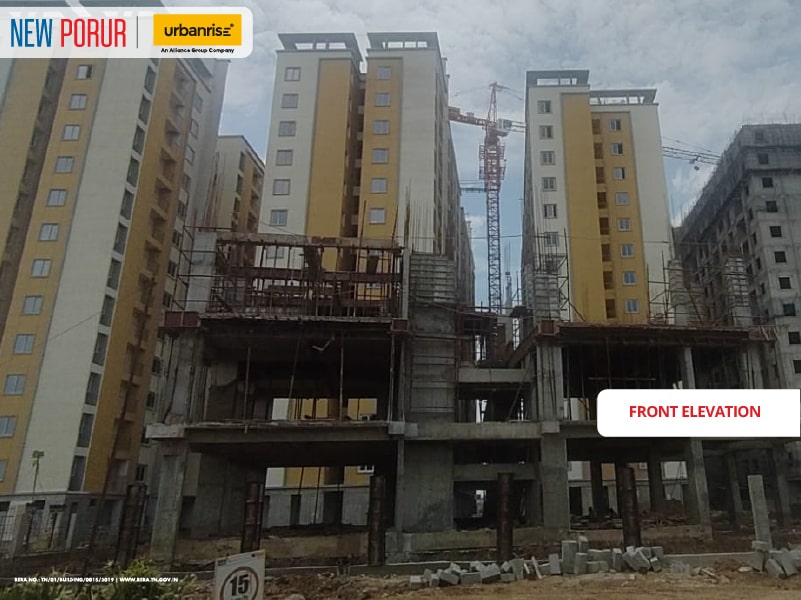
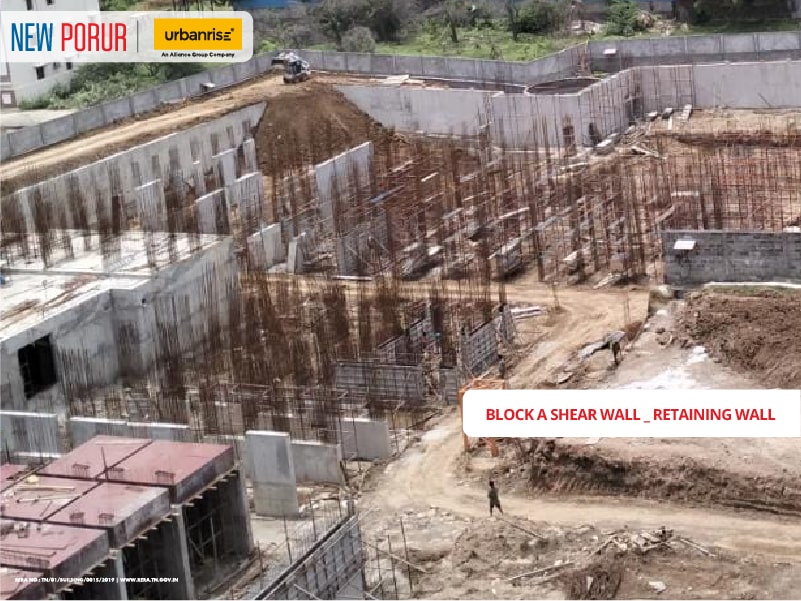
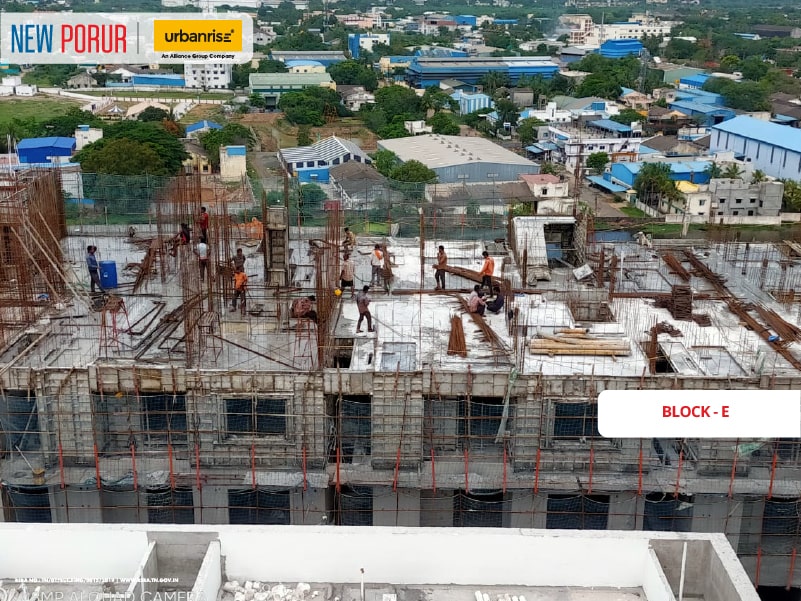
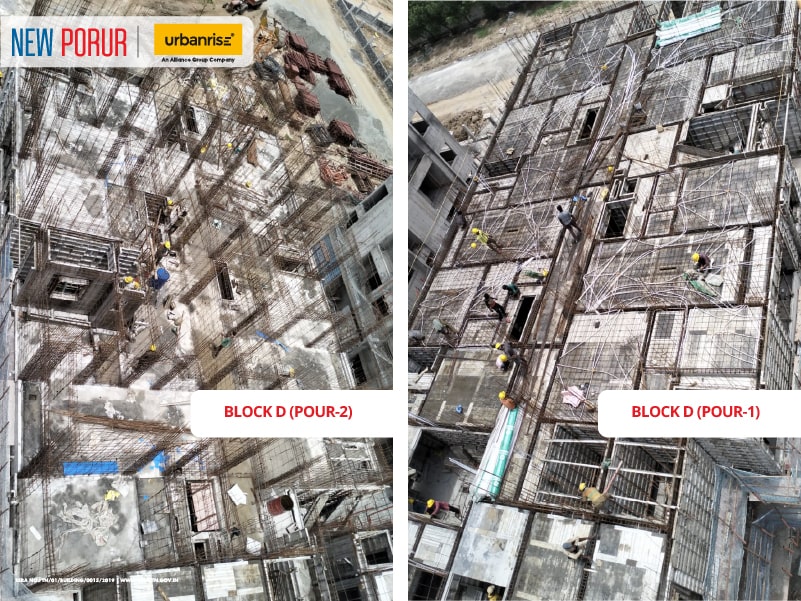
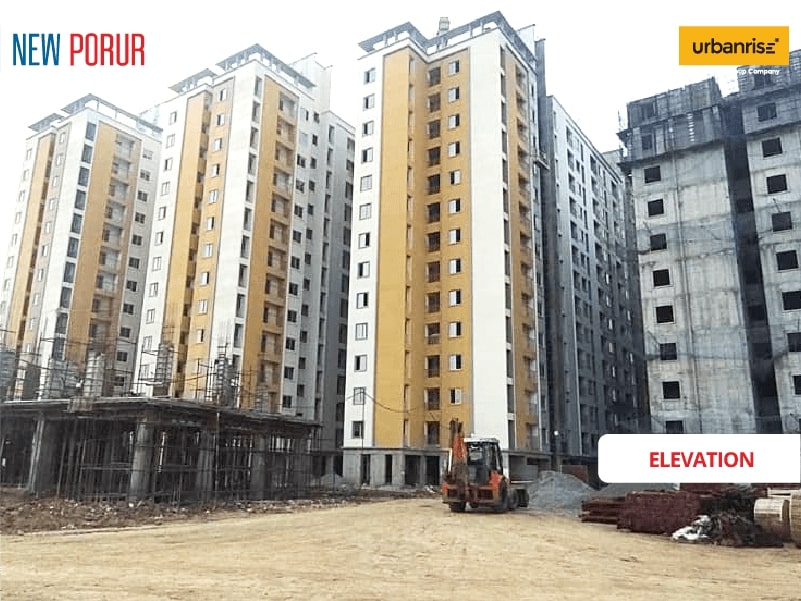
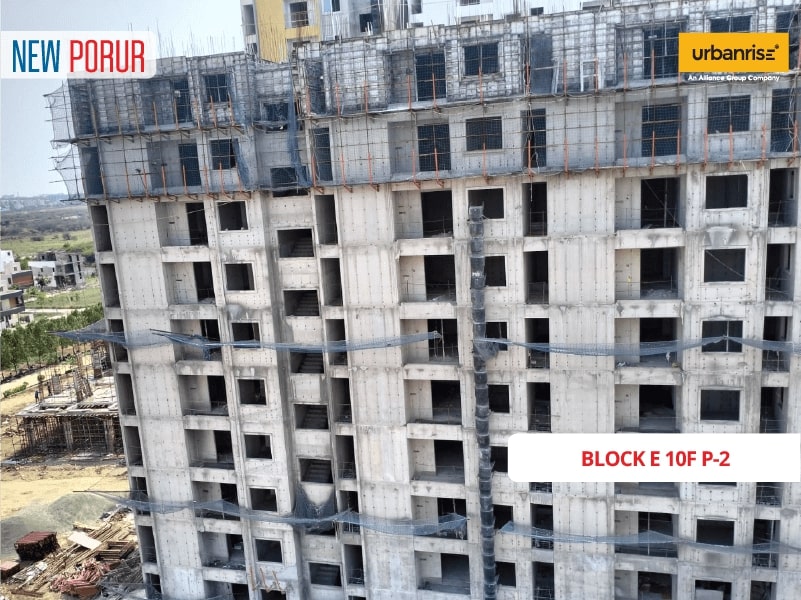
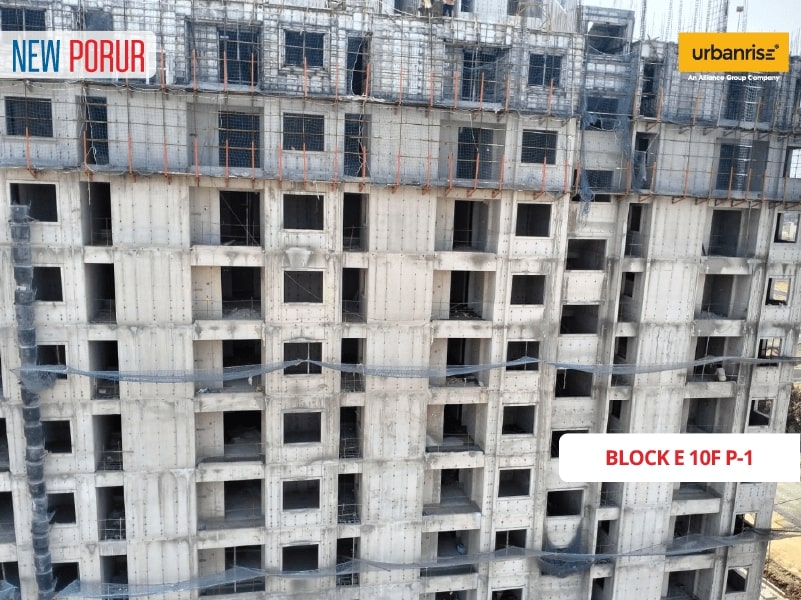
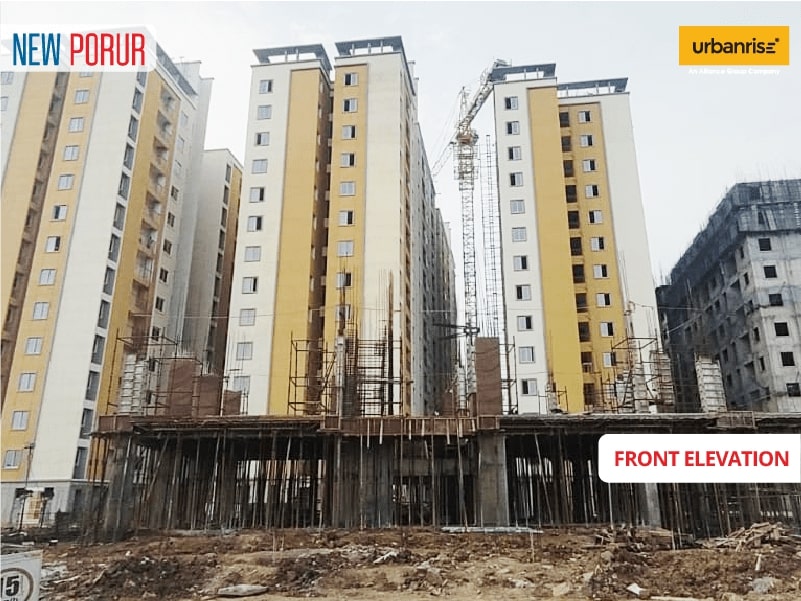
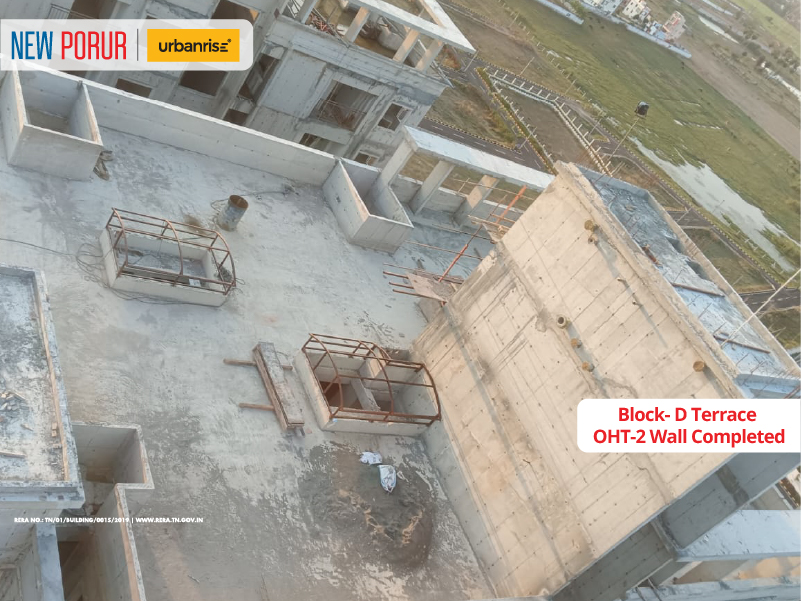
At the same time, residential development is expanding in a structured manner. Large scale projects like Urbanrise City of Joy are shaping the locality into an organised living environment.
Unlike saturated locations, Thirumazhisai offers the advantage of early-stage investment where the buyers can enter at a point where growth is evident.
City of Joy: A Reflection of a Future-Ready Location
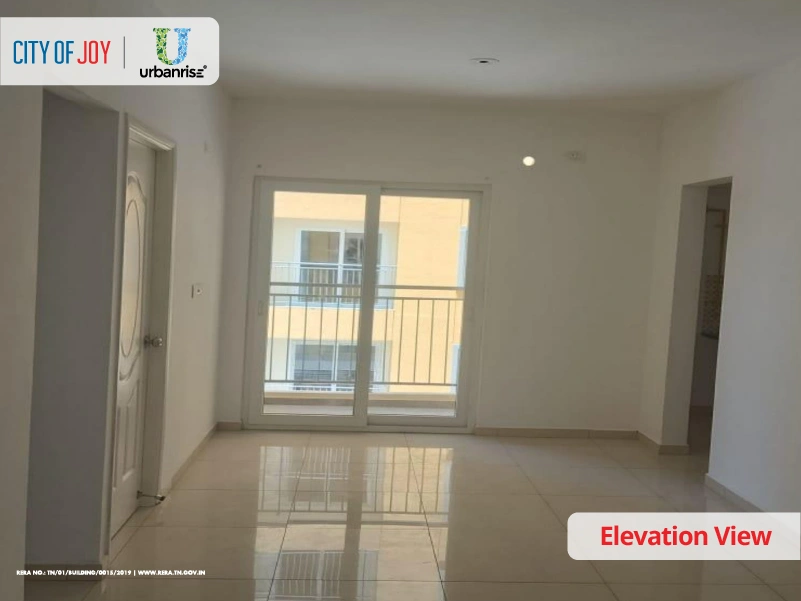
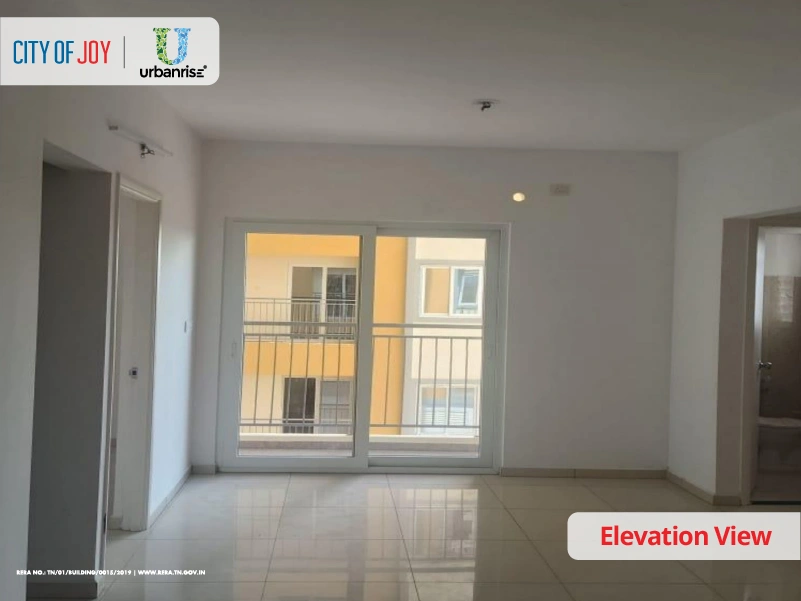
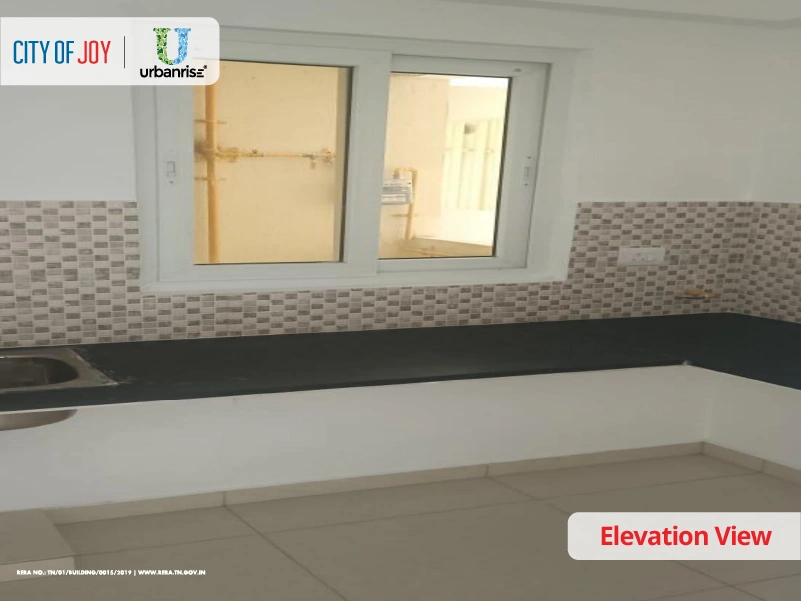
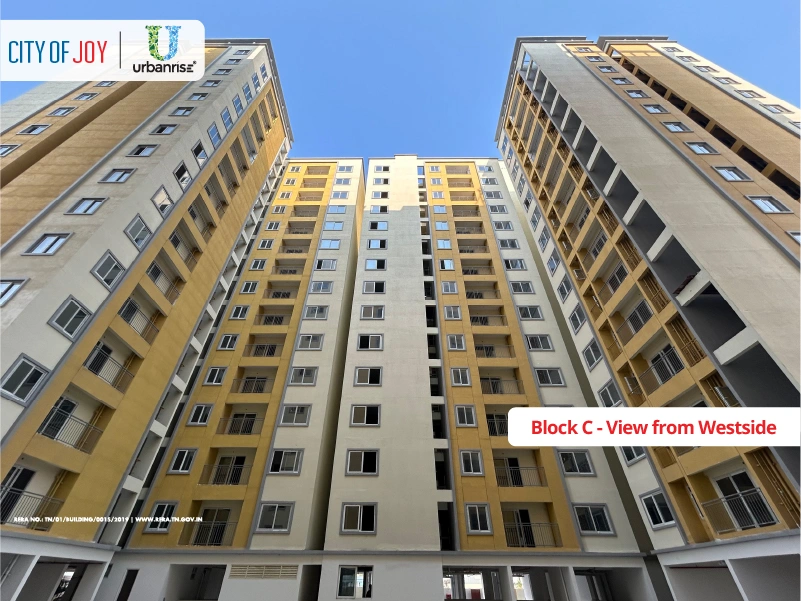
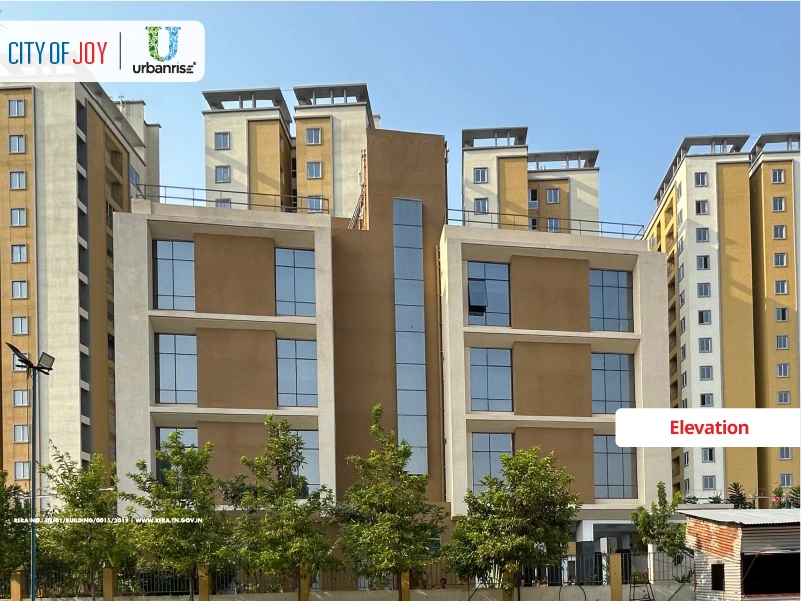
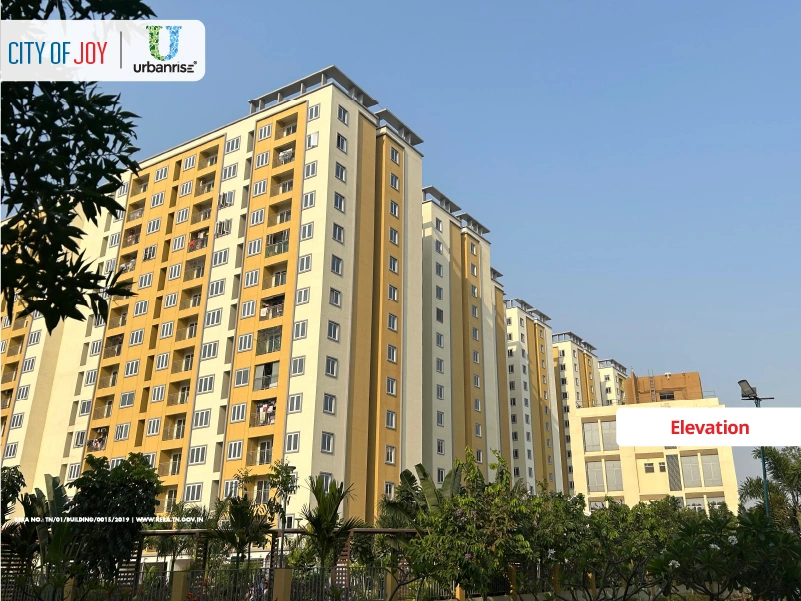
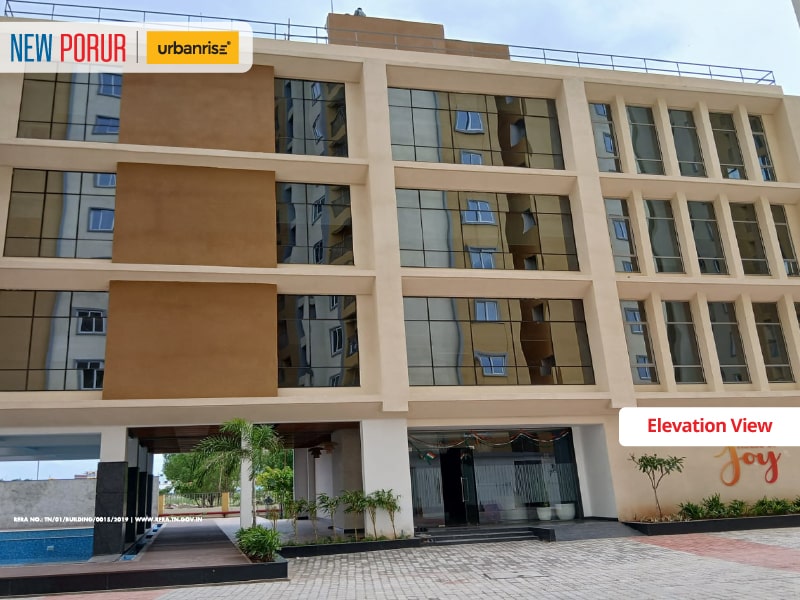
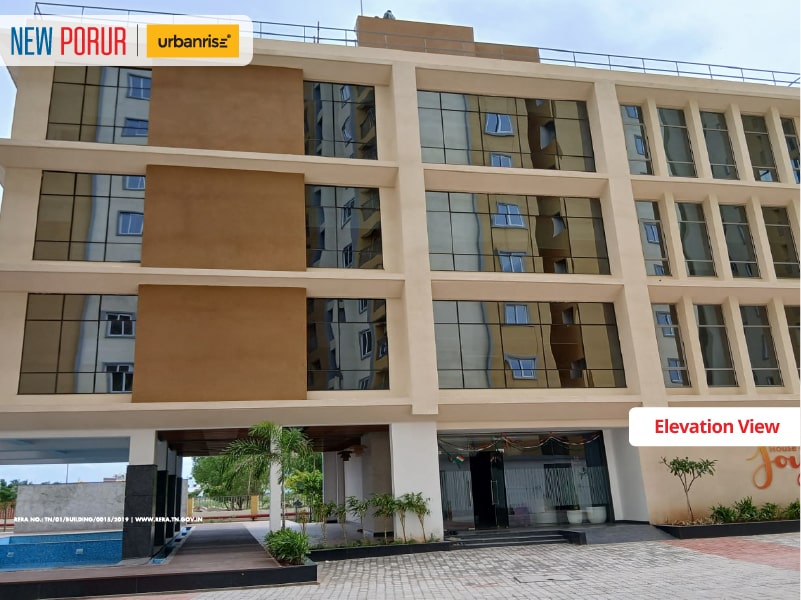
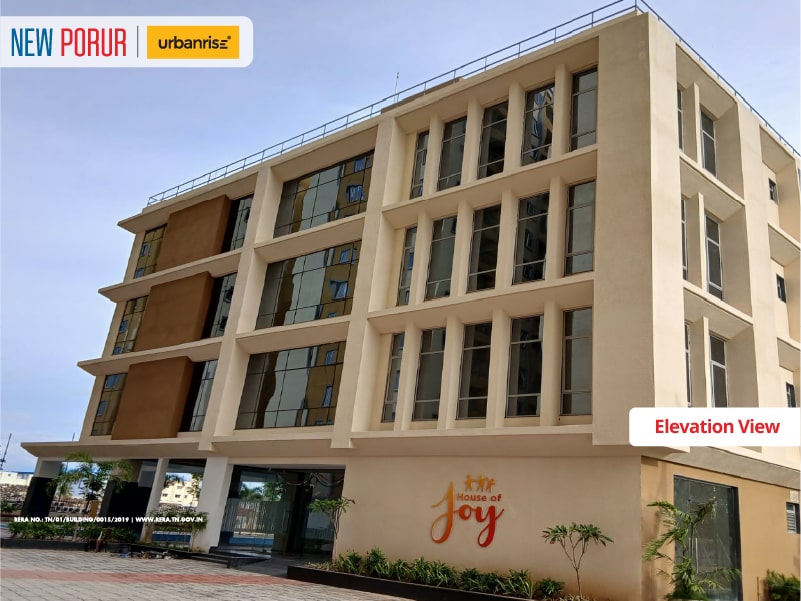
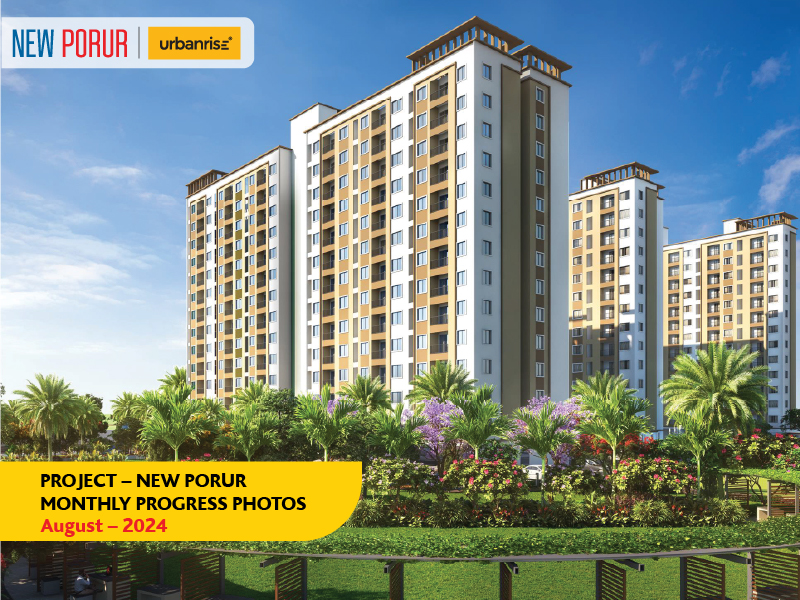
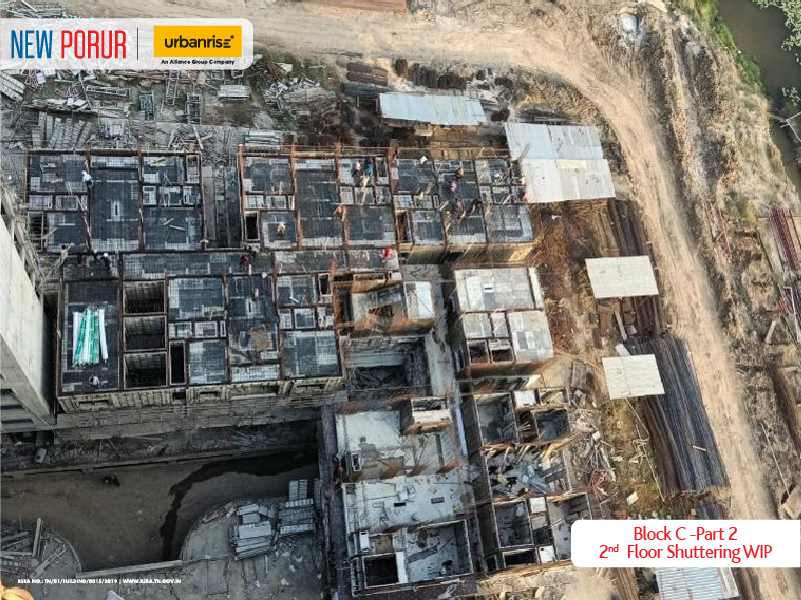
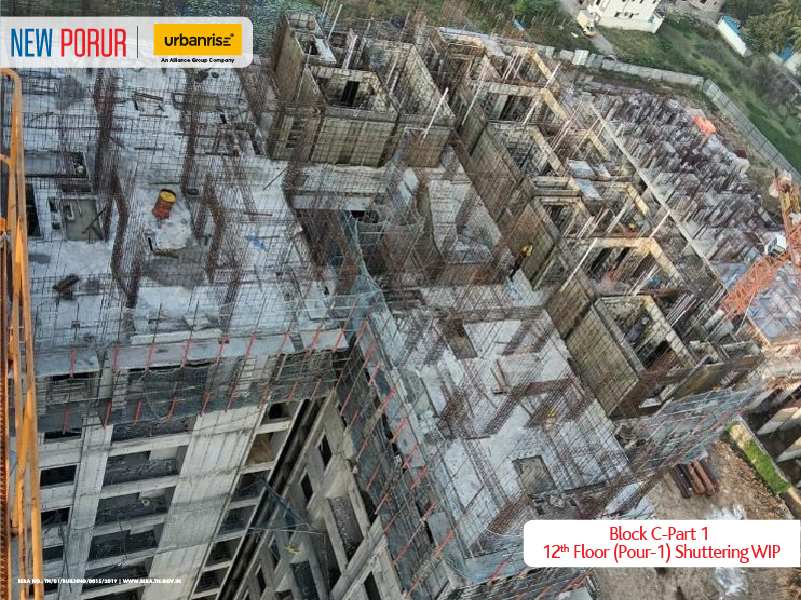
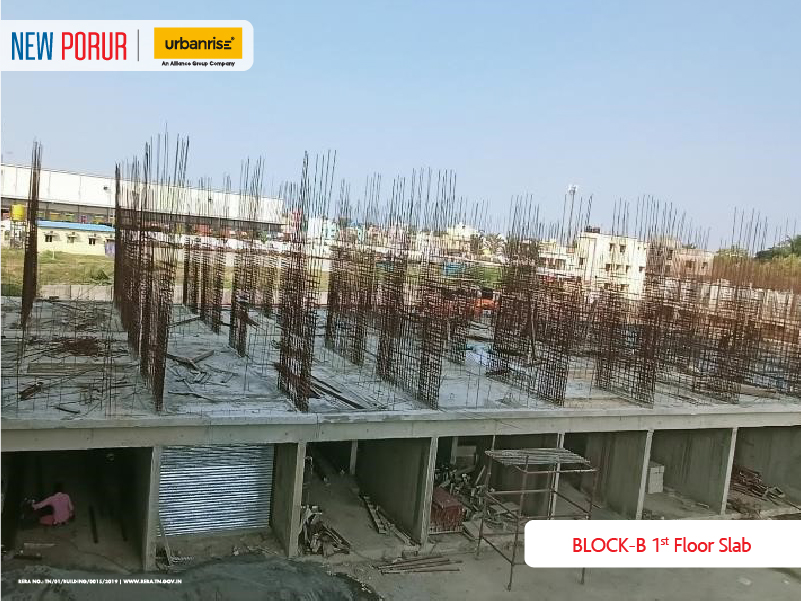
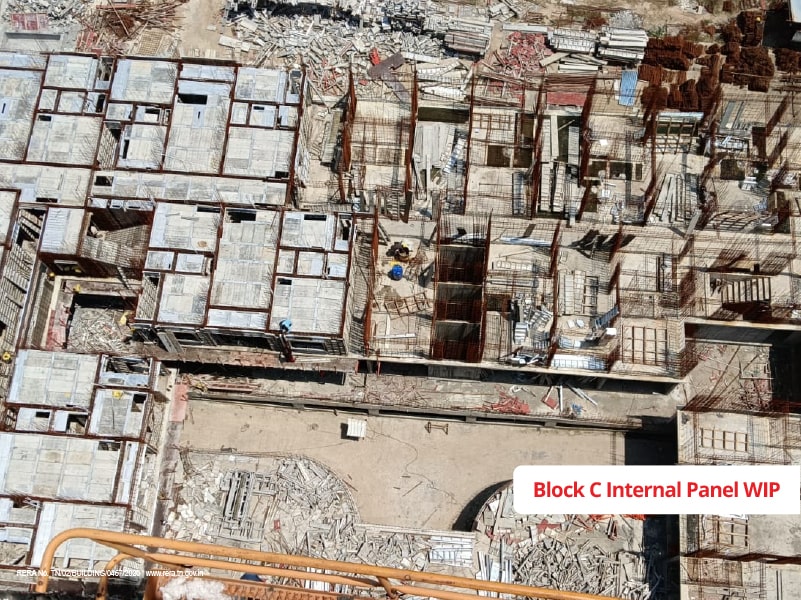
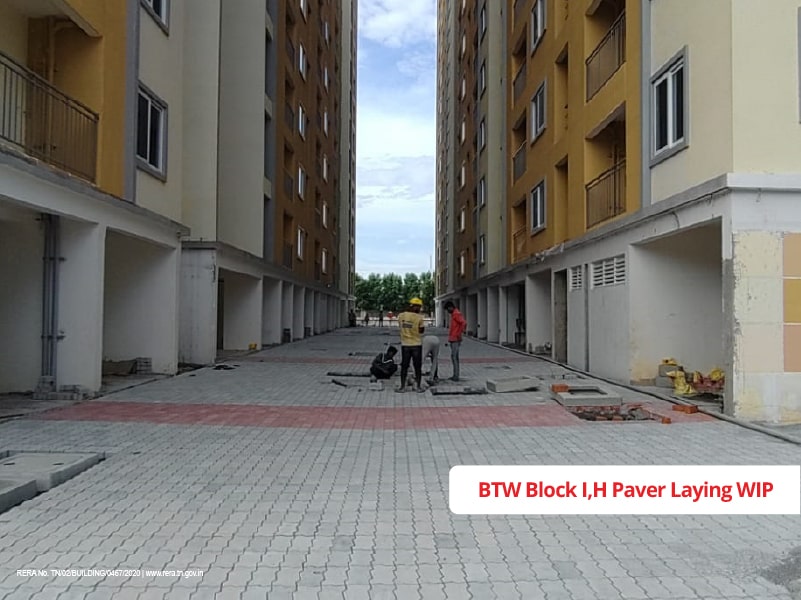
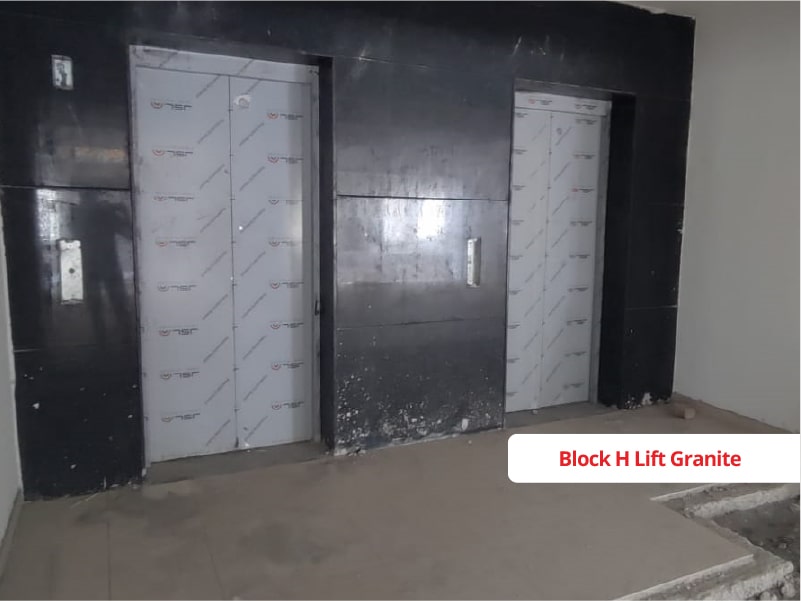
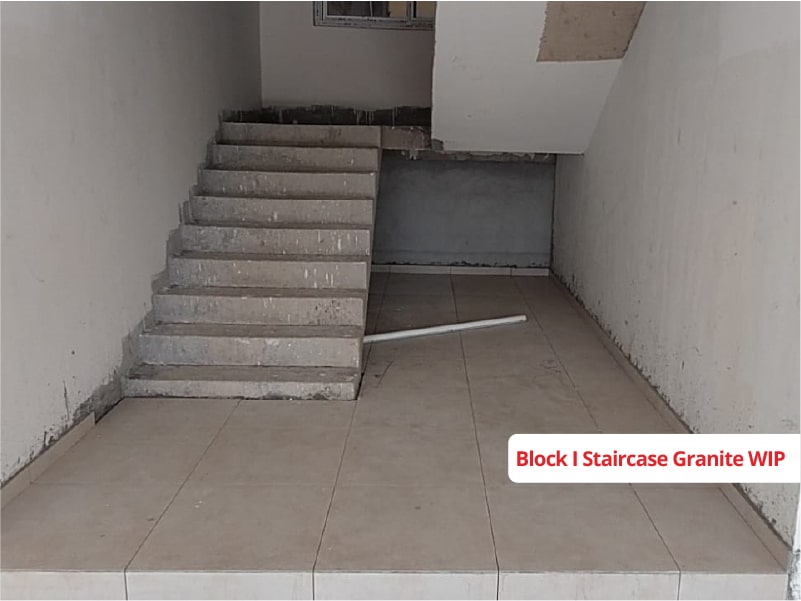
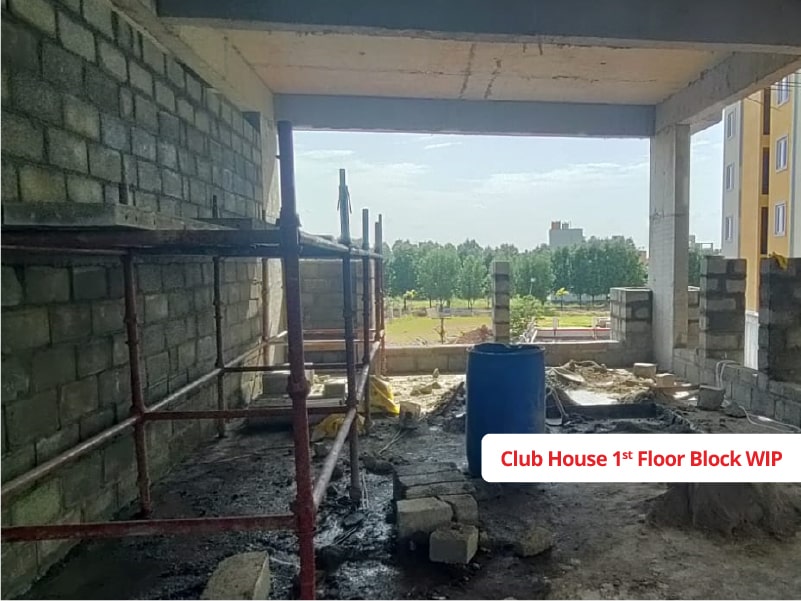
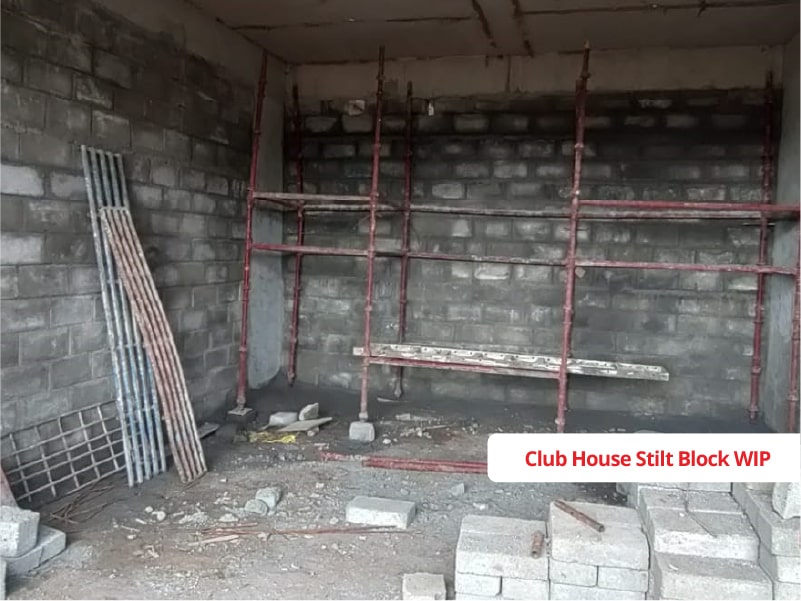
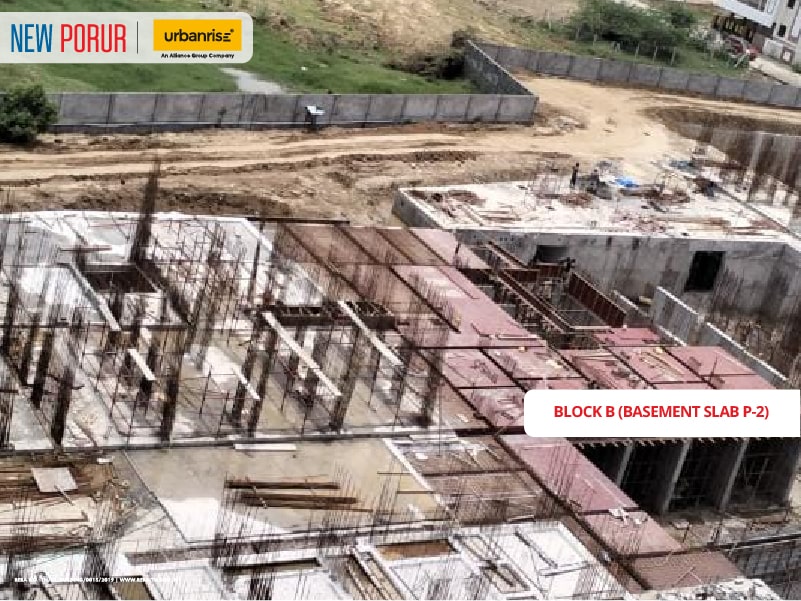
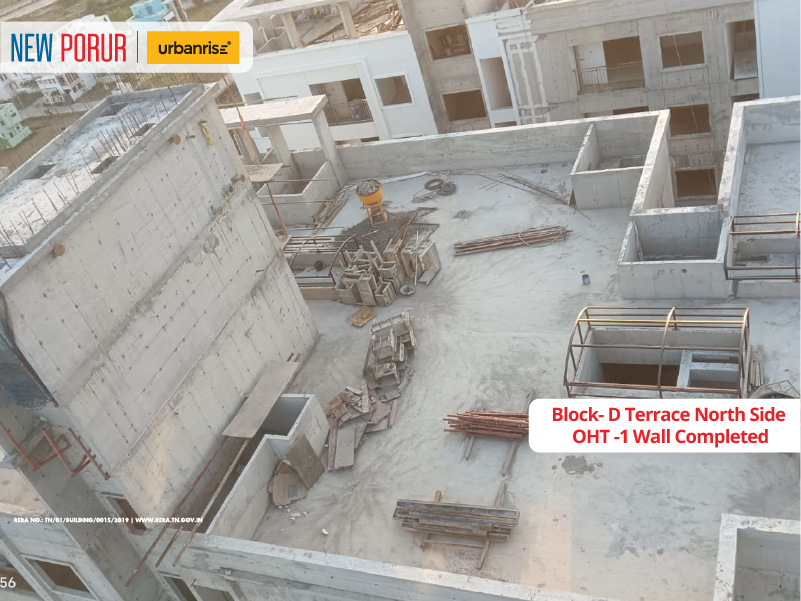
Projects like Urbanrise City of Joy show how a location becomes future-ready when infrastructure, connectivity, and planned development come together. Located in Thirumazhisai, the project reflects the shift from a peripheral area to a structured residential corridor.
Key elements that align with future-ready growth:
-
Strategic Connectivity -Located near the Outer Ring Road and Chennai–Bengaluru Highway, the project offers direct access to industrial zones and employment hubs. Upcoming metro connectivity and the proposed Kuthambakkam bus terminus further strengthen long-term accessibility.
-
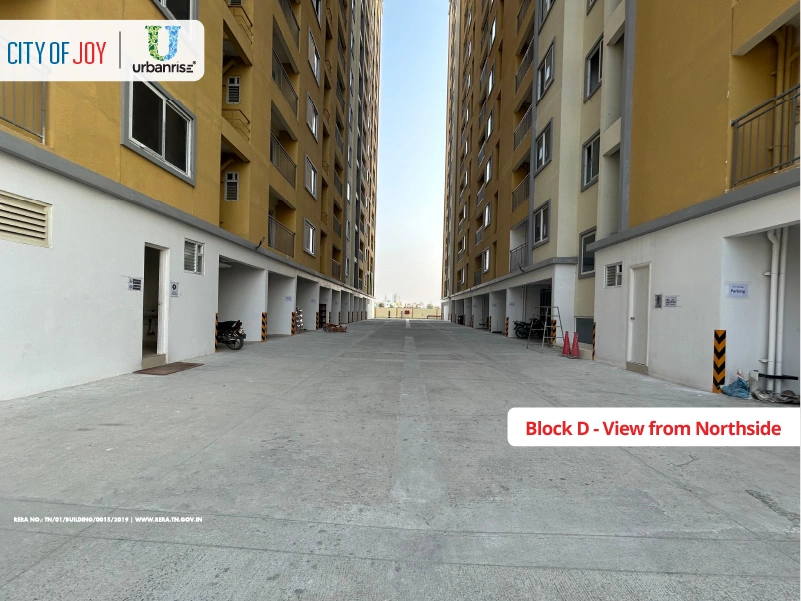
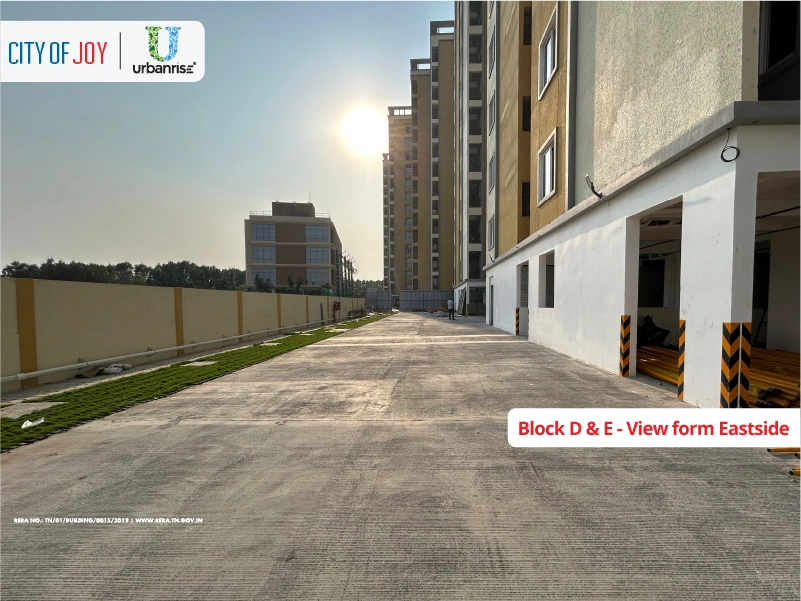
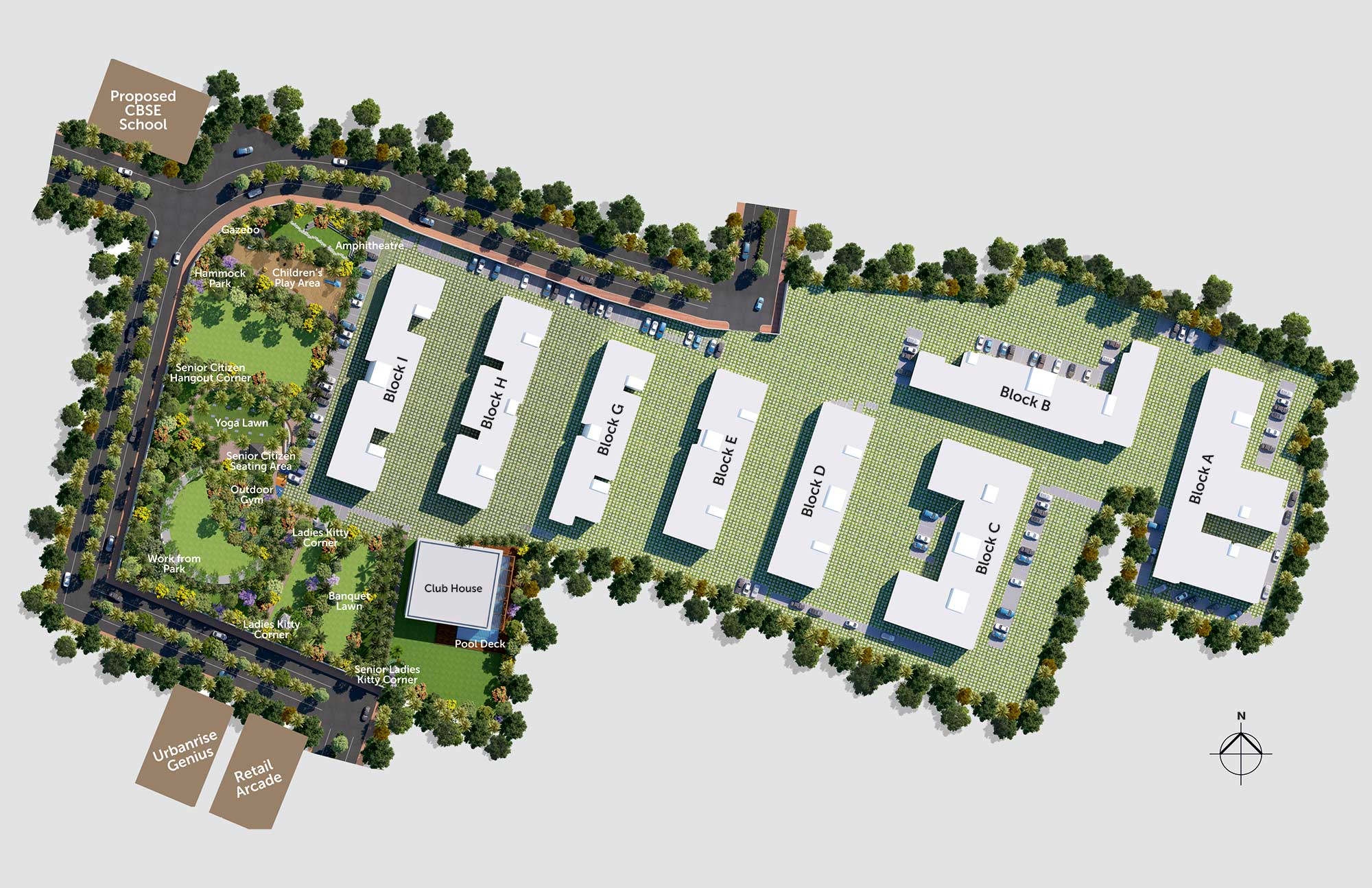
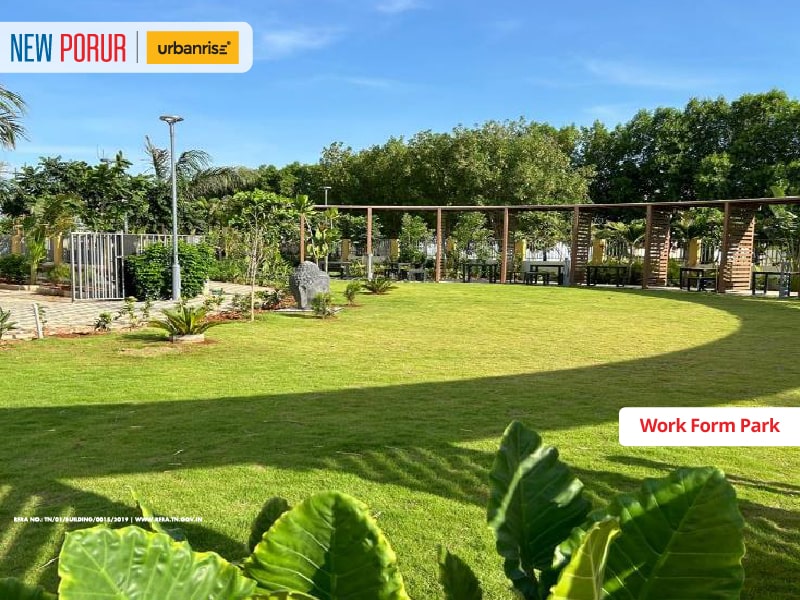
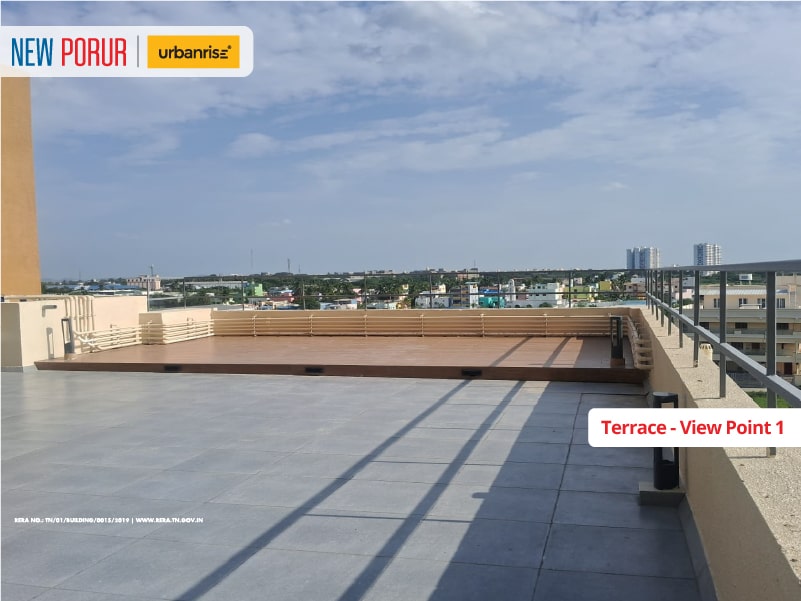
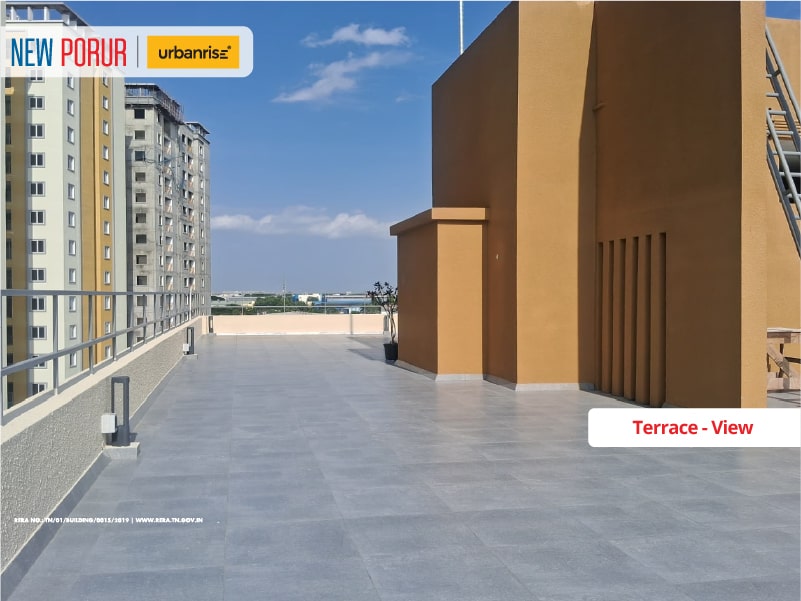
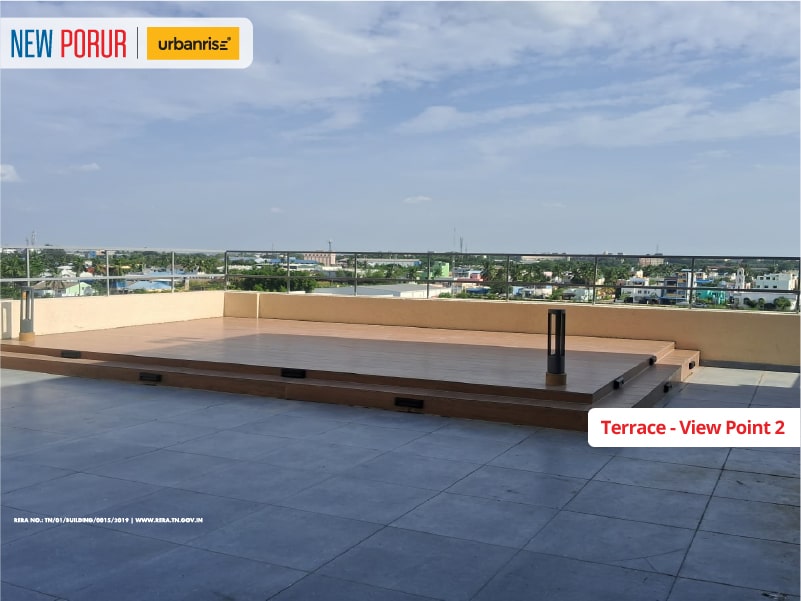
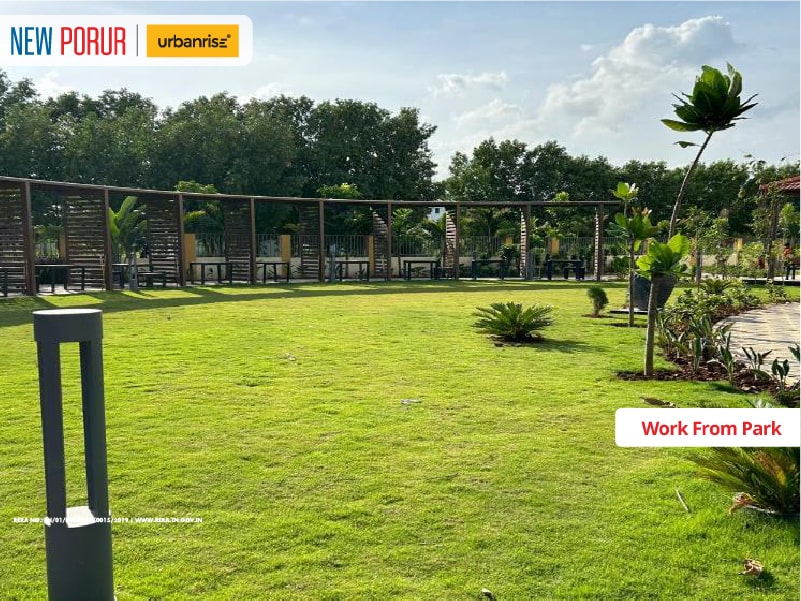
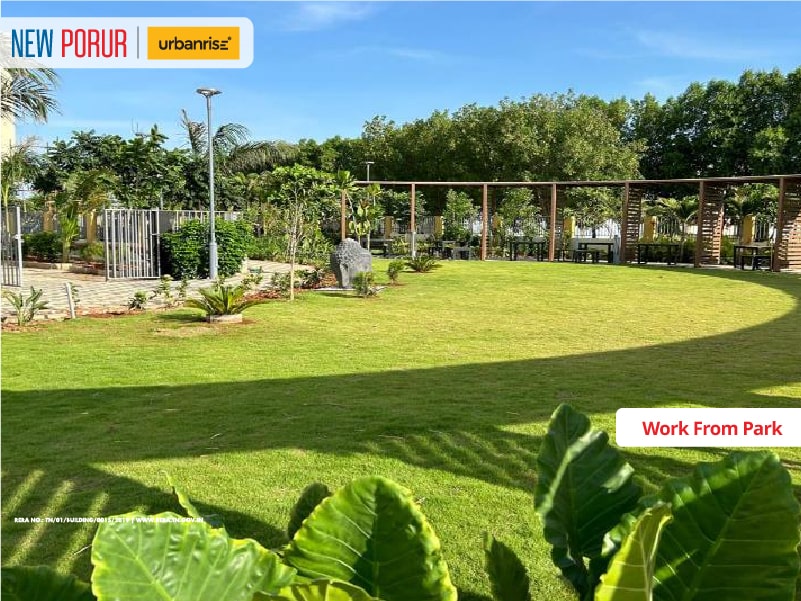
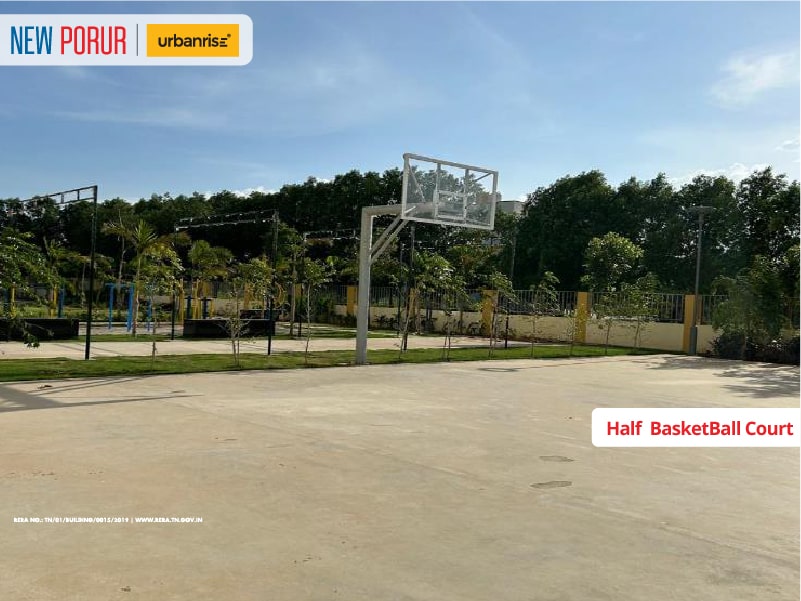
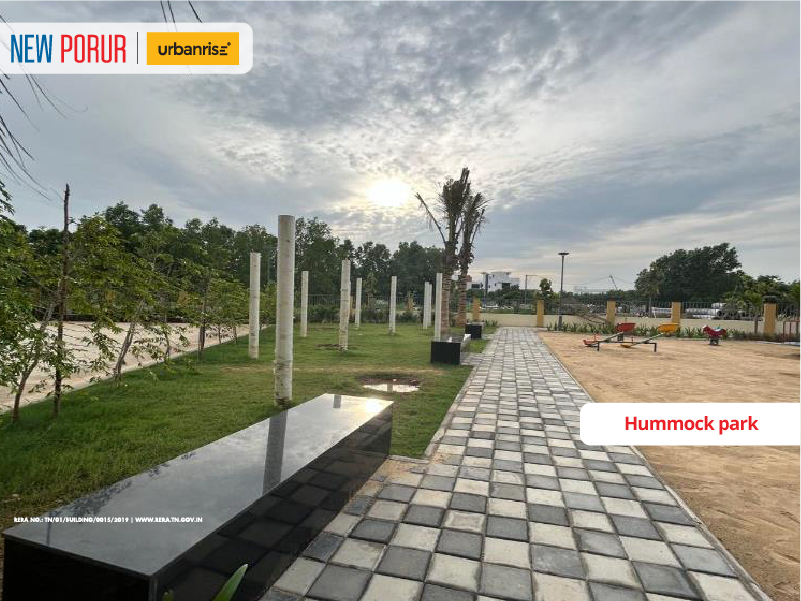
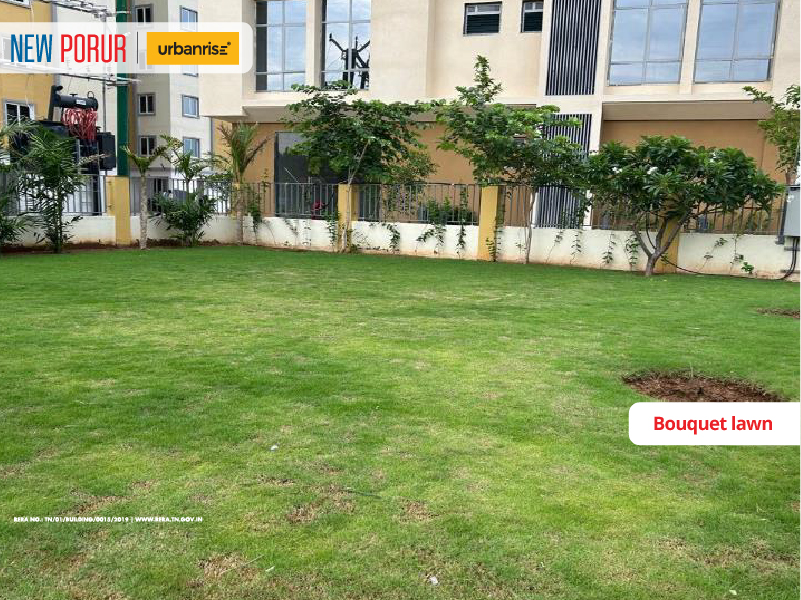
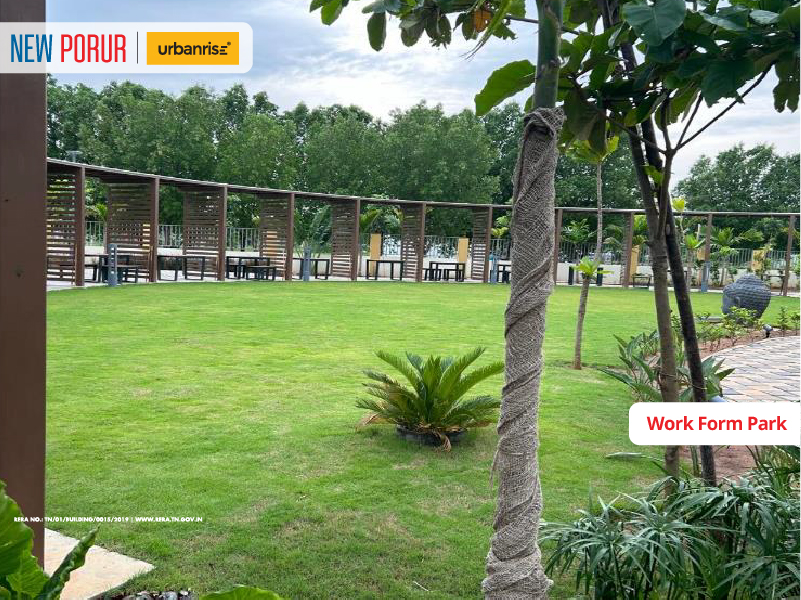
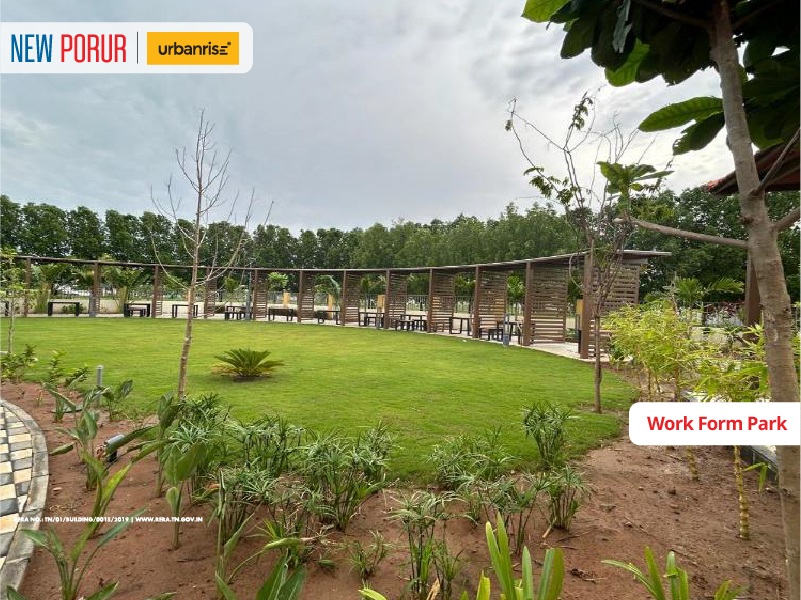
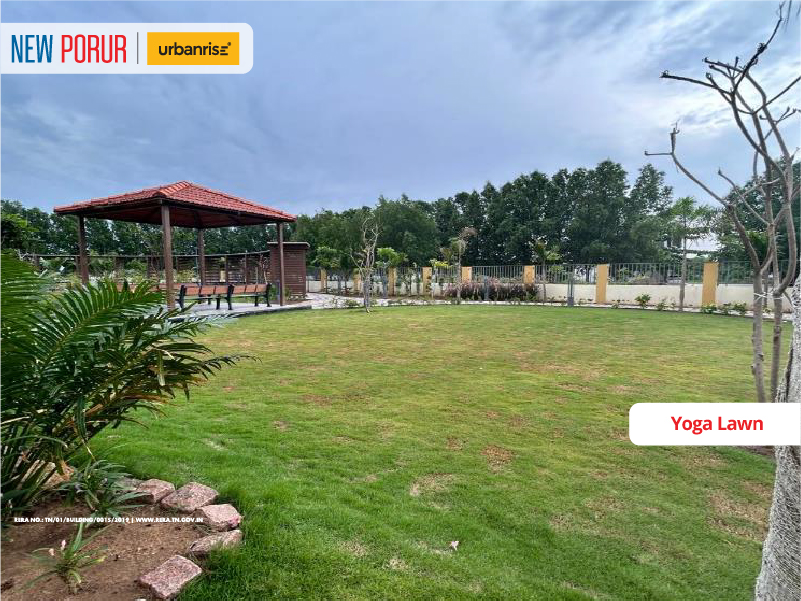
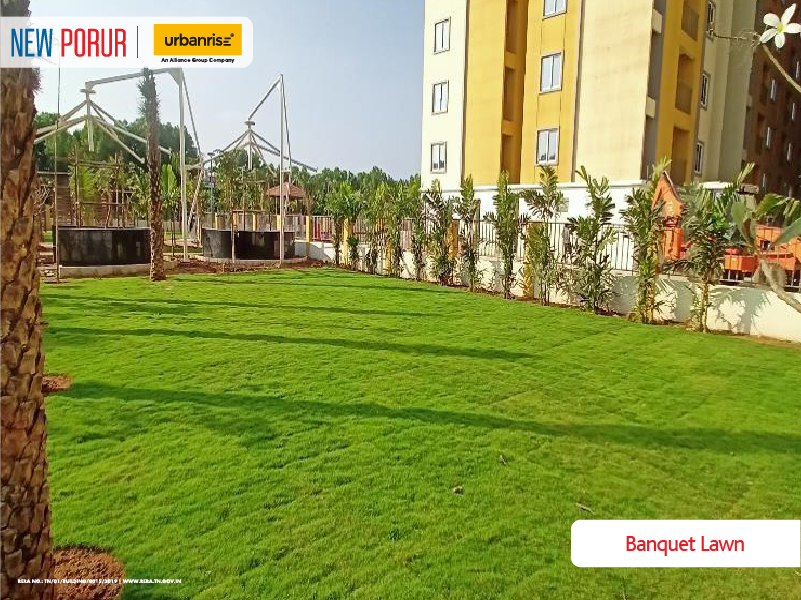
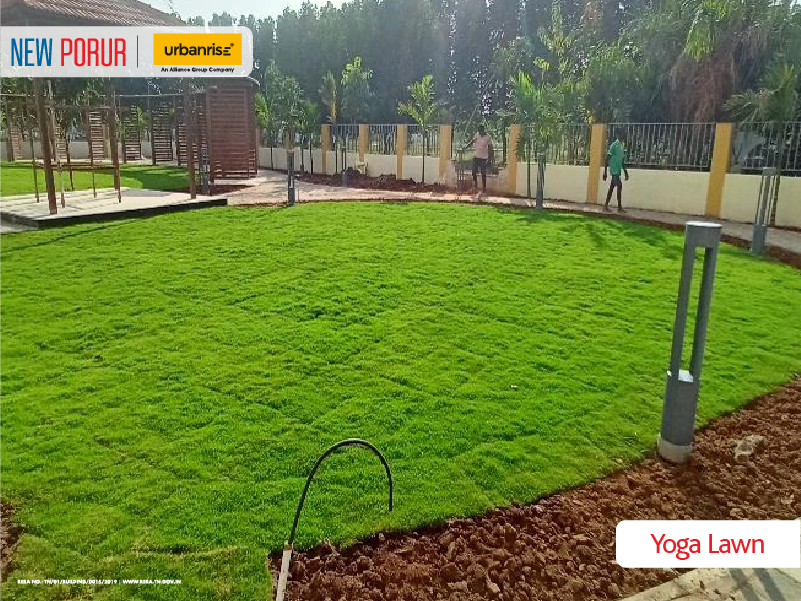
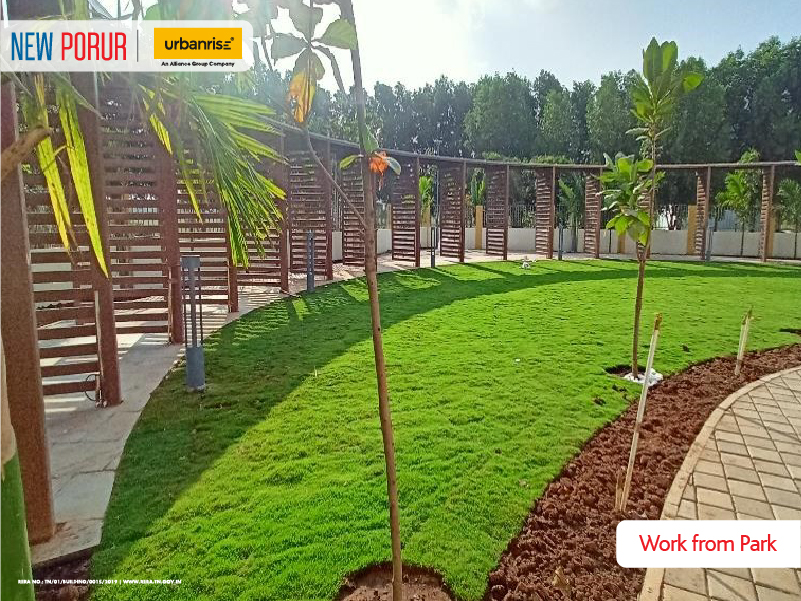
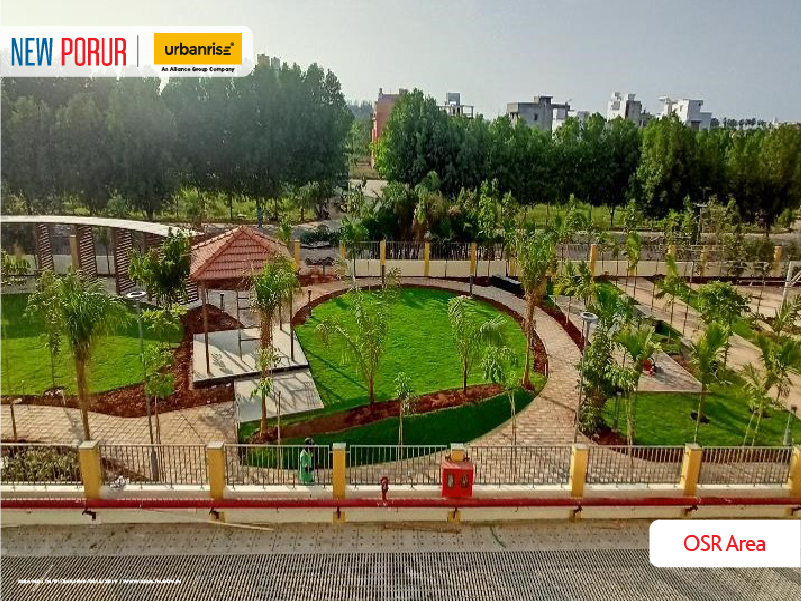
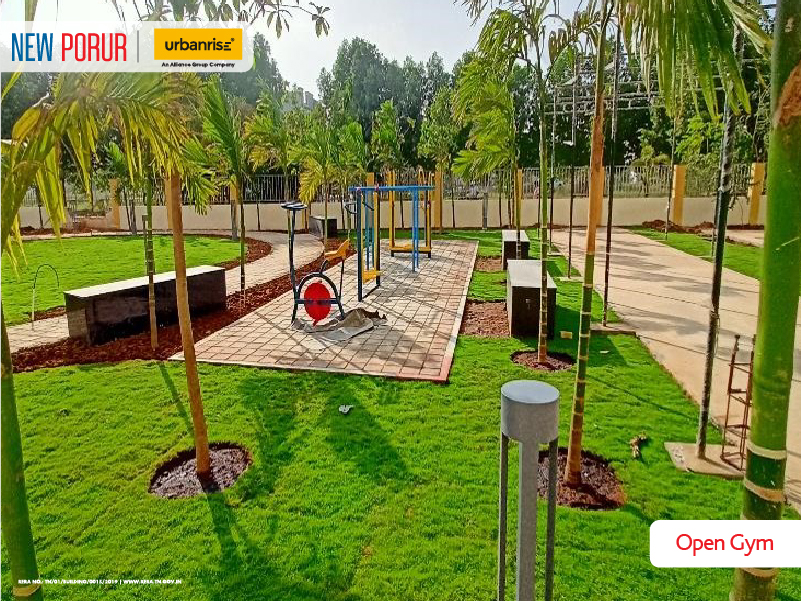
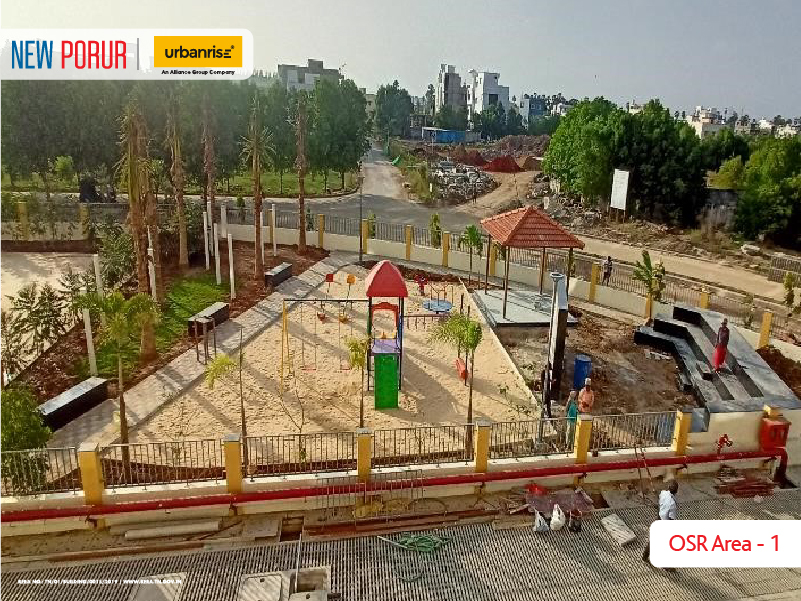
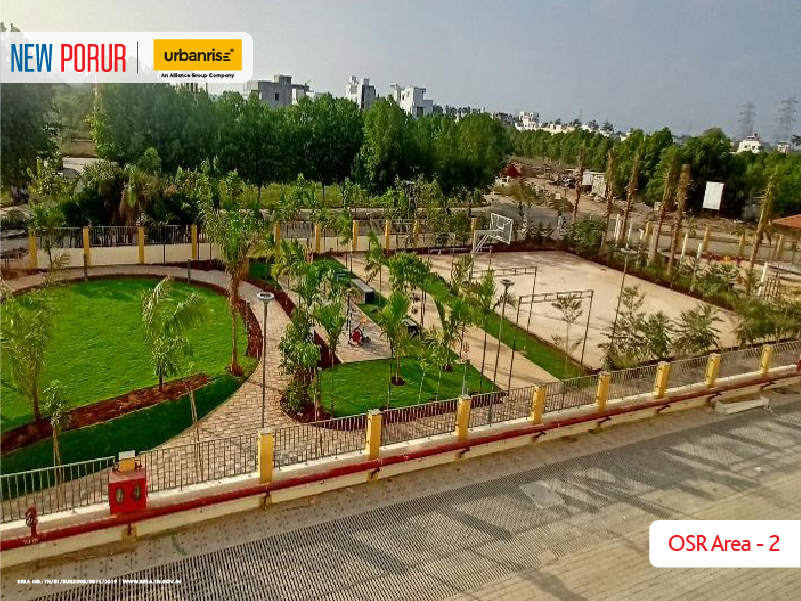
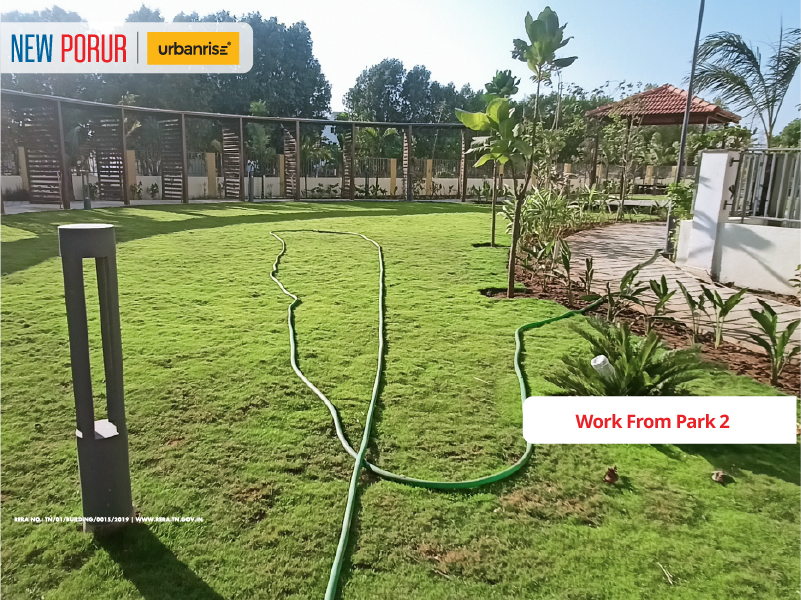
Low-Density, High Livability Planning – Spread across 7.46 acres with over 70 percent open space, the layout supports better ventilation, reduced congestion, and long-term residential comfort as the area develops.
-
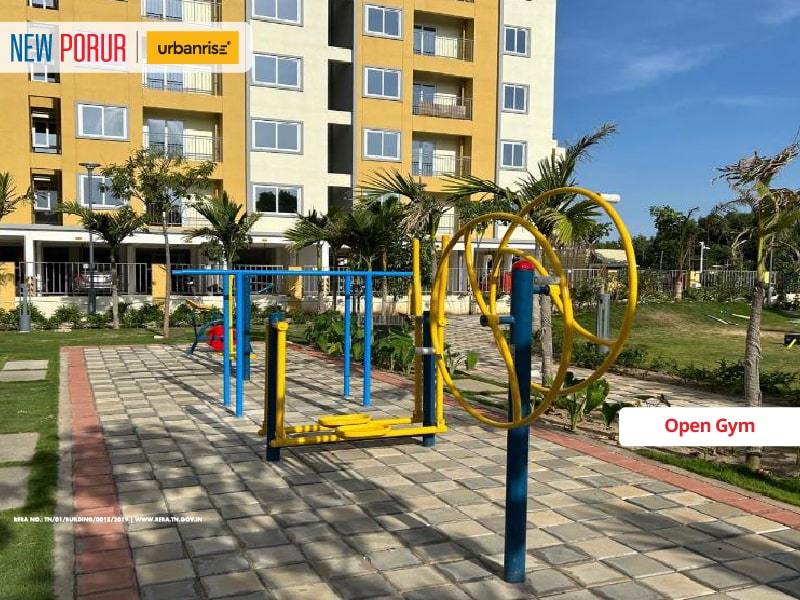
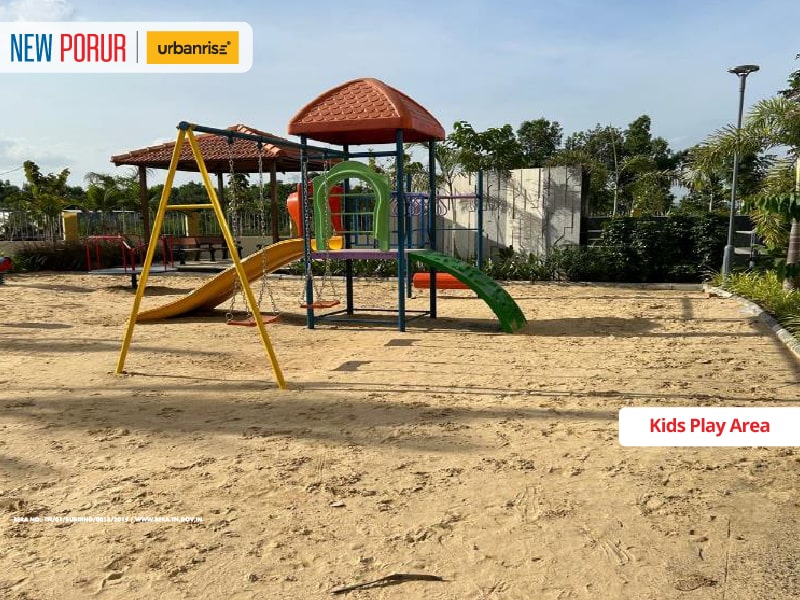
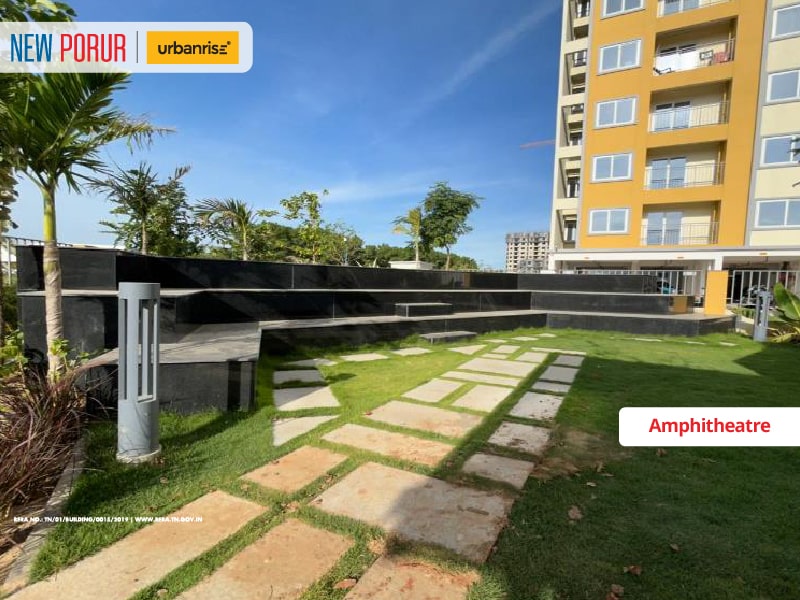
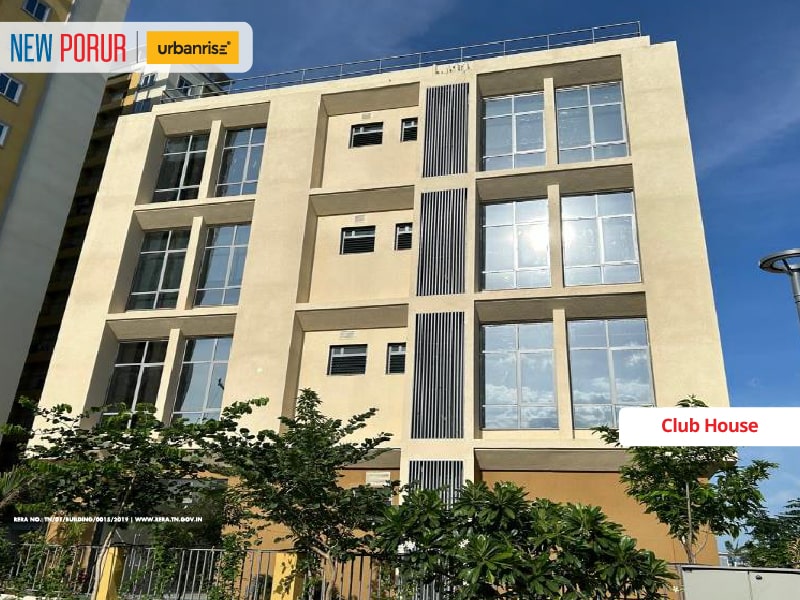
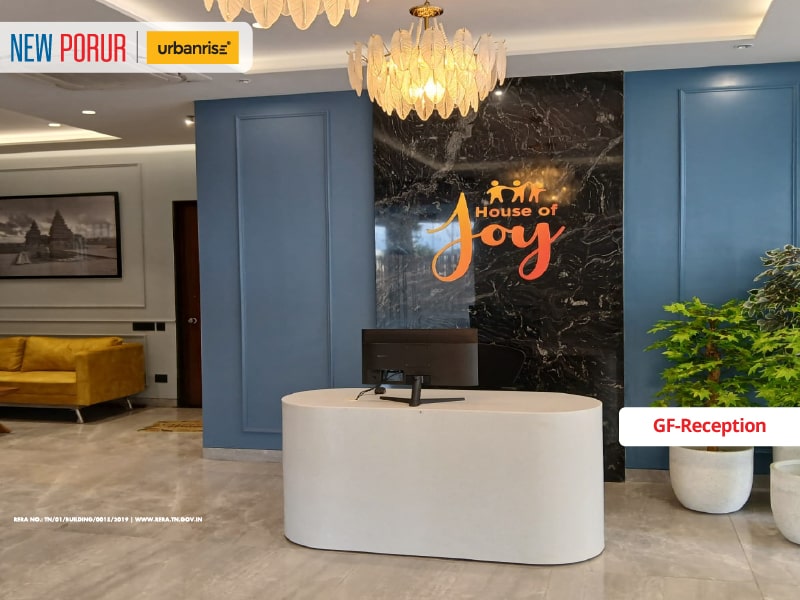
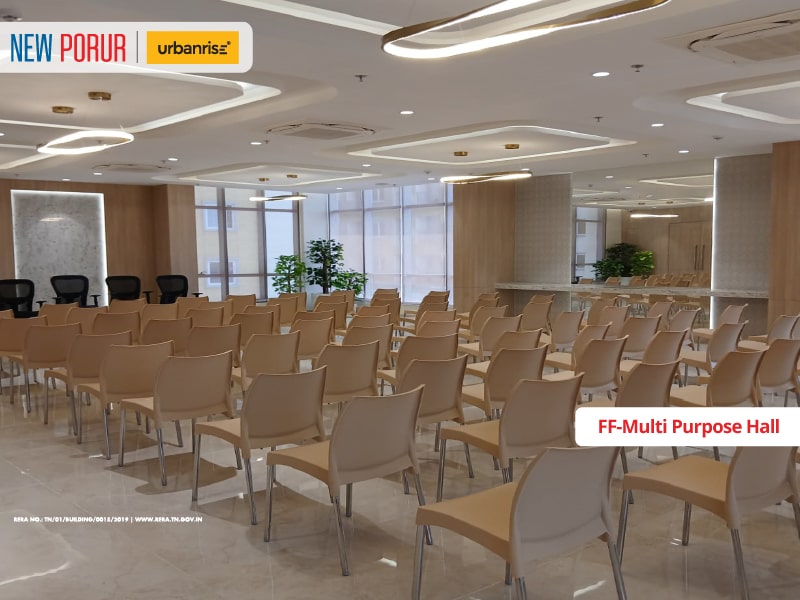
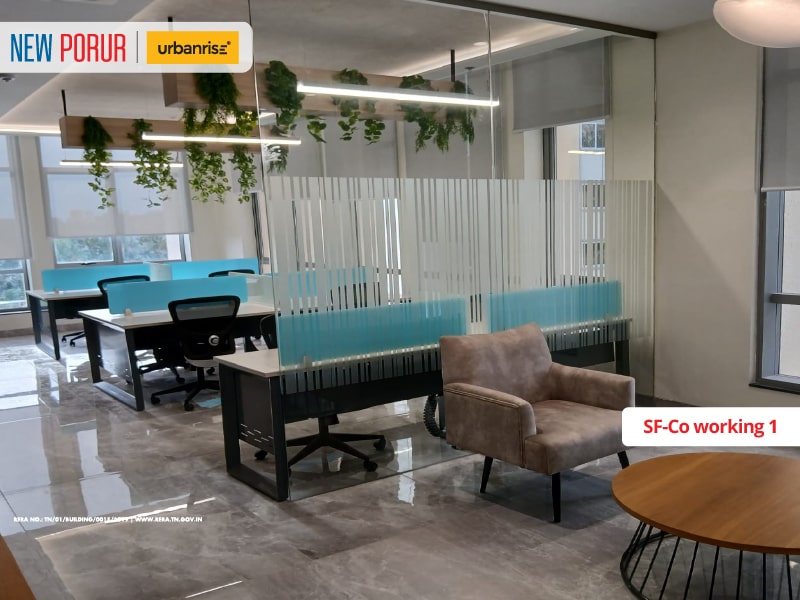
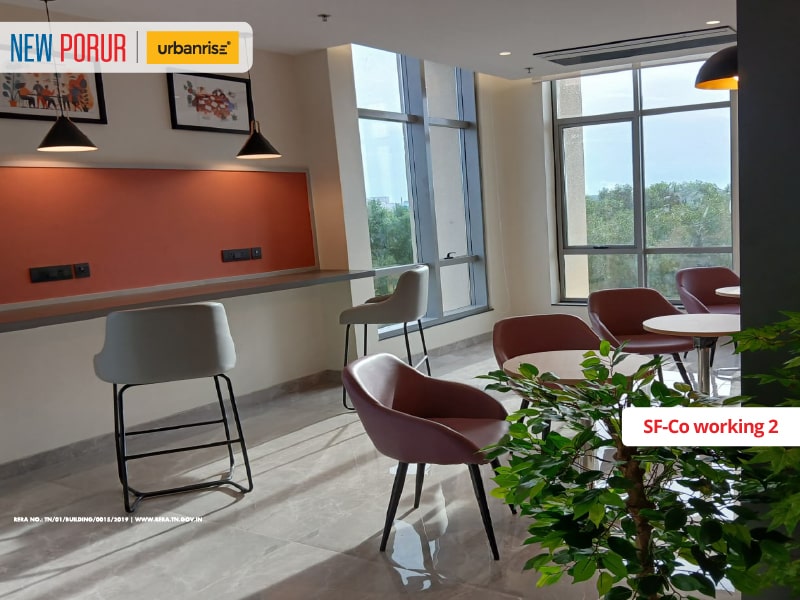
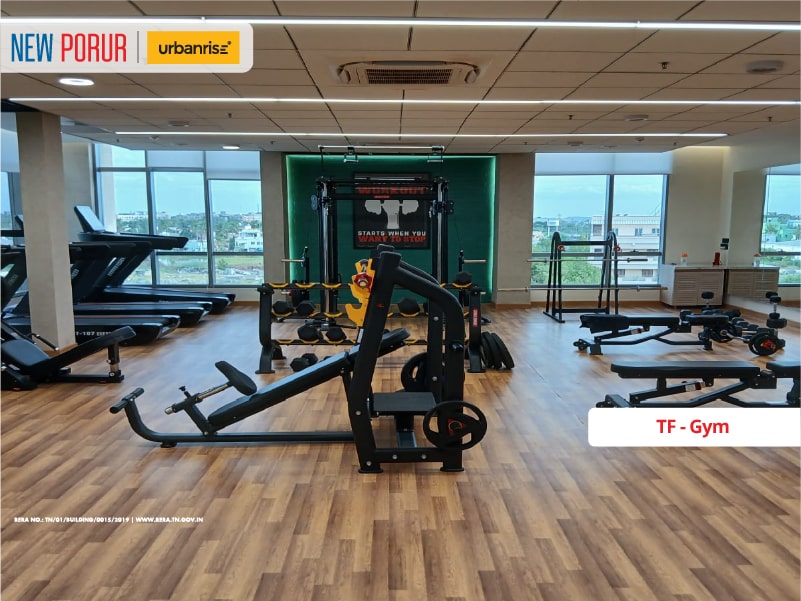
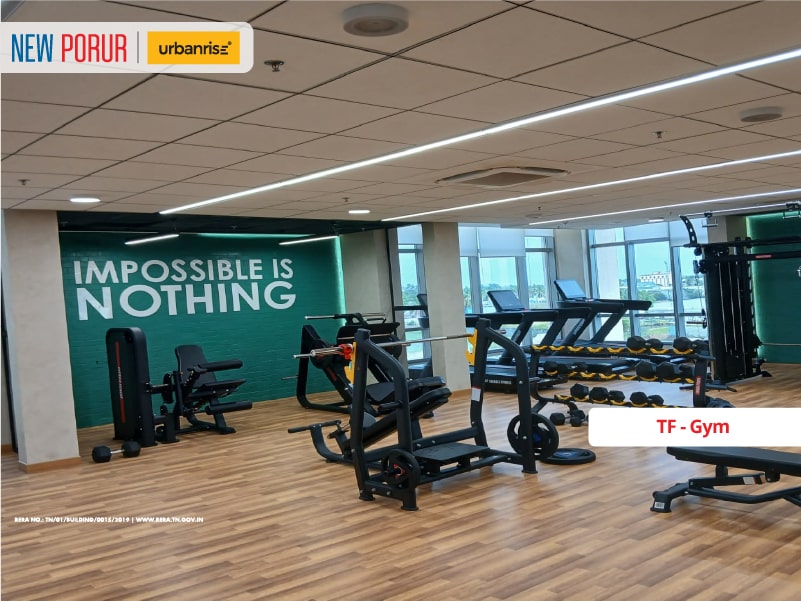
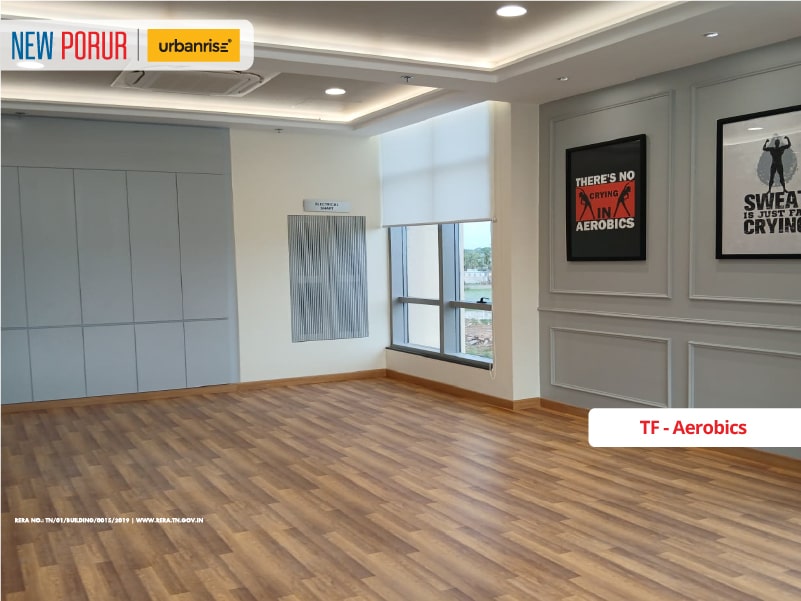
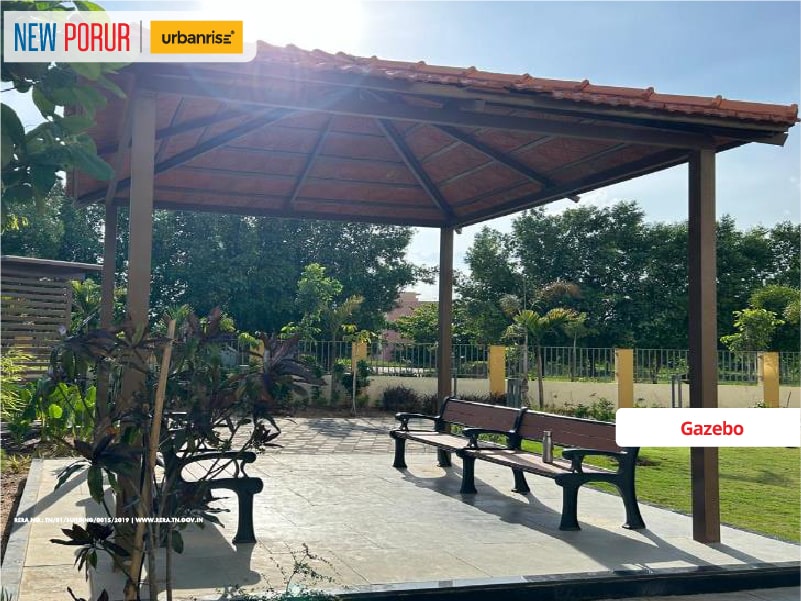
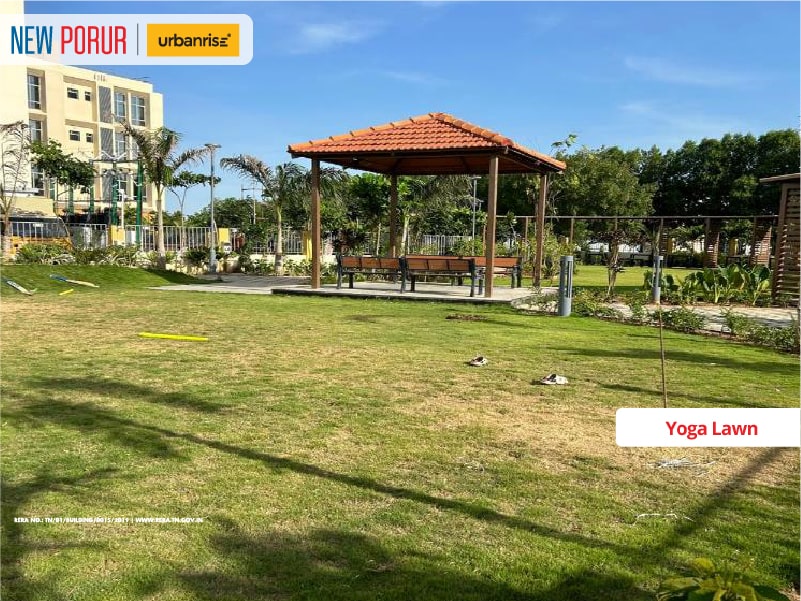
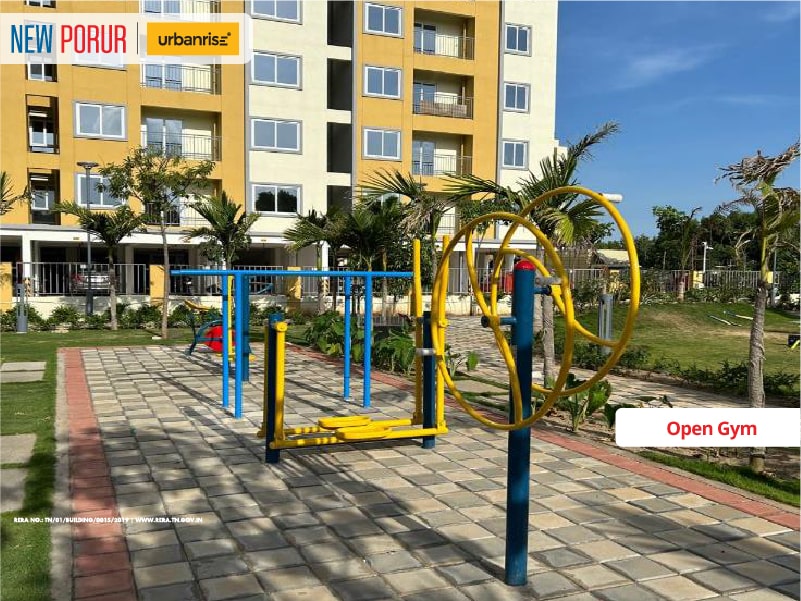
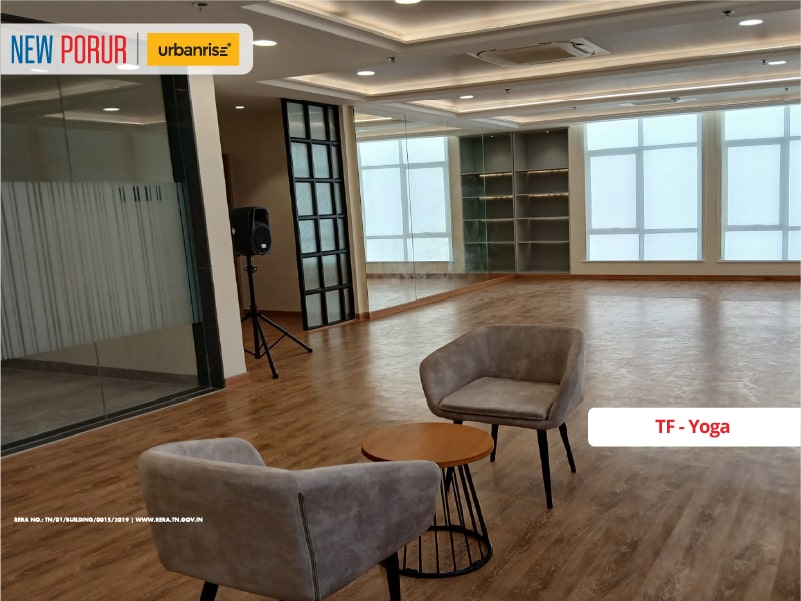
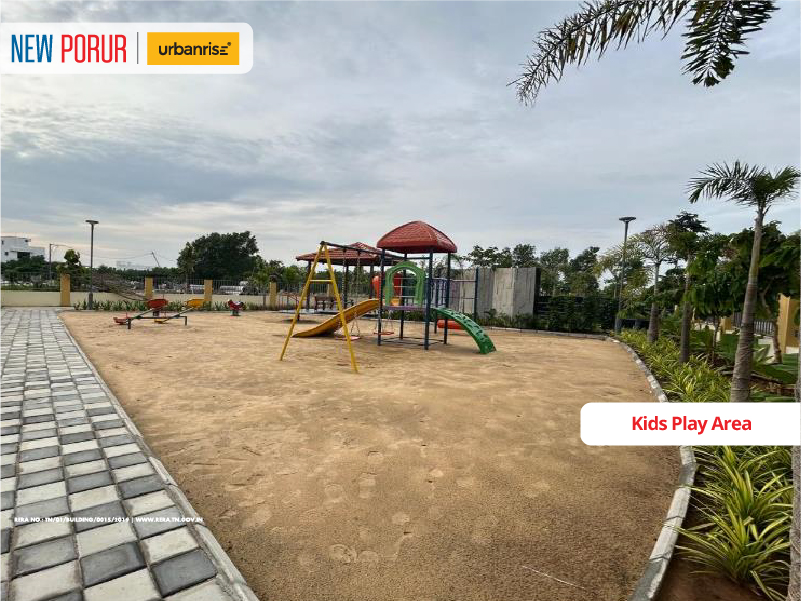
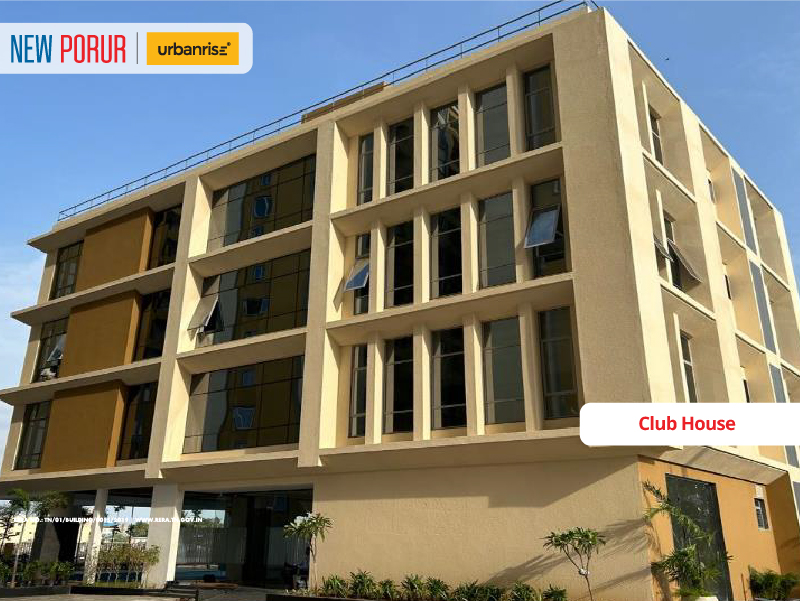
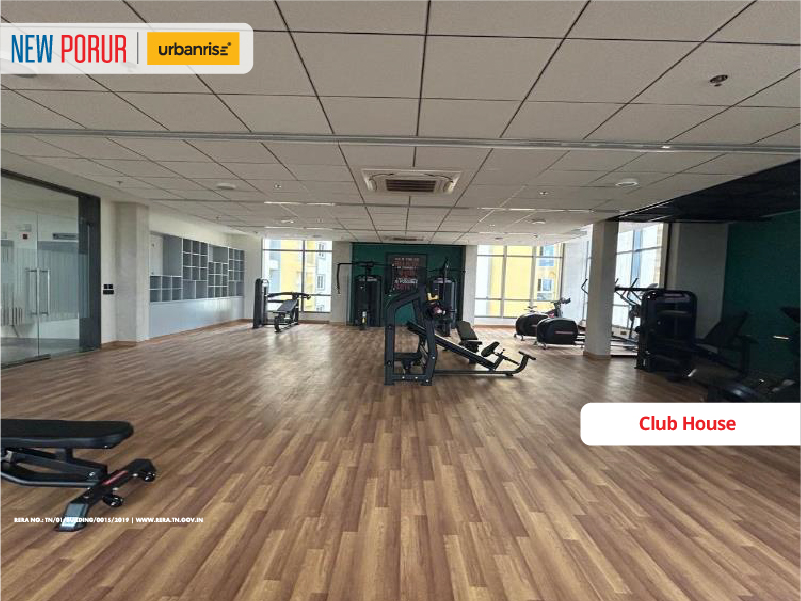
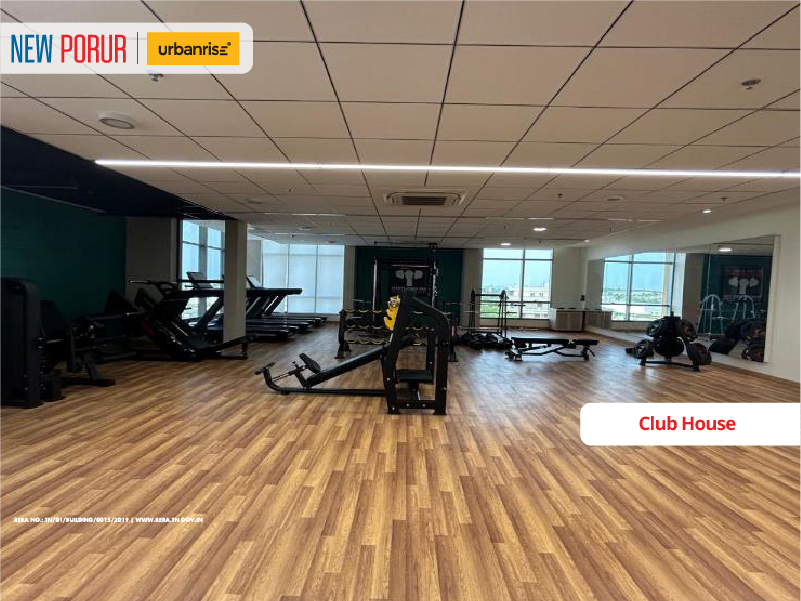
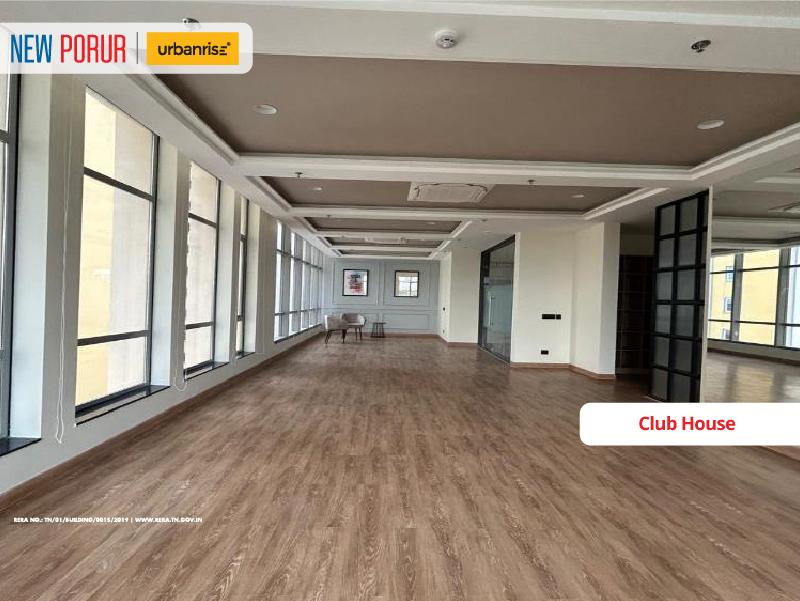
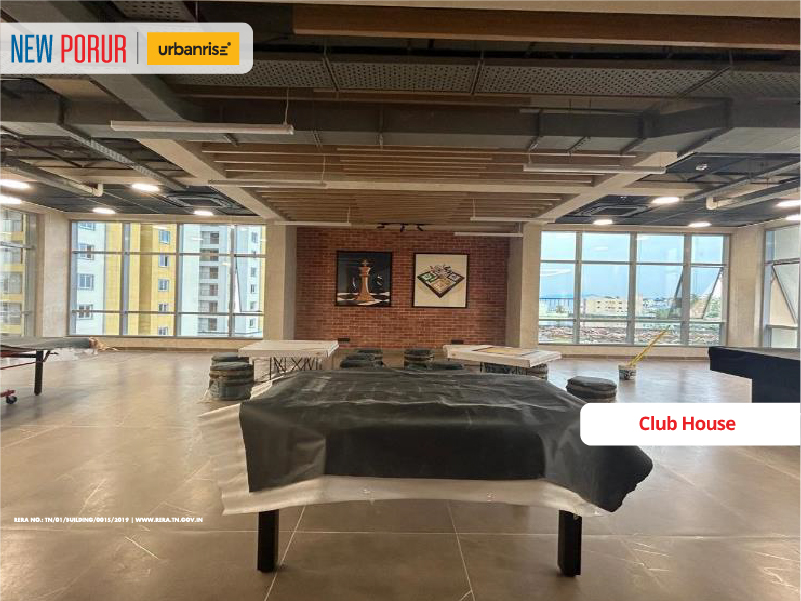
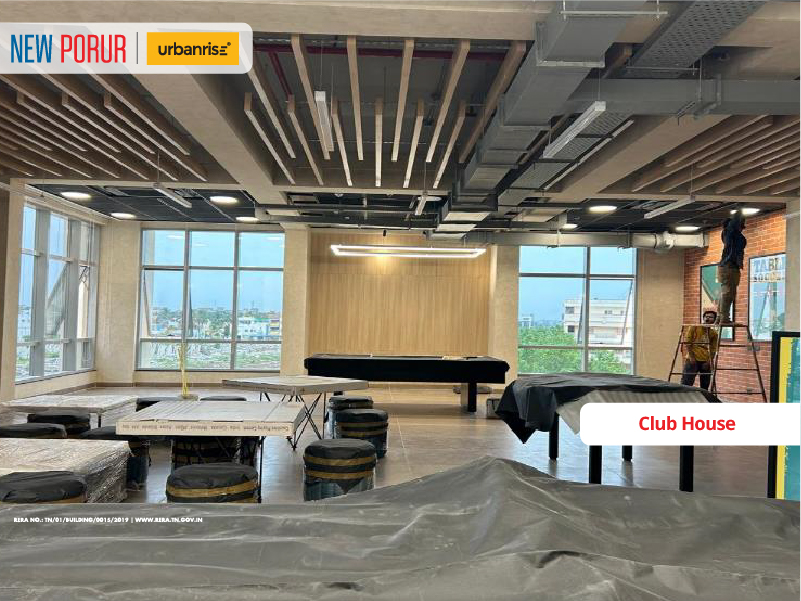
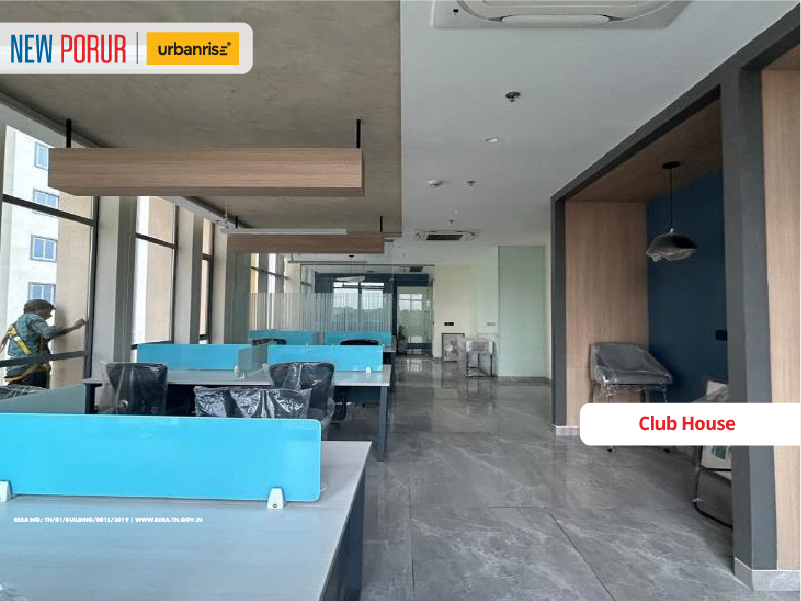
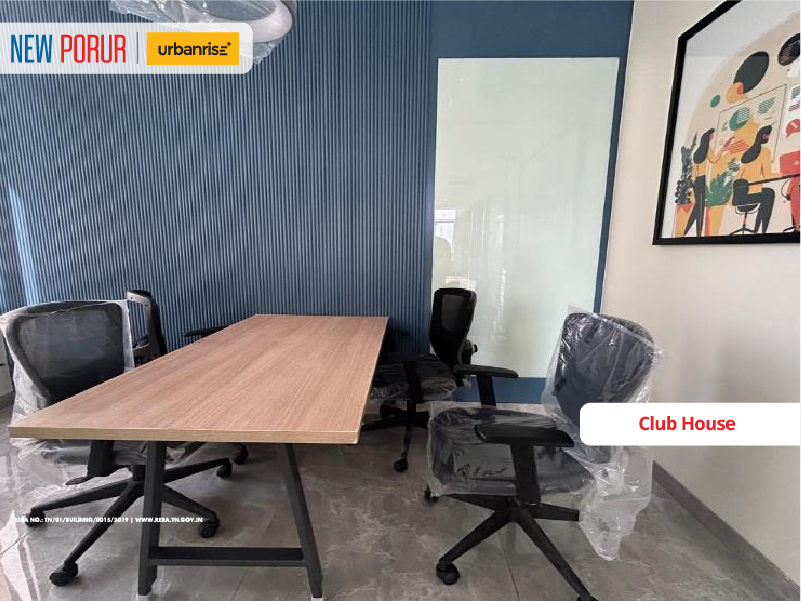
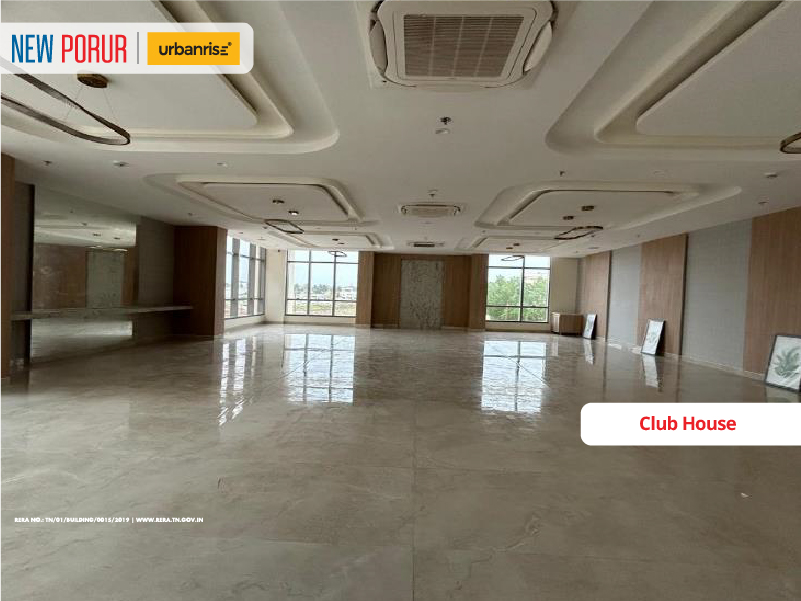
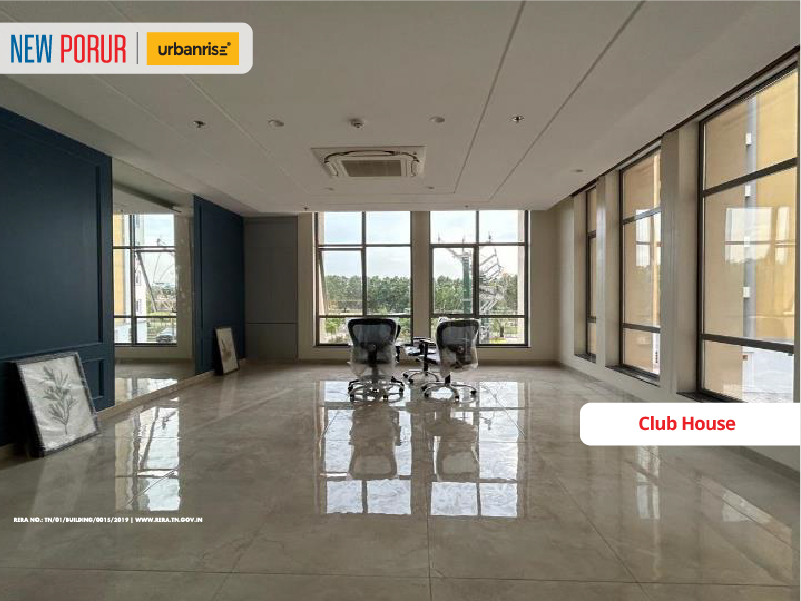
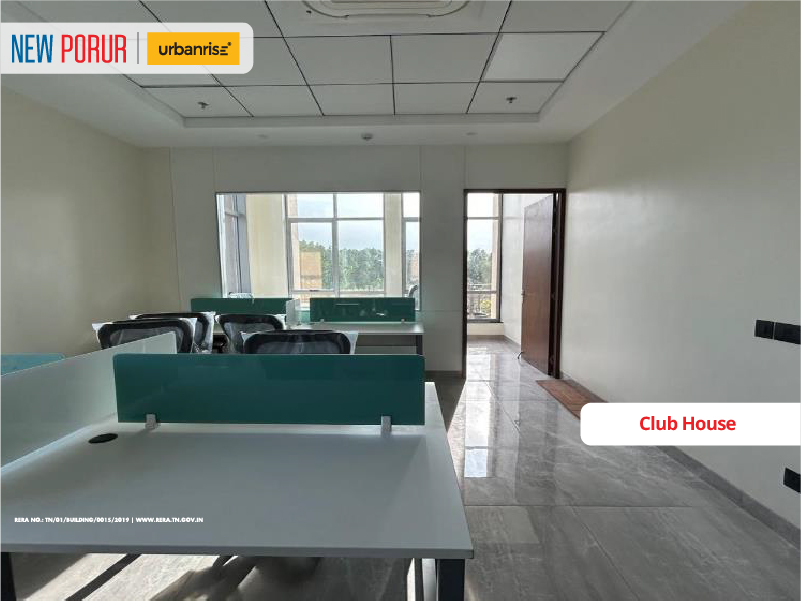
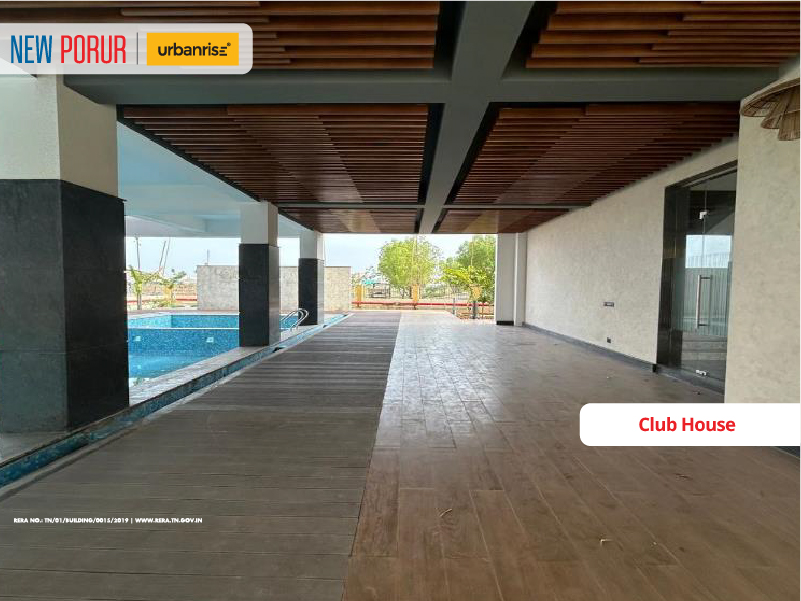
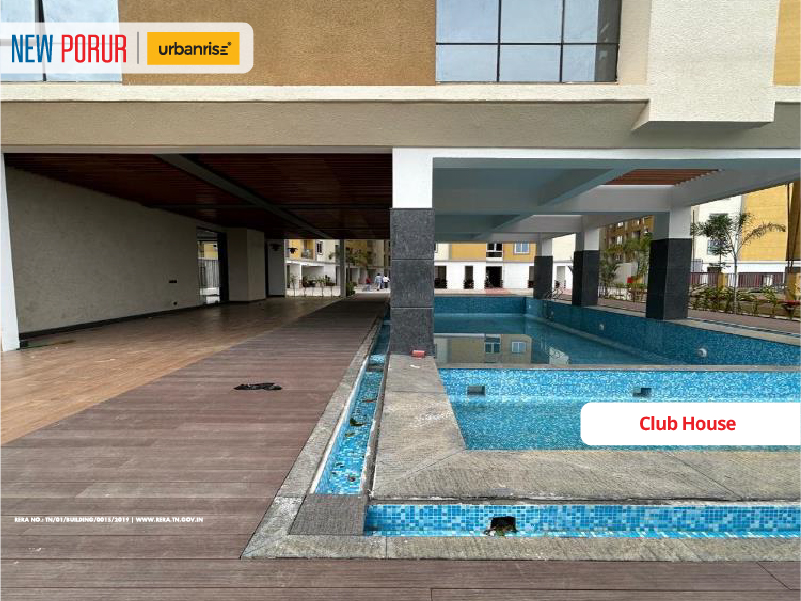
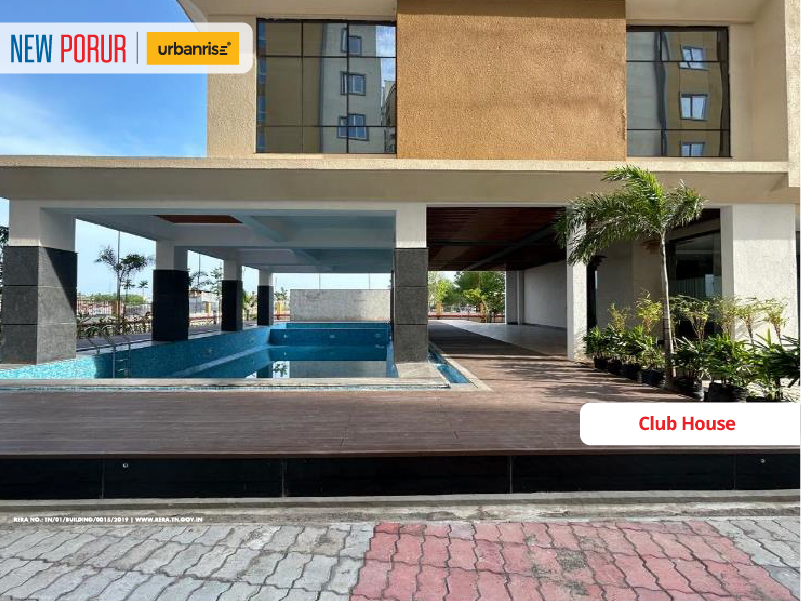
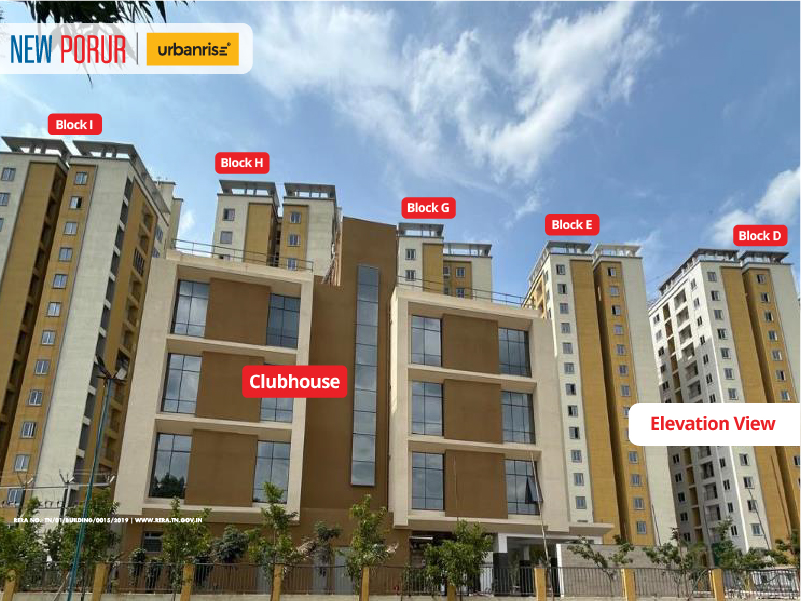
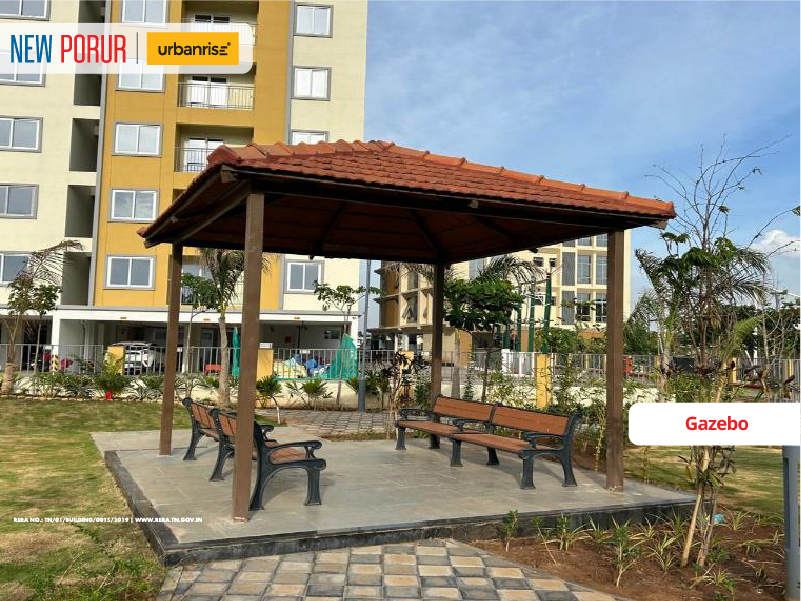
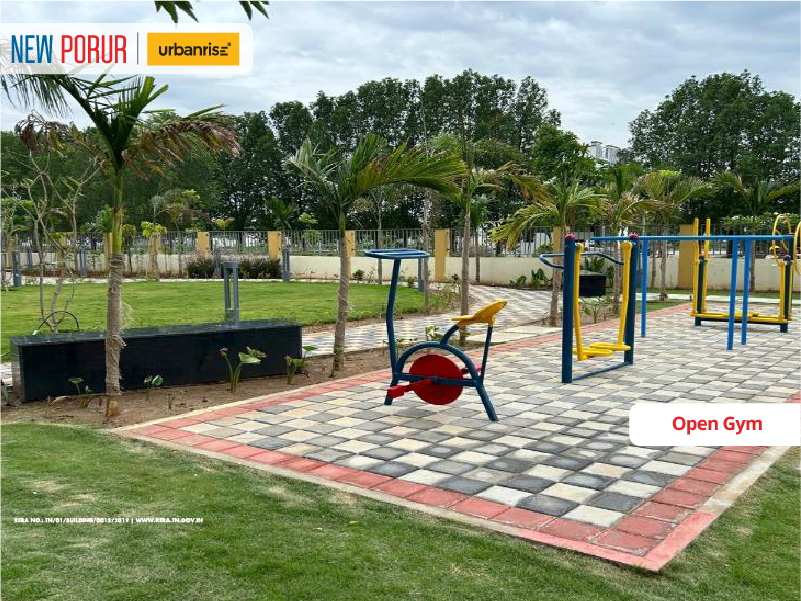
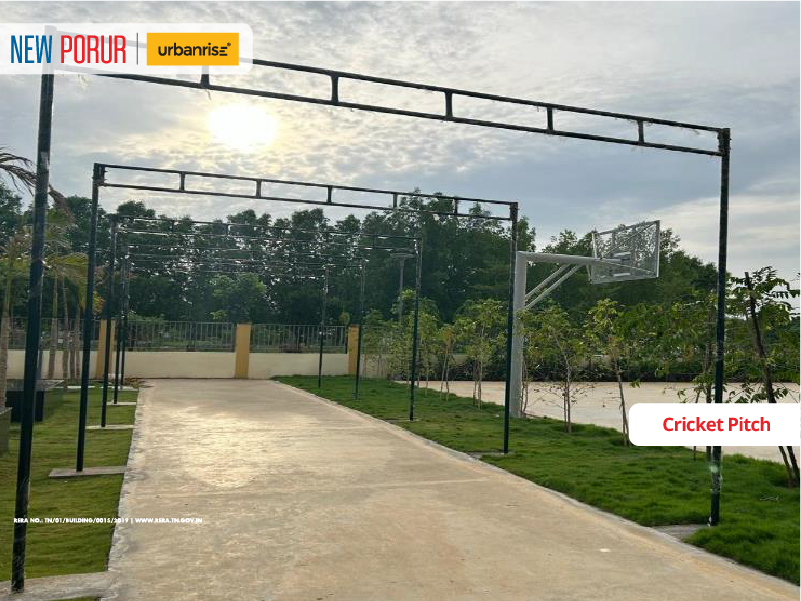
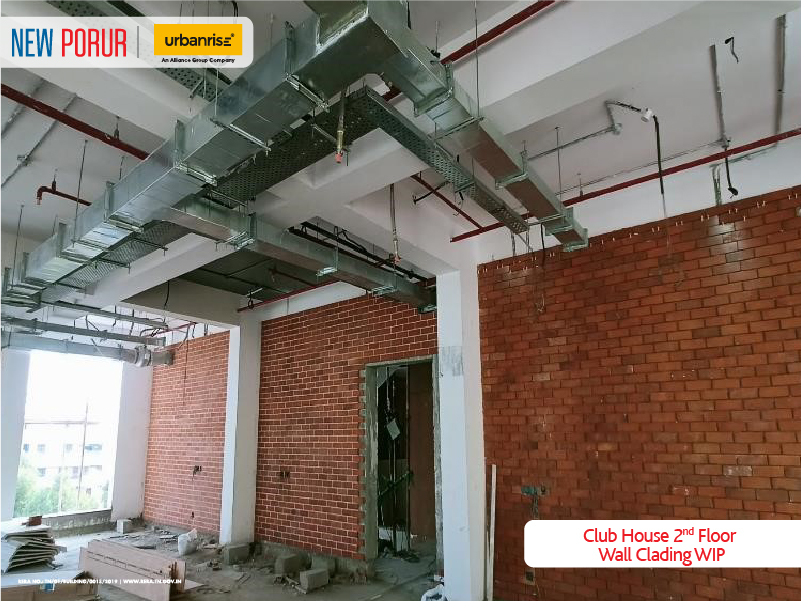
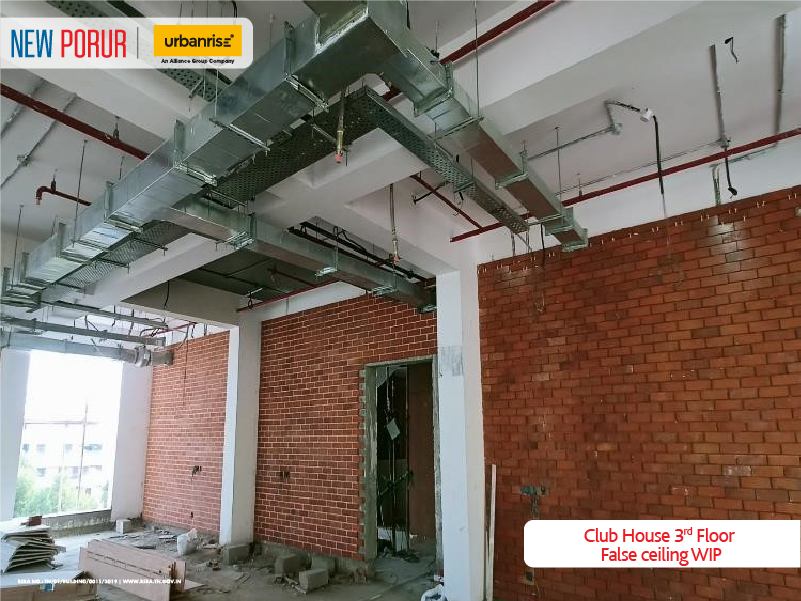
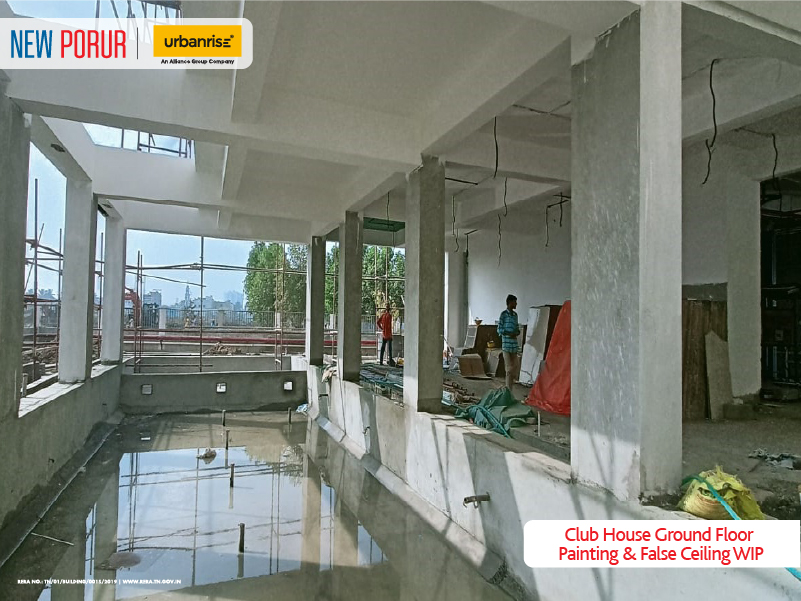
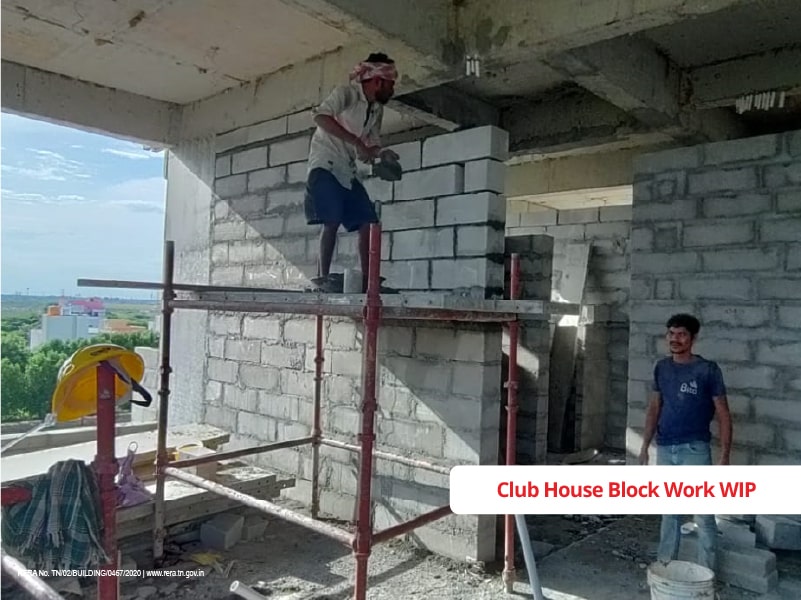
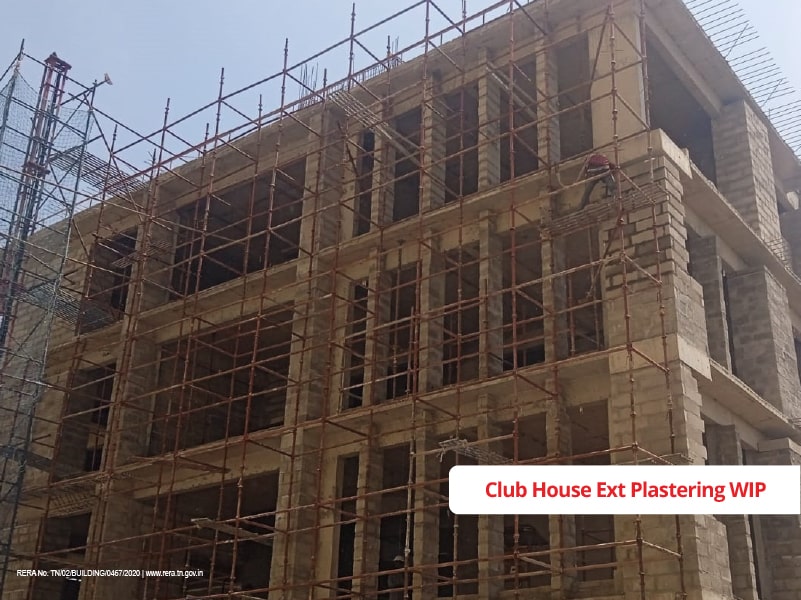
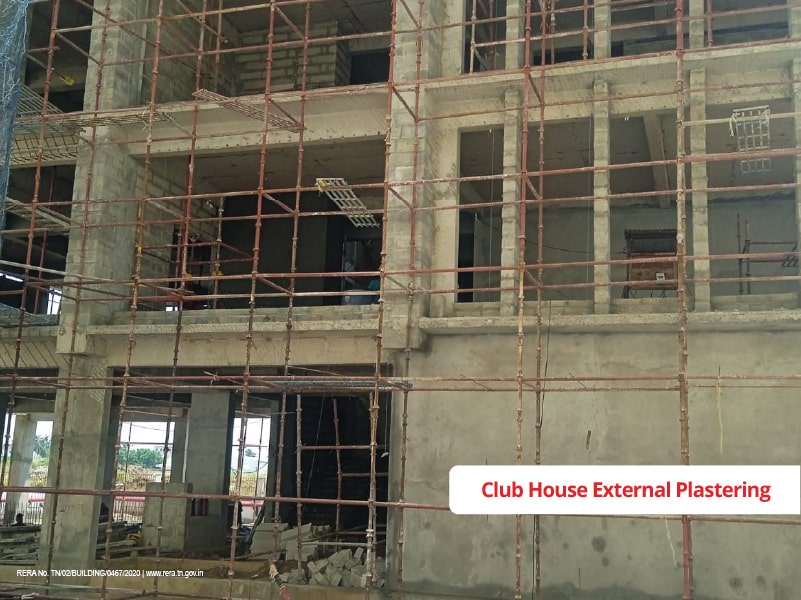
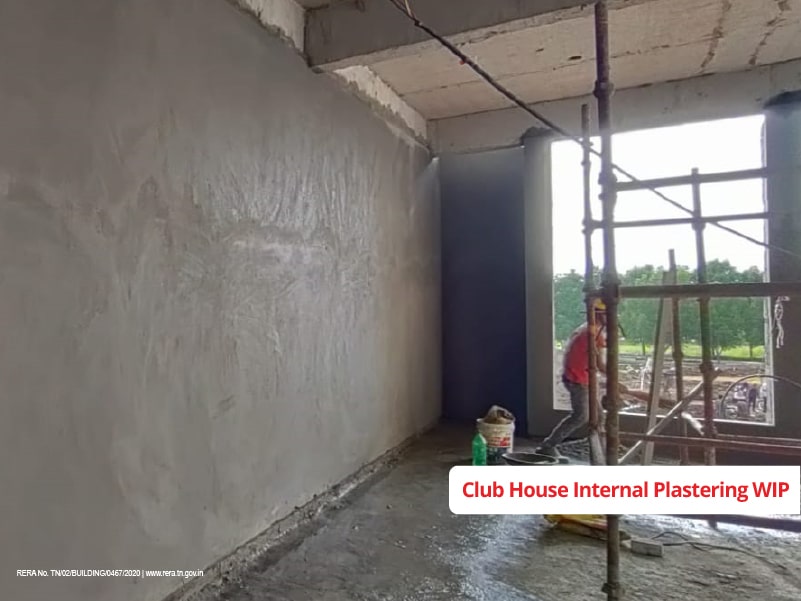
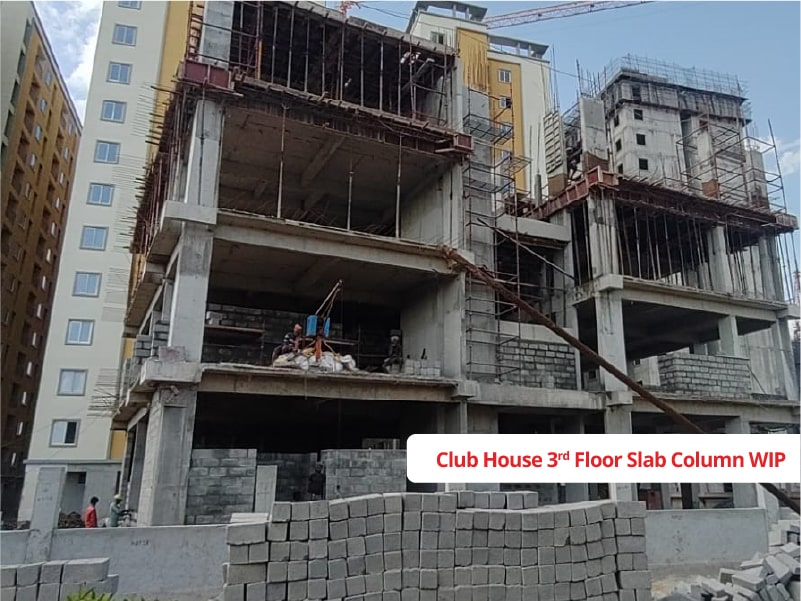
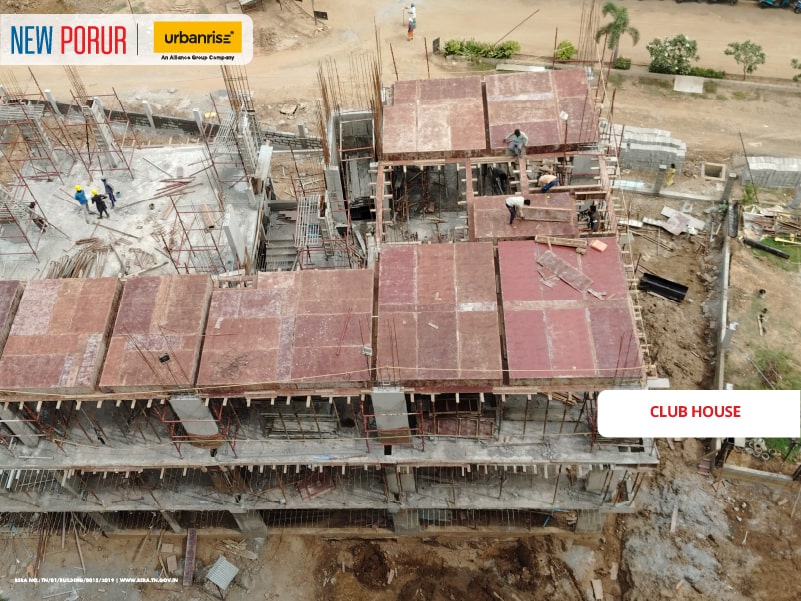
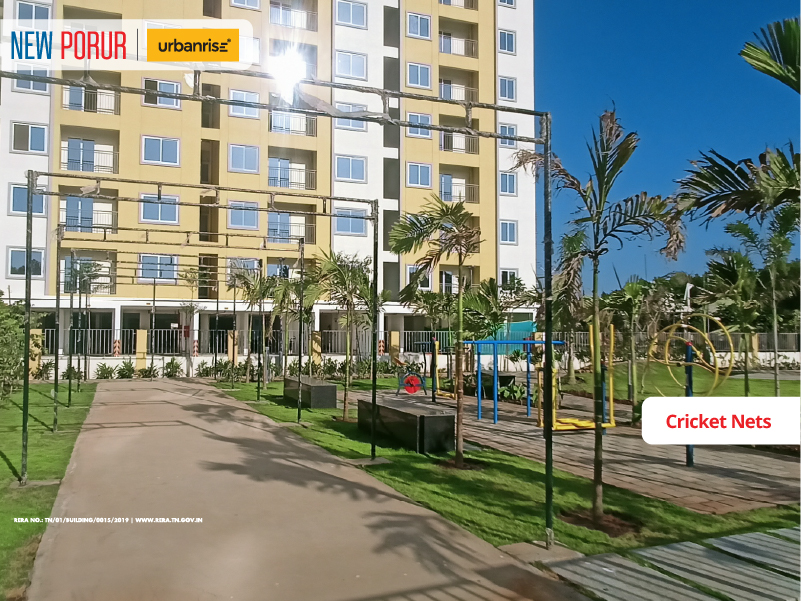
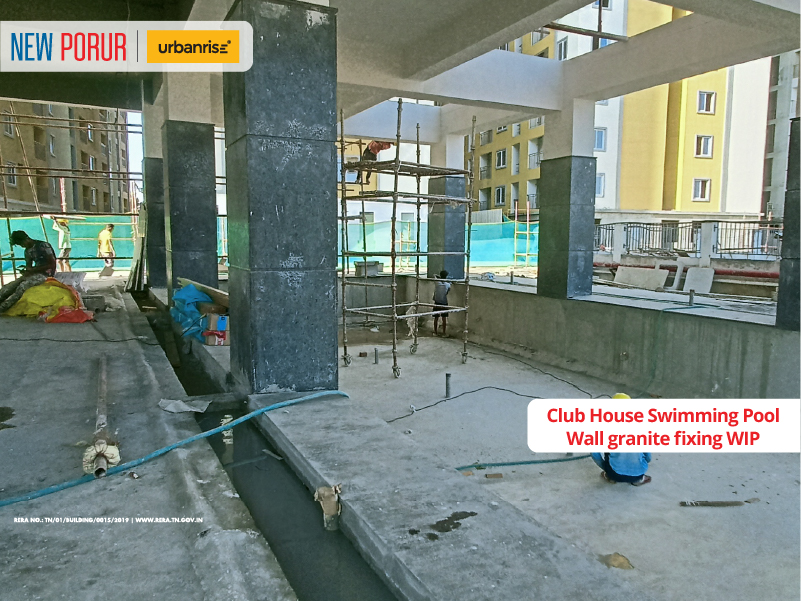
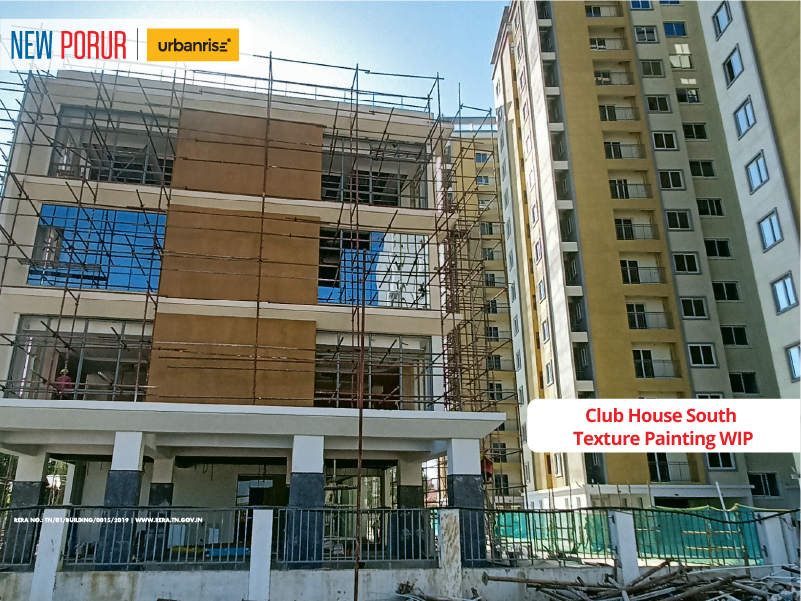
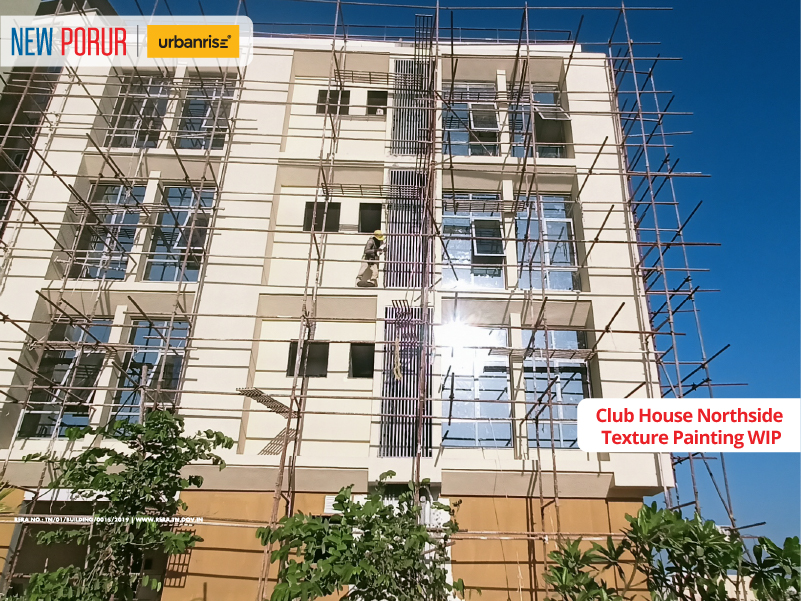
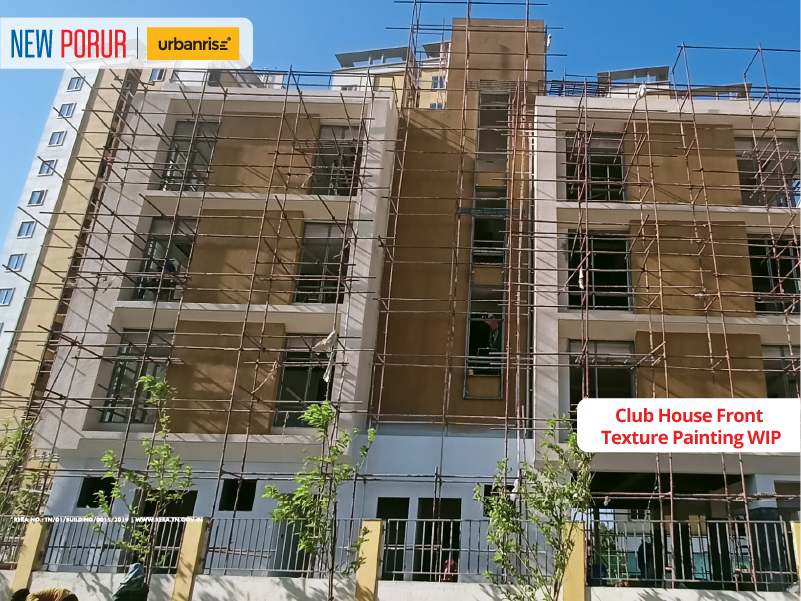
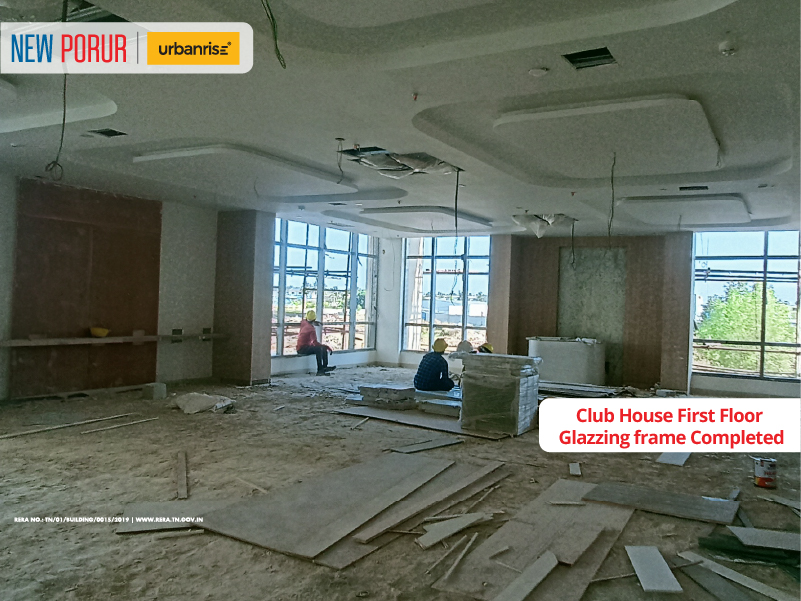
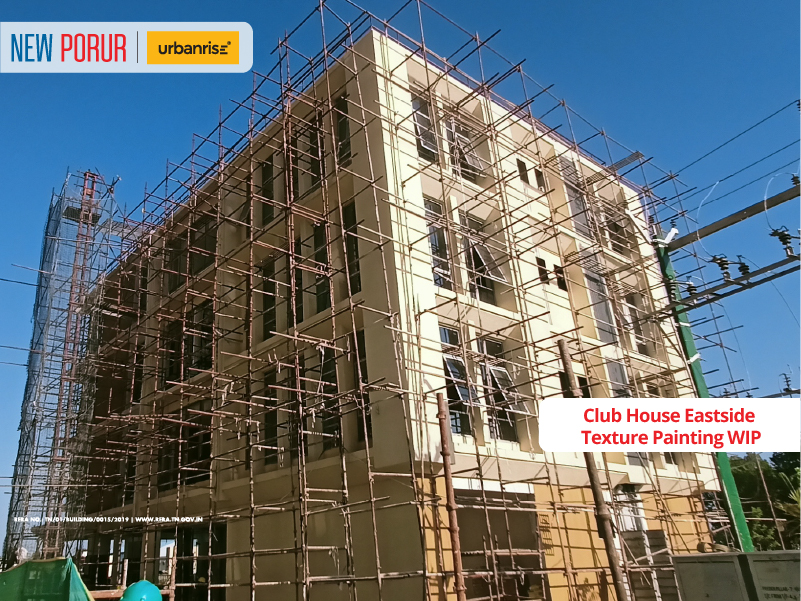
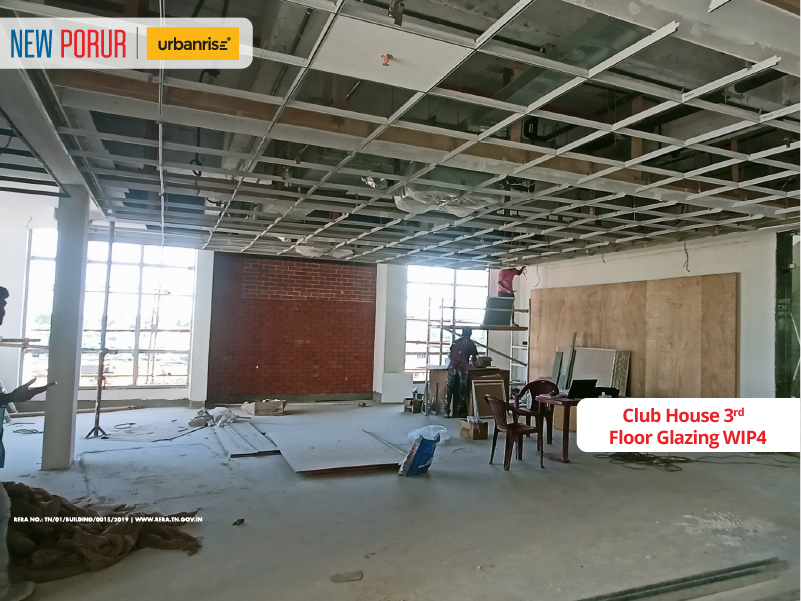
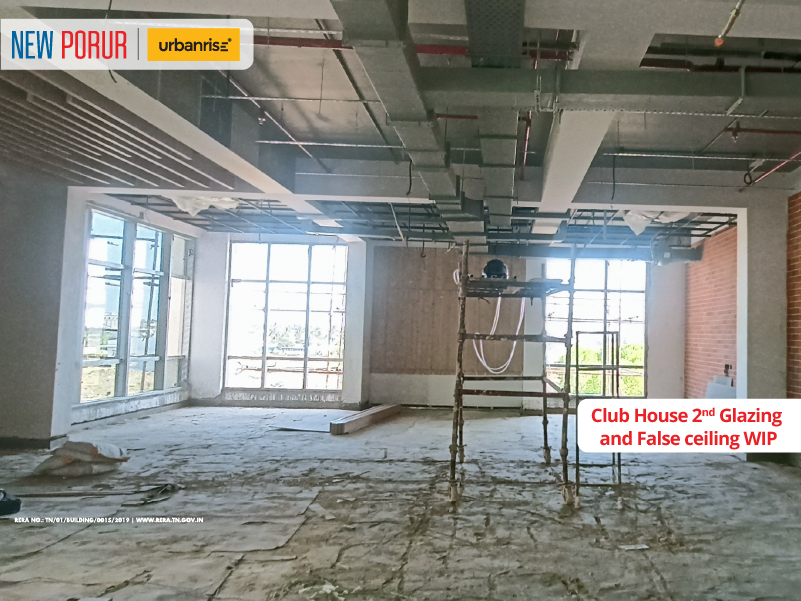
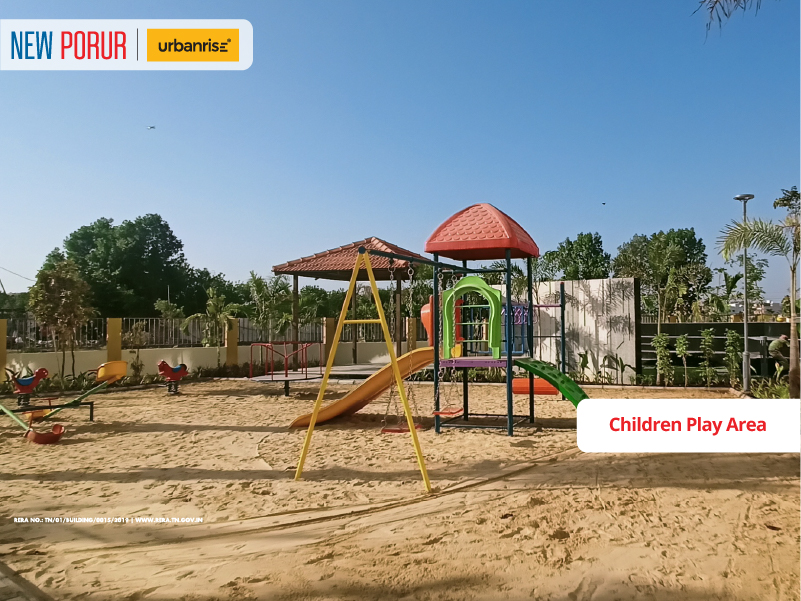
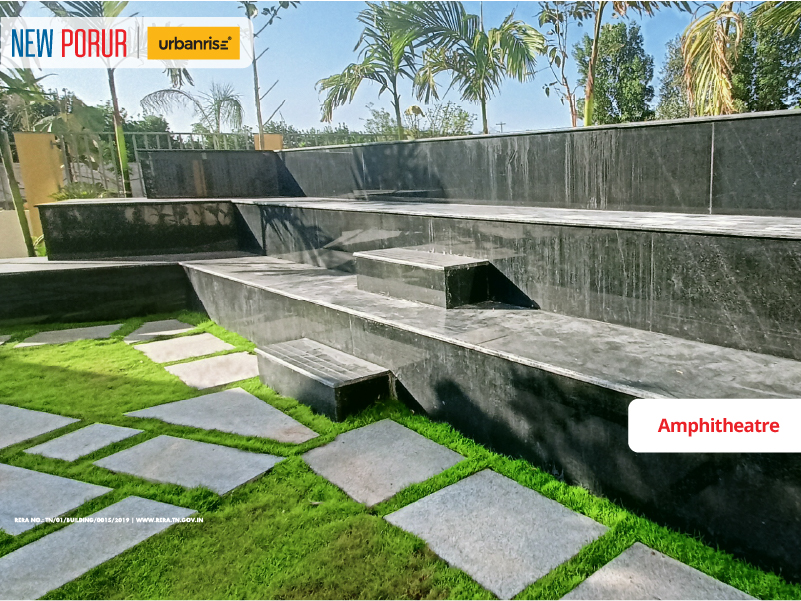
Integrated Community Infrastructure – A 15,000 sq. ft. clubhouse, plethora of amenities, and a retail arcade create a self-sustained living environment, reducing reliance on external infrastructure.
-
Education Within the Community – The presence of a CBSE school and the Urbanrise Genius learning centre reflects a growing preference for integrated educational ecosystems within residential developments.
-
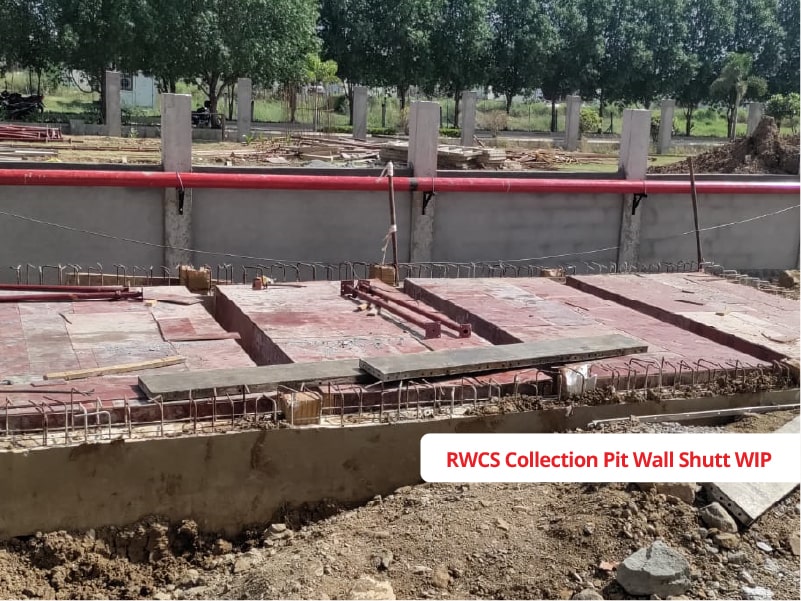
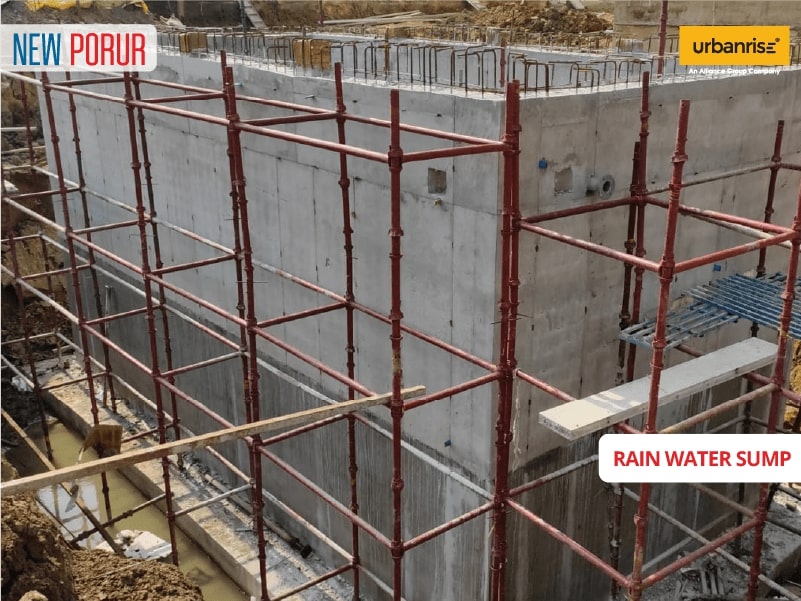
Sustainability-Focused Design – Features such as rainwater harvesting, water recycling, and energy-efficient planning align with the needs of future urban expansion.
-
Emerging Social Ecosystem – Proximity to schools, healthcare, and daily conveniences indicates that the surrounding area is steadily developing alongside the project.
City of Joy highlights combines location advantage with structured development, making it a clear example of how future-ready real estate destinations take shape.
Why Early Investment Matters
For buyers and investors, entering at this stage offers clear advantages. Pricing in these growing and future-ready locations is relatively accessible, and there is greater choice in terms of projects and inventory. As development progresses, demand strengthens and property values respond accordingly.
Projects like City of Joy in Thirumazhisai stand out due to its connectivity, employment access, and ongoing infrastructure development. They offer aspiring buyers with residential options within a developing and structured environment.
For those evaluating an apartment in a developing locality or a prime location flat in Chennai, focusing on such future-ready areas provides both practical benefits and long term value.